What Every Hoover Homeowner Should Know About Fire Ants in a New-Build Yard
Posted by Mosquito Squad Plus
July 6, 2026
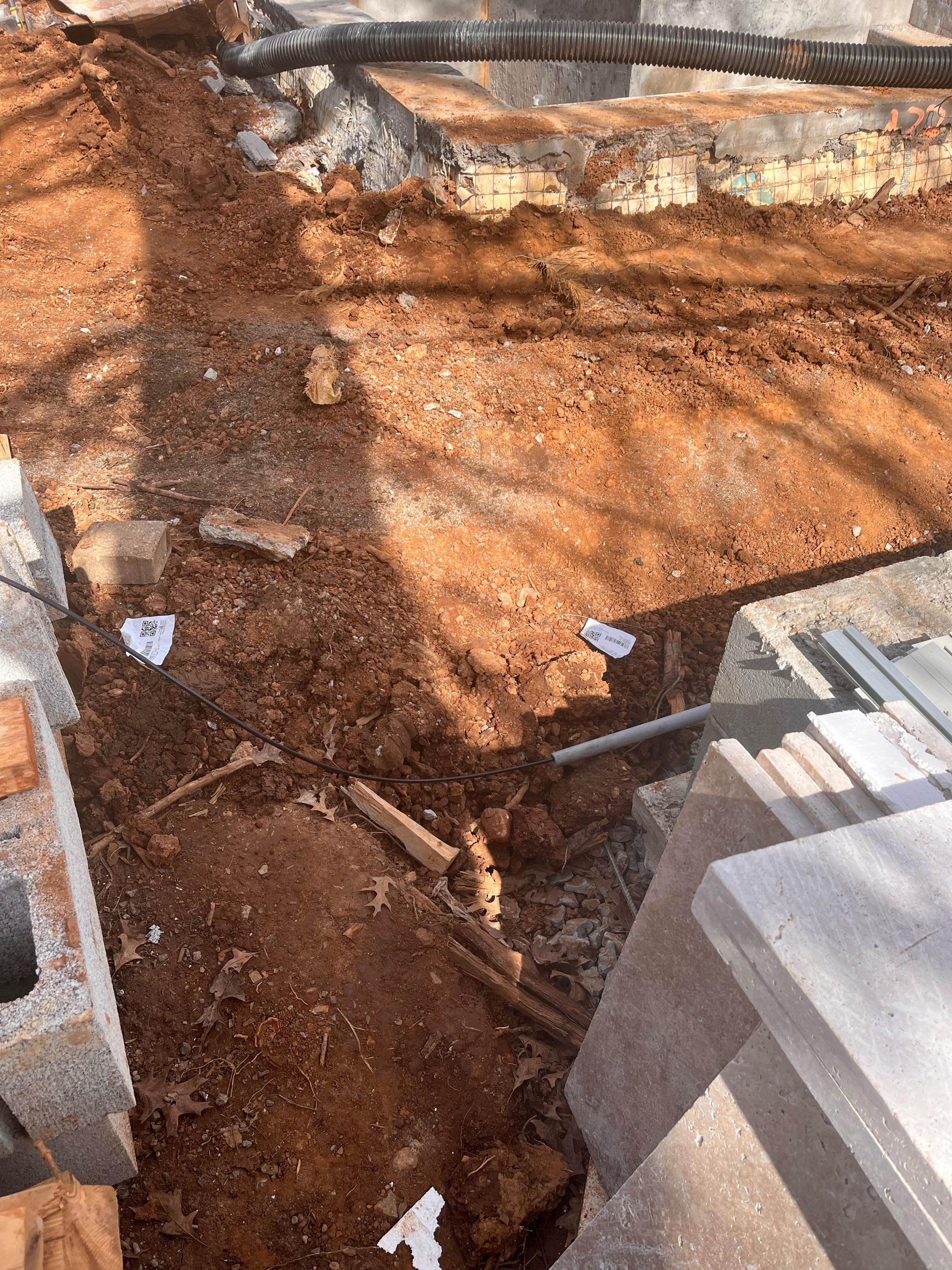
The first summer in a new Hoover house usually comes with a fire ant surprise. The sod went down green and clean in the spring, the closing paperwork is barely cold, and by July there are hard little mounds pushing up along the driveway and out in the middle of a lawn that is only a few months old. People assume a brand-new yard should be a blank slate. Fire ant control in Hoover tells a different story, because the newest yards in town are often the ones fighting the hardest.
That runs against what most homeowners expect. You would think an established old lot with decades of buildup would be the fire ant magnet and the fresh subdivision would be clean. It works the other way around. The neighborhoods going up around Ross Bridge, Trace Crossings, Lake Cyrus, and The Preserve are close to a textbook case of how these ants get a foothold.
Why New Hoover Yards Get Hit First
Fire ants are not native here. They came into the country through the Port of Mobile, most likely in soil used as ballast in cargo ships, with the black species arriving around 1918 and the red species showing up in the late 1930s. That is a straight line from the Alabama coast to your backyard, and it means this state has lived with them longer than almost anywhere else in the country. According to USDA inspectors who track the spread, the whole state sits inside the federal imported fire ant quarantine, which is why moving soil, sod, and nursery stock out of the area is regulated in the first place.
The part that matters for a new build is how they get there. Fire ants spread short distances on their own, but the long jumps happen when people move dirt. Sod, fill dirt, potting media, nursery stock, and the equipment that hauls all of it are the classic ways a colony travels to fresh ground. A master-planned Hoover subdivision is essentially a giant dirt-moving operation. Lots get graded, fill gets trucked in, sod gets rolled out by the pallet, and landscape material arrives from all over. Every one of those steps is a chance for a queen or a piece of a colony to ride in and set up shop before you ever get the keys.
The quarantine is the reason there are rules around all that movement in the first place. Sod farms and nursery growers inside the regulated area have to meet treatment and certification requirements before their product can leave, precisely because untreated sod and soil are such reliable fire ant carriers. That system does a lot of good, but it is aimed at slowing the spread between regions, not at guaranteeing the specific pallet of sod on your specific lot came in clean. By the time the grass is down and the sprinklers are running, whatever rode in with it is already your yard's problem, and the practical answer is treatment, not paperwork.
Then there is the ground itself. Fire ants want open, sunny, disturbed soil, and a new subdivision is nothing but open, sunny, disturbed soil. The state extension entomologists at Auburn note that mounds concentrate in exactly these conditions, the cleared and graded areas near new roads and construction. An older neighborhood over in Bluff Park or on the Vestavia side has tree canopy, shade, and settled ground working against the ants. A first-summer lawn in a new Hoover section has none of that. It is sunny wall to wall, the soil was turned over a few months ago, and the grass has not knitted into the kind of dense turf that makes life a little harder for a colony.
The Mounds You See and the Ones You Do Not
Most people picture a fire ant problem as a few obvious dirt domes. On a freshly sodded Hoover lawn, the picture is trickier, and it fools a lot of new homeowners into thinking they have less of a problem than they do.
Mounds in mowed turfgrass tend to stay low and flat. Every time the mower runs over the raised part, it knocks the top off, so the colony below can be large and active without ever building the tall cone you would notice in an unmowed field. Wildlife researchers documenting fire ant nests point out that a mound in regularly cut grass is often only a couple of inches tall even when the colony underneath is thriving. So the new homeowner mows all summer, sees nothing dramatic, and assumes the yard is fine, while three or four colonies are quietly established under the blades.
You find out the truth by accident. A kid runs barefoot across the lawn and comes back crying. Somebody kneels down to pull a weed near the mailbox and puts a hand right on a colony. The dog starts favoring a paw after being let out. Fire ants do not bother you until something disturbs the nest, and then a whole crew comes out at once and stings in a coordinated rush, because that is how they defend the queen. The sting leaves the little white pustule that anybody in Alabama can recognize a day later. For a small child or someone with a sting allergy, that coordinated swarm is more than a nuisance, and it is the reason a new-build family cannot really shrug this one off.
The Problem You Really Do Not Want: Boxes and Wiring
There is a version of a fire ant problem that goes past the lawn and into the equipment, and new Hoover builds are unusually exposed to it. Fire ants are drawn to the warmth and shelter of enclosed housings, and they will nest inside outdoor electrical boxes, irrigation valve boxes, transformer pads, and the housings around AC units and utility meters. Extension entomologists have documented colonies moving soil into these structures, chewing insulation, and causing shorts and corrosion.
Walk a new subdivision and count how much of that hardware is sitting right at ground level, freshly installed and surrounded by fresh sod. Irrigation control boxes flush with the lawn, low-voltage landscape lighting transformers, the AC disconnect on the side of the house, the pad-mounted utility gear along the easement. Every one of those is a warm, dry, protected cavity in the middle of exactly the open sunny ground fire ants prefer. A colony that moves into an irrigation box or an AC disconnect can short out the equipment, and getting them out of a sealed housing is a lot harder than keeping them from moving in. A whole-yard treatment plan is built to head that off before it starts.
Why the Store-Bought Approach Keeps Failing
Nearly every new Hoover homeowner tries the hardware-store route first, and there is nothing wrong with wanting to. The problem is that the two most common do-it-yourself moves are the two least effective.
The first is kicking the top off a mound or flooding it with a hose. All that does is tell the colony its current spot is compromised, so it relocates a few feet over and rebuilds, often within a day. You have not killed anything. You have just moved the problem and made yourself feel briefly productive. The second is drenching one visible mound with a liquid killer. That can wipe out that one mound, but it does nothing about the colonies you cannot see, and on a new lawn with low mowed mounds, the ones you cannot see are usually most of them.
There is a deeper reason single-mound treatment struggles here. Many fire ant colonies in this region have multiple queens, not just one. Knock out a mound and miss even one queen, or leave the neighboring colonies untouched, and the yard repopulates.
Worse, disturbing a multi-queen nest can trigger what the state extension researchers call budding, where some of the queens and workers simply split off and start a fresh colony a short distance away. So the homeowner who spends a Saturday stomping and flooding mounds can actually end the day with more colonies than they started with, just spread out and harder to find. To actually reduce the pressure you have to treat the whole yard as one connected system and get the bait into the colonies through their own foraging, rather than fighting them one dirt pile at a time.
What Actually Works on a Hoover Lawn
The approach the land-grant extension services have recommended for years is a two-step method, and it is the backbone of how we handle fire ants in a yard like this. Step one is broadcasting a bait across the entire lawn. The workers carry it back underground and feed it through the colony, including to the queens, which is the only way you reach the part of the nest that actually matters. Step two is following up on any stubborn nuisance mounds directly. Done right, that combination knocks colony numbers down by around 90 percent, which is a different world than chasing mounds with a hose.
Timing matters more than people think. Broadcast baiting works best from mid-spring through early fall, roughly April into October, while the ants are actively foraging and willing to carry the bait home. That window lines up almost exactly with the Hoover outdoor season, so the months you most want the yard usable are the months treatment is most effective. Getting ahead of it in spring, before a new colony has a chance to mature and split, is far easier than trying to claw a heavily infested lawn back in the heat of July.
This is the thinking behind our Yard Defender program, which is built around exactly this kind of whole-yard fire ant control rather than spot-treating what you happen to notice. For families who want the fuller picture, our Complete Home & Yard package folds fire ant work in with tick, flea, and mosquito coverage from the roofline to the back fence, which suits a lot of the newer Hoover lots that back up to wooded edges where tick control also comes into play. Either way, the honest version of pricing is that we quote it after we walk the property. There is no long-term contract, and every treatment is backed by a satisfaction guarantee.
One more thing worth knowing, since it explains a pattern new homeowners notice. Fire ants get more visible right after rain. A heavy Alabama downpour pushes the colony up and out looking for higher, drier ground, and suddenly mounds appear overnight where the lawn looked clean the day before.
Rain does something else too. Fire ant mating flights, the events that start brand-new colonies, tend to happen in warm weather in the days after a good rain, especially when a wet spell breaks a dry stretch. That is when winged queens leave established nests, mate, drop to the ground, and go looking for fresh, open soil to start digging. A new Hoover lawn on the edge of a still-developing section is prime landing territory for exactly those young queens. If you want the full explanation of the after-rain pattern, we wrote about why ants show up after rain separately, but the short version is that a wet week is often when a quiet fire ant problem announces itself, and sometimes when the next one begins.
When to Call Somebody
If it is your first spring in a new Hoover build, that is the time to get ahead of this, not after the mounds are everywhere. If you are already seeing activity along the driveway edges, around the mailbox post, or out in the open stretches of lawn, the colonies are established and a broadcast approach will do far more than another trip to the hardware store. And if you have kids or pets who live in that backyard all summer, a low, mowed-over mound you cannot easily see is exactly the kind of thing worth having a professional look for before somebody finds it the hard way.
We are a veteran-owned family business, and we have been treating yards across Greater Birmingham since 2018. We know how these Hoover subdivisions are built, what the first-summer lawns do, and when the fire ant pressure tends to turn. If you want general ant control beyond fire ants, we handle that too, since a new build often brings a few uninvited species at once.
Serving Hoover and the surrounding communities including Alabaster, Pelham, and Helena, we are ready when you are. Call (205) 900-3528 or request a free quote and we will come walk the property.