Old River, New Homes, Same Mosquitoes on Trussville's Cahaba
Posted by Mosquito Squad Plus
June 22, 2026
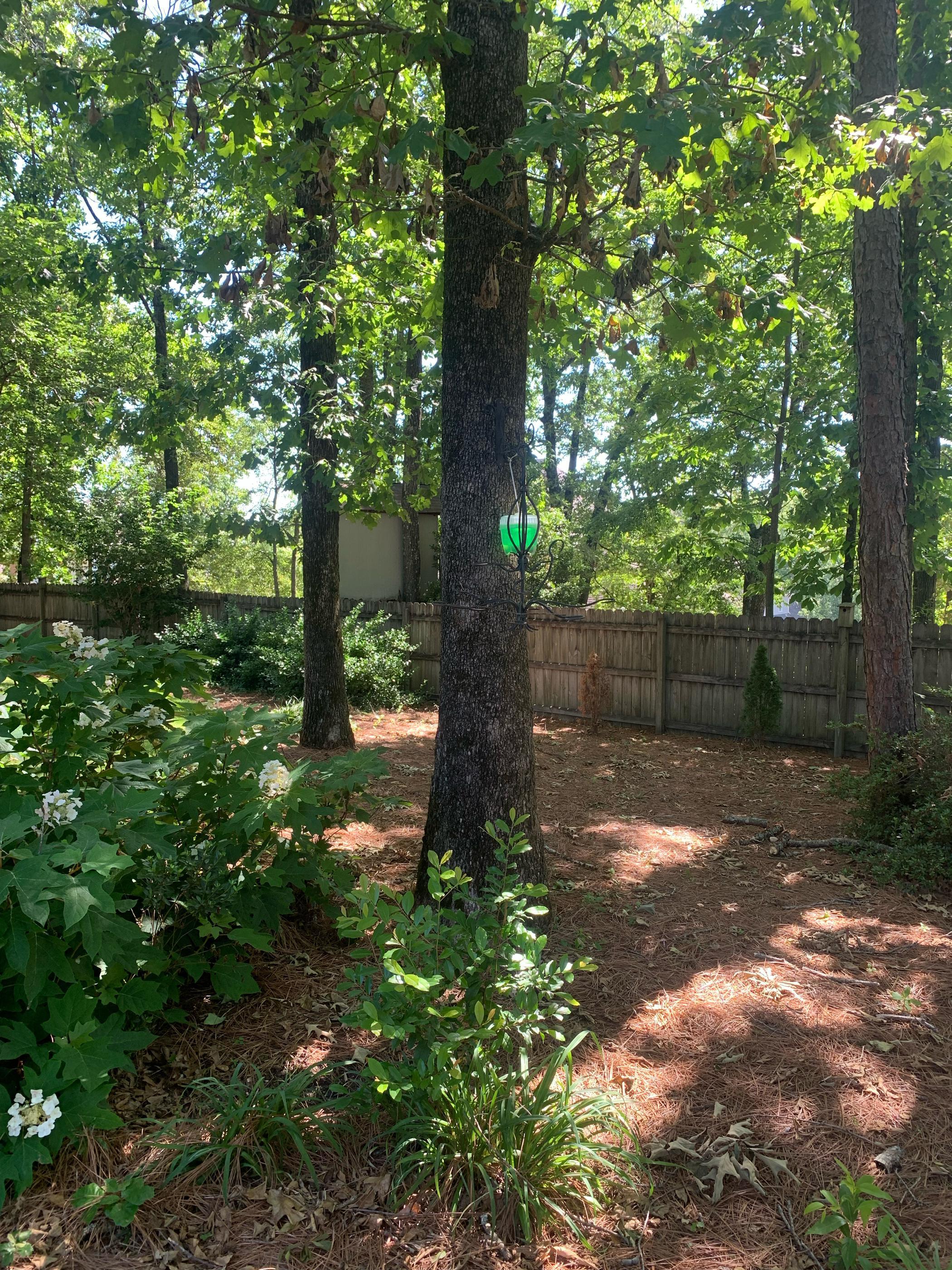
Anybody who lives near Civitan Park knows the pattern. It rains hard in the spring, the Cahaba comes up over the low ground, and then it just sits there. The river takes its time going back down, and for days afterward the wet spots along the floodplain are doing the one thing standing water always does. They breed mosquitoes. That has been true in Trussville for as long as there has been a Trussville, and no amount of new construction up on the hills has changed it.
What has changed is how many people live next to it. Trussville grew more than 500 percent between 1980 and 2010, and the building still has not slowed down, new homes at Trussville Springs right along the river, at Hillbrook off Husky Parkway, and a planned development on the Riggins property that would add a park with three more lakes. Warren Truss dammed this river for a grist mill back in the 1820s and the town grew up around the water. Two hundred years later the water is still here, the mosquitoes are still here, and now there are just a lot more backyards inside reach of them. If you own a home here, what mosquito and pest control in Trussville actually requires starts with one fact: the water that made this town is the same water that makes the mosquito season.
The River Is the Whole Story
Most pest companies that come into Trussville treat it like any other Birmingham suburb. Spray the yard, hand you a card, see you next month. That misses the single most important fact about this place. The Cahaba is the longest free-flowing river in Alabama, 194 miles of it, and the Cahaba River Society documents it as one of the most biologically diverse rivers in North America. Trussville sits up near the top of the watershed where the river is younger and slower and spreads out across a wide floodplain before it gathers speed downstream.
A slow river on a wide floodplain is a mosquito factory. The water pools in the low spots along the banks, sits in the backwater channels behind the main current, and lingers in the wet ground of the floodplain long after the river level drops. The U.S. Geological Survey gauge on the Cahaba at Trussville tracks how the river rises and falls through the year, and anyone who has lived near the park knows the pattern without needing the numbers. The river comes up after a spring rain, spreads into the low ground, and then takes its time going back down. Every one of those days is a day the standing water along the floodplain is producing mosquitoes.
This is not the new-construction story you hear about in the fast-growing parts of Shelby County, where the drainage that holds water came in with the bulldozers. Over in Chelsea, the growth itself created the mosquito pressure through engineered stormwater systems and graded fill. Trussville is the opposite. The water here predates every house in town by ten thousand years. The Cahaba was breeding mosquitoes on this floodplain when the only structure for miles was Warren Truss's mill. The new homes did not start the problem. They just put more families inside dispersal range of it.
Why Trussville's Mosquito Season Starts Before You Notice It
Mosquito season in greater Birmingham does not wait for summer. It does not even wait for the weather to feel like spring. The Alabama State Climatologist at the University of Alabama in Huntsville documents Alabama as one of the wettest states in the Southeast, with rain spread across every month of the year and no true dry season. Birmingham pulls in more than 50 inches of rain a year, and a lot of it falls in the late winter and early spring when nobody is thinking about bugs yet.
On the Cahaba floodplain, that early rain matters more than it does on higher ground. The river is already carrying winter runoff, the floodplain soil is already saturated, and the first warm stretch of late February or early March is all it takes. The Asian tiger mosquito that the Alabama Cooperative Extension System calls the dominant pest species across suburban Alabama can go from egg to biting adult in under a week when conditions are right. Along the river in Trussville, those conditions show up earlier than they do almost anywhere else in the metro.
That is the trap. By the time most Trussville homeowners notice mosquitoes in late April or May, the population has already run two or three breeding cycles off the floodplain. The bugs you are swatting in May are the grandchildren of the ones that hatched along the Cahaba in March. Starting a treatment program in May means chasing a population that is already established. The homeowners who stay ahead of it start before the season feels like it has arrived. Catching the first generation costs the same as catching the fourth. The results are not close.
What the New Lakes and Ponds Add to It
The river was always here, but the new development is adding standing water of its own, and it sits closer to where people actually live. Trussville Springs is built across both sides of a river valley and includes a community lake. The proposed development on the Riggins property would add a public park with three lakes. Across the newer subdivisions there are retention ponds, ornamental ponds, drainage features, and the low wet corners that show up in almost every graded lot.
None of that is a problem on its own. A lake is not a mosquito source if the water is deep, moving, and stocked with fish that eat larvae. The trouble is the edges. The CDC points to the shallow, weedy, still margins of ponds and lakes as prime breeding habitat, not the open deep water. A new community lake with a clean aerated center can still be ringed with shallow vegetated edges where the water sits flat and warm. That is where the eggs go.
The same goes for the smaller stuff. A retention pond designed to hold stormwater for a few days after a rain is, from a mosquito's point of view, a temporary pond that refills on schedule all season. It does not take much. The CDC has documented that mosquitoes can complete their whole life cycle in a surprisingly small amount of standing water, less time than most of these features hold it. So while the Cahaba floodplain is the engine of Trussville's mosquito season, the new lakes and ponds are extending the range. They put breeding sites in the middle of neighborhoods that sit up off the river, in subdivisions where homeowners assume they are too far from the water to have a problem. They are not.
The Bug That Came With the River, and the One That Came With the Lots
Two pests define a Trussville yard, and they come from two different places. The mosquito comes off the water. The fire ant comes out of the disturbed ground.
The fire ant is the second half of the Trussville story precisely because of all the construction. Fire ants love disturbed soil. Freshly graded lots, new sod, the loose earth around a just-finished foundation, and the sunny open ground of a new subdivision are exactly the conditions they colonize fastest. The Alabama Cooperative Extension System ranks the imported fire ant among the state's most persistent and aggressive yard pests, and the building boom across Trussville has handed them an enormous amount of fresh territory. The same Hewitt-Trussville sports complexes, ballfields, and new neighborhood greenways that make this a great place for families are also wide-open, sunny, recently worked ground, which is to say everything a fire ant colony wants.
So the mosquito follows the river and the fire ant follows the bulldozer, and a Trussville homeowner ends up dealing with both. The mound you find while mowing in May is already an established colony, not a new one. The one you step on barefoot you find out about faster. A yard program that handles mosquitoes off the floodplain but ignores the fire ants coming up through the new sod is doing half the job.
Ticks Belong in the Conversation Too
Trussville is not all river and subdivision. A lot of the new growth pushes right up against wooded hillside, and where lawn meets woods you have tick habitat. The Cahaba corridor itself is a green ribbon running through town, and deer move along it the way they move along every wooded waterway in Jefferson County. Deer move, and ticks move with them.
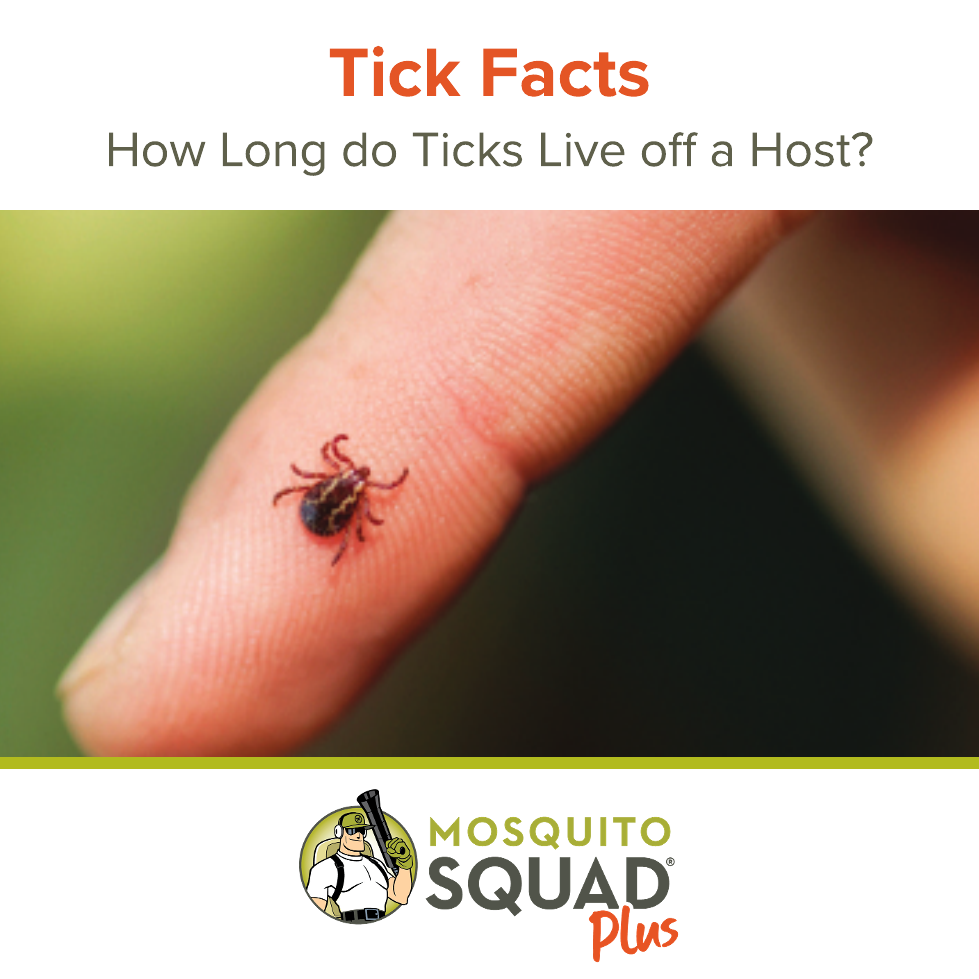
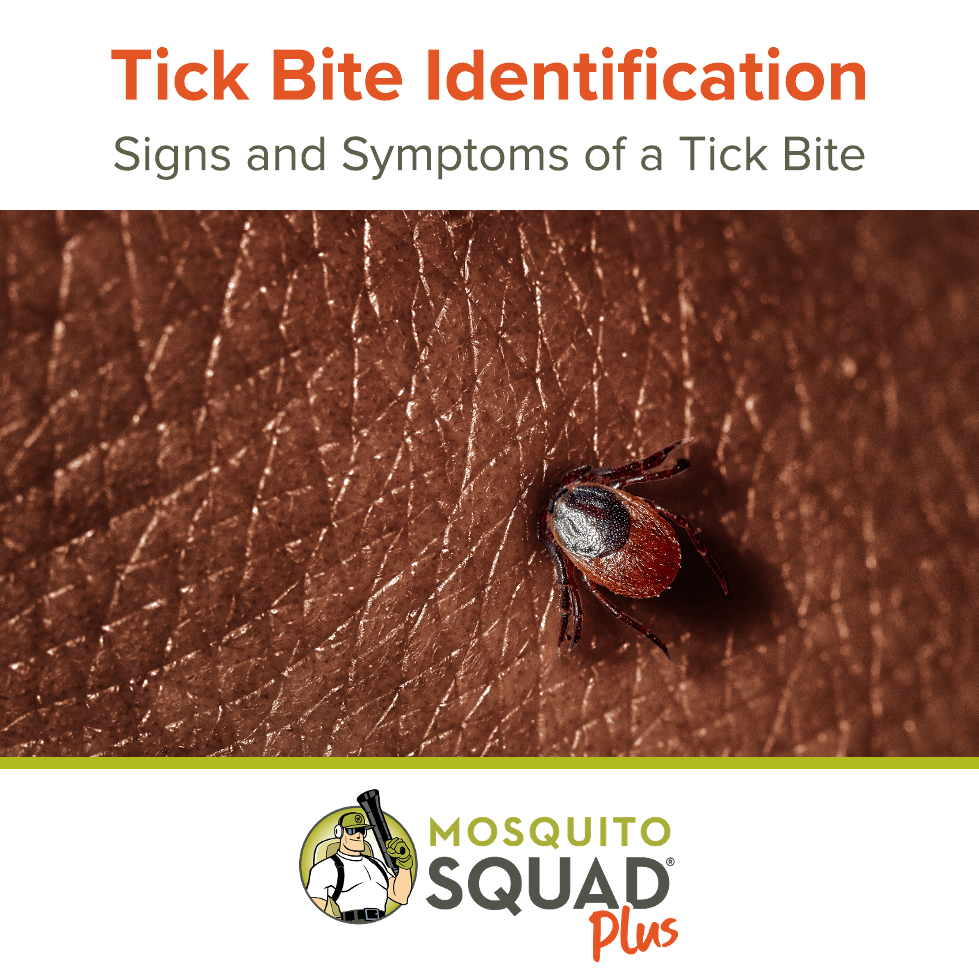
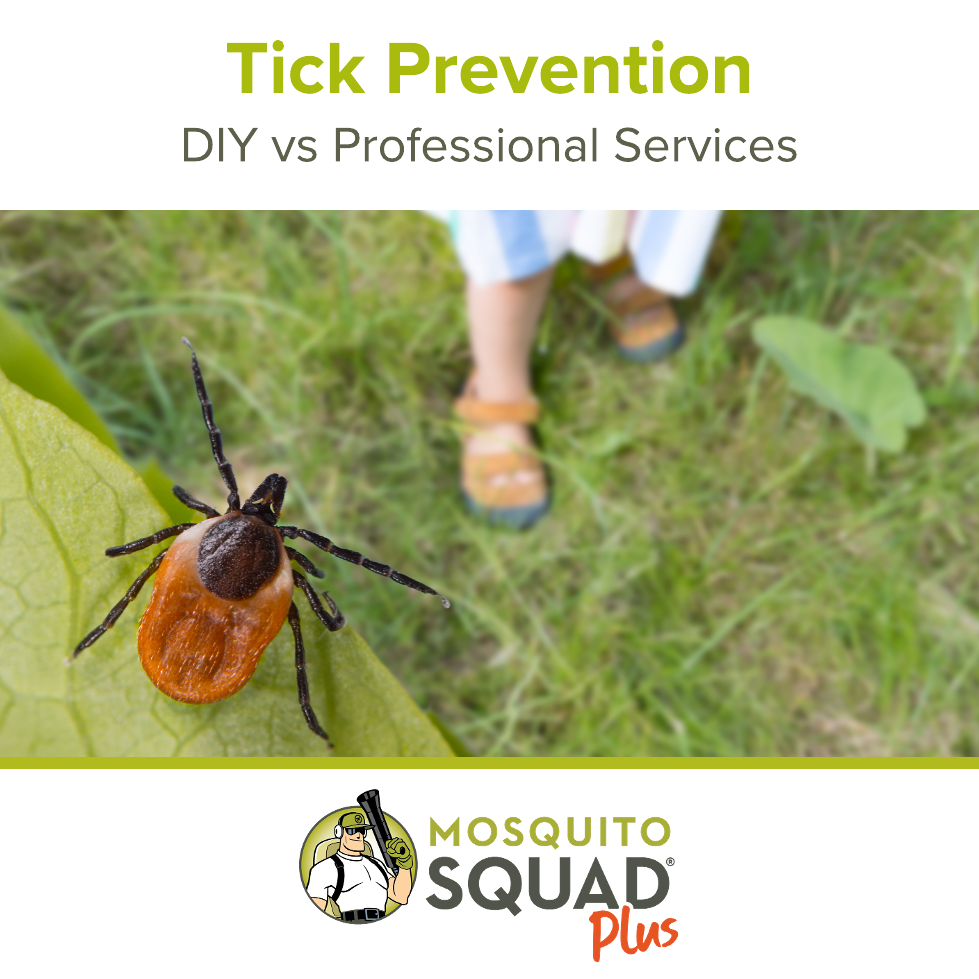
The Alabama Cooperative Extension System identifies the lone star tick as the most abundant tick in Alabama, found in shaded, humid areas with leaf litter under a canopy. That describes the wooded edges along the Cahaba and the back property lines of the newer Trussville subdivisions that back up to the tree line. The lone star tick does not sit and wait. It moves toward a host. It is the species associated with alpha-gal syndrome, the condition that can leave a person unable to eat red meat after a single bite. That is not a minor footnote for a town where so many yards share a fence line with the woods.
Treating ticks on a Trussville property means working the transition zone, the strip where the mowed lawn gives way to the wooded edge or the creek buffer. Treating the open lawn alone covers where the people are, not where the ticks are. The 6 C's of tick control lay out how to think about it, and the short version is that the wood line is the part that matters most and the part most homeowners skip.
The Other Pests a River Town Deals With
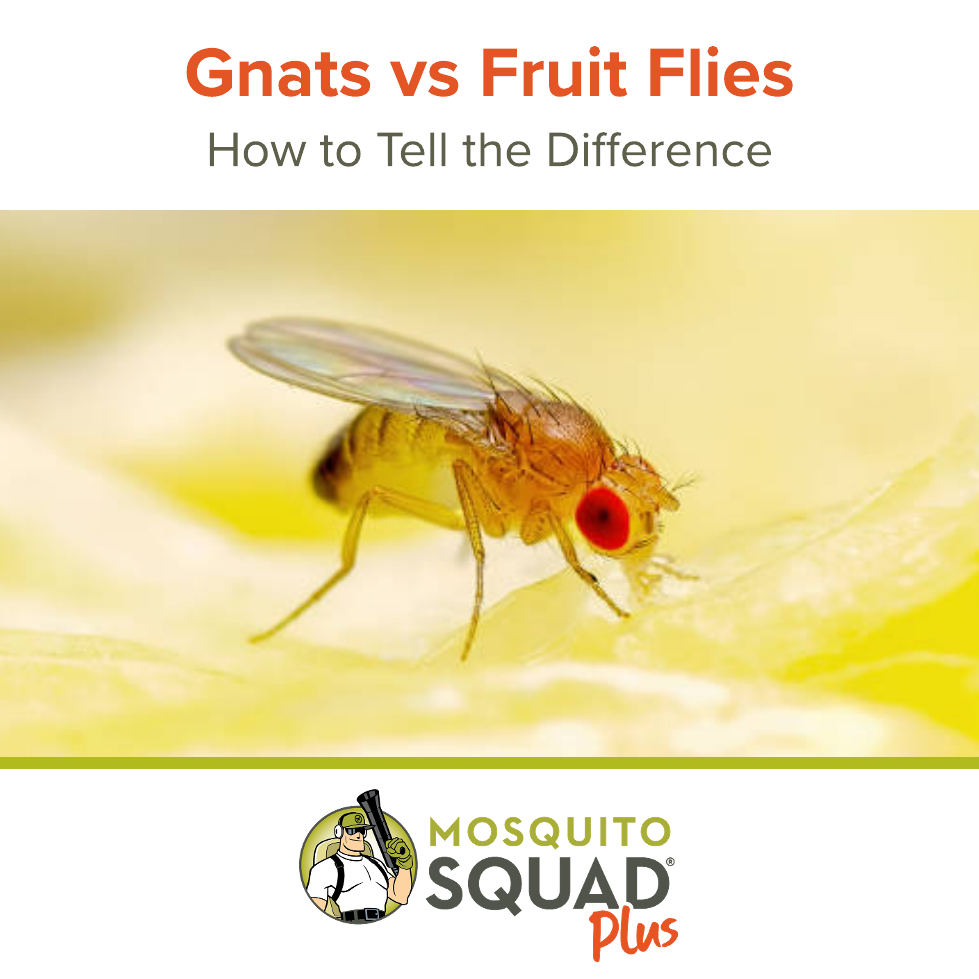
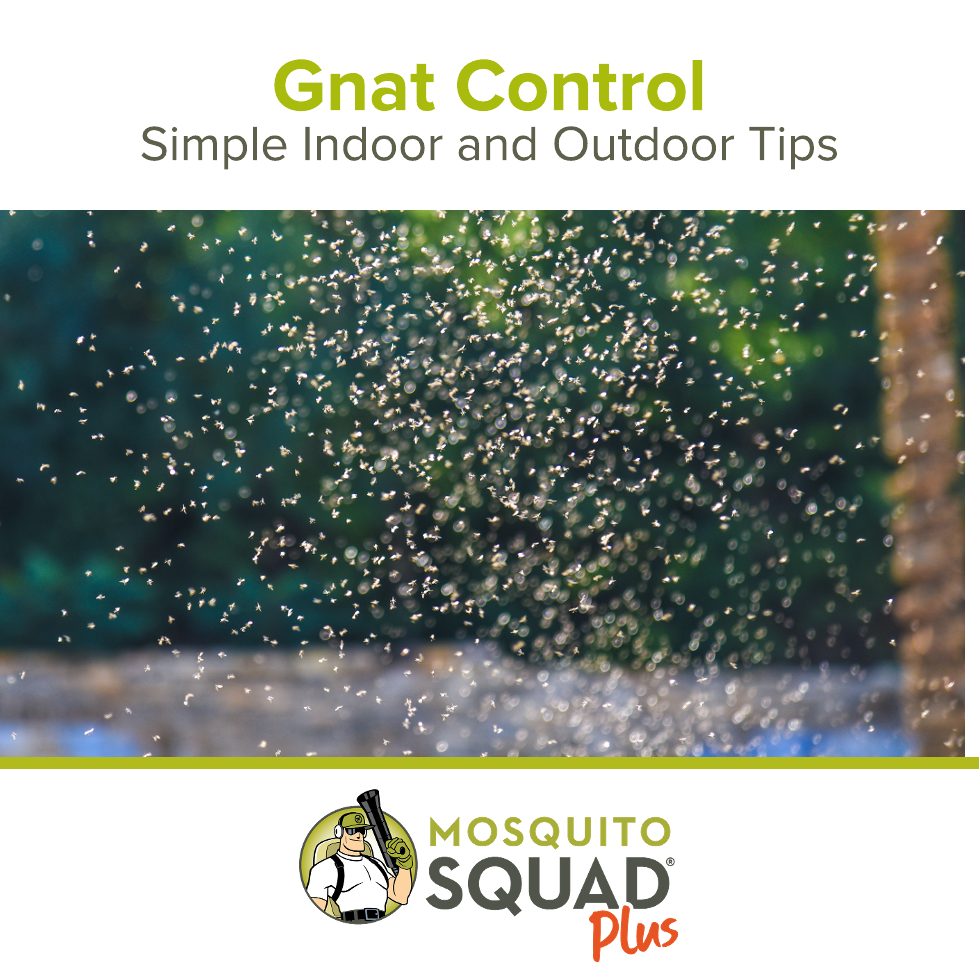
Mosquitoes, fire ants, and ticks are the headline, but a property that sits in a wet river corridor with a lot of new construction deals with more than that. Gnats and no-see-ums breed in the same damp floodplain ground the mosquitoes use, and they are small enough to slip through standard screens, which is why knocking down gnats becomes part of the picture on properties close to the river.
There is also more than one kind of ant out here. Beyond the fire ants in the yard, carpenter ants work the moisture-damaged wood that shows up in homes near a damp floodplain, and odorous house ants follow the same spring soil moisture indoors that pushes fire ants up in the yard. The ant trail across the kitchen counter in April usually started at the foundation weeks before anyone saw it.
And when the weather turns cold, the mice and rats moving in for the winter take over. They follow the same creek corridors and wooded edges into structures when temperatures drop in October and November. The home that ran a mosquito program all summer and stopped in September is the same home that calls about rodents in November. Same house, same gaps in the foundation, different season, different pest. The Cahaba corridor stays active as a wildlife highway long after mosquito season ends.
When to Start and What to Watch For
Late February through mid-March is the window in most Trussville years. Here is what tells you the season has started whether you are ready or not.
The river up after a spring rain and slow to come back down, leaving wet ground along the floodplain for days. The shallow edges of a community lake or retention pond developing a faint green tint. Low spots in your yard still holding water five days after the last rain. And the one most people miss, daytime bites in the garden or the backyard in early spring, because the Asian tiger mosquito bites during the day, and an early daytime bite means the season started without you.
A barrier treatment laid down before those signs show up is the one that changes how the whole season feels. For families who would rather go a botanical route, the essential-oil natural option runs on the same schedule. Either way, the 7 T's of mosquito control start with tipping and tossing the standing water you can control, the buckets, the toys, the clogged gutters, the saucers under the potted plants. What the 7 T's cannot fix is the floodplain itself. You cannot tip the Cahaba. That is the part a barrier program is built for.
For a property dealing with the full picture, mosquitoes off the river, fire ants out of the new sod, ticks along the wood line, and the seasonal pests that follow, year-round Home Shield coverage handles the structure and yard on a rolling schedule that shifts with what is active. Planning an outdoor wedding or party in spring or summer, a one-time event spray clears the yard before the day.
A Town Built on the Water It Has to Manage
Trussville is one of the best places to raise a family in the Birmingham area, and the river is a big part of why. The park, the greenway, the bridge, the trails along the Cahaba, that water is the heart of the town. It is also the reason the mosquito season runs early and hard here, and no amount of new construction up on the hills changes the fundamental fact that the floodplain at the center of town is doing what floodplains do.
The new homes and new lakes do not start the mosquito problem. They add to standing water that was here before any of us, and they put more families inside reach of it. Mosquito Squad of Greater Birmingham covers Trussville along with neighboring Center Point, Pinson, and Irondale across the northeast side of the metro. Our work is backed by a 100 percent satisfaction guarantee. Call us at (205) 900-3528 or get a free quote online. The Cahaba does not wait for April, and neither should you.