Birmingham Is Drenched. Here’s What That Means for Mosquito Season.
Posted by Mosquito Squad Plus
May 28, 2026
The rain came in waves. Not one storm, not one bad afternoon, but a sustained sequence of systems that rolled through Jefferson and Shelby Counties and left the kind of standing water that takes days to go anywhere. Shades Creek is running high. Lakeshore Drive flooded. The low corner of the backyard that you keep meaning to regrade has been underwater since Tuesday and shows no signs of apologizing for it.
You cleaned up what you could. You stayed off the roads when they told you to. And now the sky is clearing and the temperature is climbing back into the eighties and you are ready to get back outside. That is exactly when the mosquitoes are going to remind you the storm is not actually over yet.
Because the water is still there. Not the dramatic flooding that made the news. The half inch sitting in the plant saucer. The sag in the gutter above the garage. The soft wet corner along the fence line that has not seen full sun since last week. That is where mosquito season just got reset, and it happened while you were watching the creek.
What Makes Birmingham's Rain Problem Different From Most Cities
If you have read our piece on how Red Mountain divides the Birmingham pest control market, you already know that this city is not one uniform environment. The drainage on the south side of Red Mountain is a completely different animal from the drainage in Jones Valley. And after a week of sustained rainfall, that difference matters more than it does on a normal Tuesday in July.
Shades Creek runs 55.8 miles and it does not play favorites. Every over-the-mountain community sits on its drainage in one way or another, and after a multi-day rain event that drops four or five inches across Jefferson County, the whole corridor feels it. The limestone and clay geology on the south side of Red Mountain holds water differently than the limestone bedrock in Jones Valley, and the residential neighborhoods that sit above Shades Creek and its tributaries feel that retained moisture in their yards for days after the rain stops. Homewood, Vestavia Hills, Mountain Brook, Hoover. All of them downstream of the same system, all of them dealing with the same slow recession after a storm like this one.
On the north side of Red Mountain, Birmingham proper sits in Jones Valley where Village Creek runs through neighborhoods that were built without much thought to what three inches of rain in two hours would do to the drainage infrastructure. The answer, as anyone who has watched the news after a heavy storm week knows, is that it floods. Village Creek backs up. Low-lying streets close. And the standing water that results is not a dramatic swamp that anyone notices. It is the shallow, warm, quiet accumulation in the low spots of residential yards that mosquitoes find within hours of the rain stopping.
The USGS streamflow data for Shades Creek near Bessemer shows what Birmingham homeowners already know from experience: this creek system rises fast after significant rainfall and the recession is measured in days, not hours. The floodplain margins stay saturated long after the creek has dropped back to normal levels, and those saturated margins sit directly adjacent to the neighborhoods where families are trying to get back outside after a difficult weather week.
Mosquito control in Birmingham has to account for that hydrology. A treatment program built around average spring conditions will underperform every time a real storm sequence moves through. Both sides of Red Mountain have their own drainage story and their own version of this problem. The yard either has coverage when the storm hits or it is starting from behind when the hatch arrives.
What the Rain Left Behind That You Cannot See From the Back Door
The flooding is visible. Lakeshore Drive underwater, Shades Creek over its banks near the greenway, the retention basin at the bottom of the subdivision running full. That is dramatic and it gets attention and it gets cleaned up.
What does not get cleaned up is the half inch of standing water in the plant saucer on the back porch. The depression in the tarp over the woodpile. The gutter that has been running slow since last fall and is now holding water in the sag above the garage. None of those look like a problem. Every one of them is a functioning mosquito nursery.
The CDC's mosquito prevention guidance has been consistent on this for years: the most productive mosquito breeding happens in small, shallow, warm containers of standing water close to where people live. Not the flooded creek. Not the retention pond down the road. The birdbath that filled up during the storm and has been sitting in the afternoon sun ever since. After a sustained rain week in Jefferson County, every one of those sources fills simultaneously and the mosquitoes get to work immediately.
Aedes aegypti and Culex quinquefasciatus, the two species responsible for most of the biting pressure in greater Birmingham, need about a half inch of standing water and warm temperatures to complete a full breeding cycle. In Alabama's spring climate, with daytime highs already pushing into the eighties before the storm even arrived, that cycle runs as fast as it possibly can. Eggs get laid within hours of the rain stopping. Larvae hatch within a day or two. By the time the yard looks normal and you are ready to enjoy the first clear evening of the week, the first generation of post-storm adults is already out there waiting for you.
The Homewood and Vestavia Hills neighborhoods that back up to Shades Creek have a specific version of this problem. The creek margins push back into the lowest yards during a high-water event, and when the creek recedes it leaves saturated soil and standing water in the transition zone between maintained lawn and creek edge that takes days to dry out. That transition zone is exactly where mosquitoes prefer to rest during the day. Shaded, humid, right there behind the fence line where nobody is thinking about mosquitoes because they are thinking about whether the creek got into the crawl space.
Mountain Brook deals with a version of this along Cahaba Road and the lower elevations near the creek, where the terrain funnels drainage from the ridge neighborhoods down toward the valley floor. The older housing stock in those areas, beautiful homes on established lots with mature canopy, holds water in the landscape beds and shaded low spots longer than newer construction on graded lots. More shade means slower evaporation. Slower evaporation means the post-storm standing water stays productive longer. The yard looks perfect. The mosquito situation is not.
Hoover and the communities along the U.S. 31 corridor south of Birmingham deal with a different but equally persistent version. The development pattern there created a lot of impervious surface that sheds water fast into whatever stormwater infrastructure exists nearby, and in some subdivisions that infrastructure handles it well. In others, water pools in detention basins, retention areas, and the low spots along subdivision boundaries where the grading never quite did what the developer planned. That water sits within flying range of every back deck in the neighborhood and nobody connects it to the mosquitoes ruining their Sunday evening.
Why the Week After the Storm Is Always the Worst Week
Most people assume the rain week is the bad week. It is not. The bad week is the one after it, when the sky finally clears and everyone wants to be outside and the mosquitoes are at peak population from the post-storm hatch. The timing feels cruel. It is also completely predictable once you understand what the storm actually set in motion.
Mosquito eggs deposited in post-storm standing water hatch within 24 to 48 hours. The larvae that emerge develop into biting adults in roughly seven to ten days under warm conditions, and Birmingham in May is about as warm as it gets for that development cycle. The American Mosquito Control Association describes mosquito populations as overlapping generational cycles running simultaneously throughout the active season. A rain event does not start a new cycle. It supercharges the existing ones and adds new ones on top of them.
The adults that were present before the storm did not disappear during it. They rested in protected spots under dense vegetation and leaf litter while the rain fell, and the moment the air stilled and the temperature climbed back up, they were back out looking for the fresh breeding habitat the storm had just so helpfully created. They had options. Plenty of them.
So the evening you step outside after the first clear day following a multi-day rain event, you are walking into a yard with the original pre-storm adult population plus the first wave of post-storm adults hatching from eggs laid in standing water during the storm itself. All of them, at the same time, on the same evening. That is why it feels so much worse than a normal bad mosquito evening. It is not one thing. It is everything converging at once on the nicest day you have had in a week.
Mosquito control in Birmingham that waits for that evening to happen is already behind. The population does not announce itself before it peaks. It just peaks.
Shades Creek Is the Frame for All of This
The communities that sit along the Shades Creek corridor share a drainage system that connects them in ways most homeowners never think about until a major storm event makes it obvious. When that creek runs high after a sustained rain week, the wet margins it leaves behind are not isolated to one neighborhood. They run the length of the corridor, producing mosquito habitat in a continuous band through some of the most desirable residential real estate in Jefferson County.
The Alabama Department of Public Health has documented mosquito-borne illness activity across Jefferson and Shelby Counties, and the geography of that activity tracks closely with the creek and drainage corridors where standing water persists longest after storm events. That is the creek system doing what creek systems do and the mosquitoes doing what they have always done with it.
On the other side of Red Mountain, the Jones Valley communities deal with Village Creek and the older stormwater infrastructure that was designed for a smaller city than Birmingham became. After a significant rain event, that infrastructure gets tested and the yards in the lower elevations of Center Point, Irondale, and the east Birmingham communities see standing water in spots that have been producing mosquitoes since before anyone living there was born. Same storm. Different geology. Same result.
Ticks Are Having the Same Week You Are
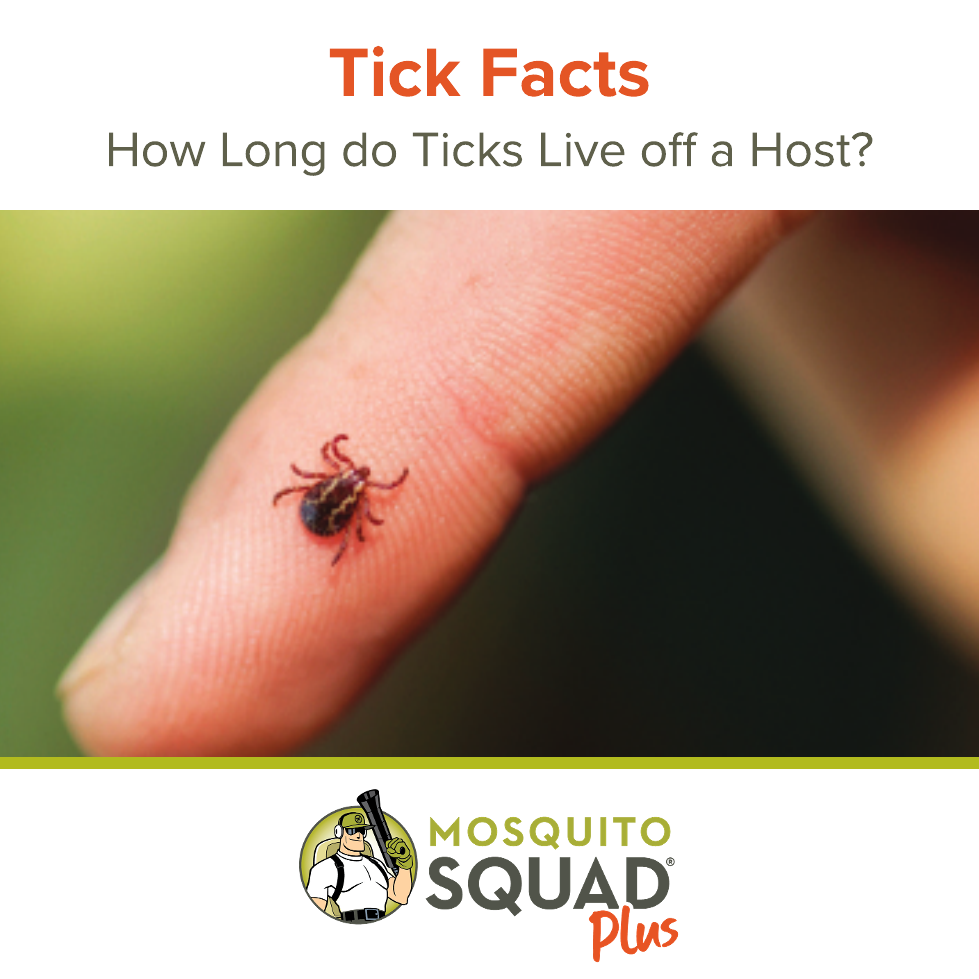
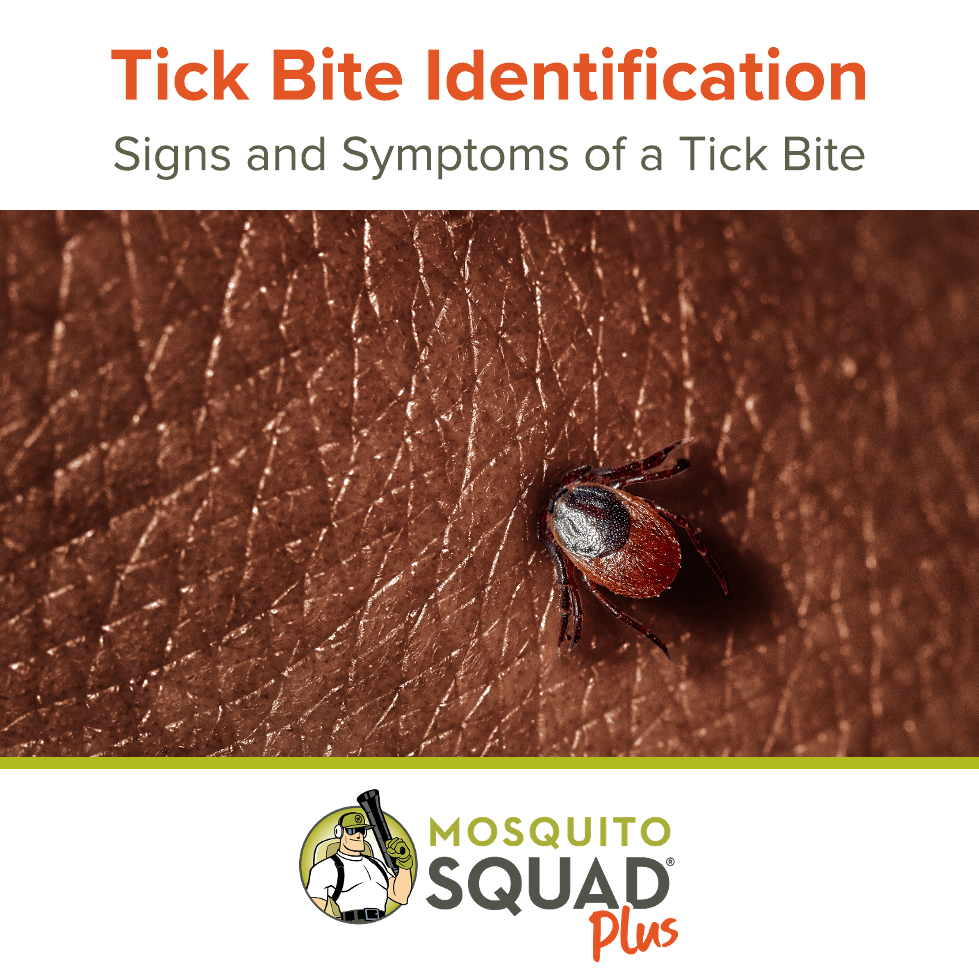
Everything a sustained rain week does for mosquito habitat it does something parallel for ticks, and in greater Birmingham that is worth knowing before someone pulls one off the dog for the third time in a week and starts wondering why.
Ticks do not breed in standing water. But the saturated leaf litter, the dense wet vegetation, and the shaded soil margins that a multi-day rain event creates are exactly the conditions where lone star ticks and American dog ticks thrive. The Alabama Department of Public Health tick-borne illness data consistently shows Jefferson and Shelby Counties as active areas for tick exposure. The wooded lot edges in Vestavia Hills. The creek margin properties in Homewood and Mountain Brook. The trail-adjacent neighborhoods near Ruffner Mountain and Oak Mountain State Park. After a wet week those habitats are exactly what those species are looking for and they are in no hurry to leave.
If you are treating for mosquitoes and not accounting for ticks on a property with wooded edges or creek access, you are solving half the problem and leaving the other half to figure itself out. It will figure itself out. Just not in your favor.
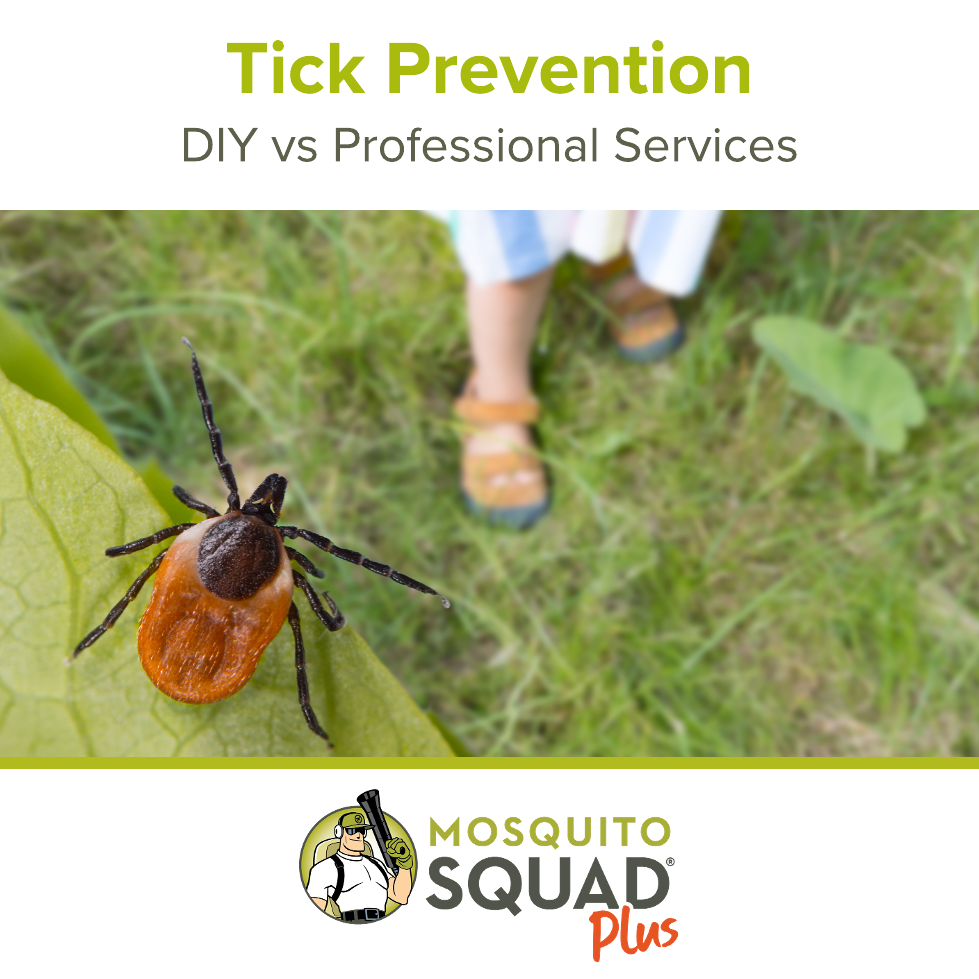
Tick control in Birmingham targets the resting habitat specifically. The shaded fence line. The mulch bed. The transition zone between the maintained lawn and the brush. Those are the same zones that hold moisture longest after a storm. Same geography, same timing, same treatment window. There is no good reason to treat them as separate problems when they arrive together in the same weather system every single spring.
What a Barrier Treatment Does When the Season Resets Like This
The 7 T's of mosquito control matter every time. Tip the birdbath. Clear the gutters. Check every container that could be holding water after a storm. That source reduction work is real and it helps. But in a city where the drainage patterns create standing water in spots no homeowner can find or eliminate, and where Shades Creek keeps the soil saturated in the transition zones on both banks for days after a high-water event, source reduction alone is not a complete answer. It never has been in this market.
A barrier treatment targets the vegetation where mosquitoes spend most of their time. Not the open lawn. The shrub lines. The lower canopy at the wood edge. The dense ground cover along the fence where the humidity sits even on dry afternoons. Mosquitoes are not flying around your yard at noon. They are resting in cool, shaded vegetation waiting for evening, and the barrier treatment finds them there before the evening finds you. Done on a 21-day cycle it keeps the population below the threshold where it makes outdoor life unpleasant, and it stays ahead of the overlapping hatches that a sustained rain event like this one triggers.
Timing matters more after a multi-day storm sequence than it does in a normal week. A treatment applied in the seven to ten days following significant rain, when the post-storm hatch is just starting to emerge from all that fresh standing water, catches the population at the most vulnerable point in its cycle. That window makes the difference between a yard that recovers quickly and one that stays difficult through the rest of May and into June.
Mosquito Squad's barrier treatment runs on a 21-day schedule because that interval matches the biology of the population cycle and keeps coverage ahead of the recurring hatches that Birmingham's spring storm pattern triggers. Not a round number chosen for convenience. The actual biology of the cycle mapped onto a service calendar.
Properties in Pelham and Helena along the Shelby County corridor, and properties in Trussville and Moody in the eastern part of the market where the terrain holds water in the hollow pockets between ridges, deal with sustained post-storm pressure that a single seasonal program does not fully address. The Complete Home and Yard package was built for that level of coverage, and for those properties it is the right answer.
When to Start and Why the Storm Already Answered That Question
The most common question every spring is whether it is too early to call. After a week like this one, the storm already answered that question for you.
Mosquito activity in central Alabama begins when daytime temperatures consistently reach the mid-60s, which in a mild year can happen as early as mid-March. Birmingham's bowl terrain, sitting between Red Mountain to the south and the ridge systems to the north and east, warms faster than the surrounding elevated terrain and holds heat longer into the evening. The valley floor microclimate that makes Birmingham feel warmer than it looks on a statewide temperature map is the same microclimate that accelerates mosquito development relative to what the calendar date would suggest.
The Auburn University Extension service has documented how Alabama's warm spring climate creates conditions where mosquito breeding begins earlier and runs longer than homeowners in most other states experience. In Birmingham specifically, that means the population that was already building before this storm arrived is now significantly larger and better-supplied with habitat than it was two weeks ago.
Starting mosquito control in Birmingham before a major rain event means the barrier treatment is already working when the storm resets the yard. Properties with active coverage going into this kind of sustained weather event recover faster and stay manageable longer than properties starting from zero after it. That gap is real and it is noticeable, especially in a spring where the storm systems keep arriving on a weekly cycle and the yard never fully dries out between them.
The Home Shield package extends that protection year-round, which matters in Birmingham because the mild Alabama winters mean pest pressure never fully stops. It pauses. The same properties dealing with mosquitoes in May are dealing with spiders, ants, and rodents looking for entry points in October. Year-round protection built around the actual seasonal pattern of this market makes more sense than starting the conversation over every spring when the first storm hits and the mosquitoes follow right behind it.
The Creek Drains Eventually. The Mosquitoes Do Not Wait.
Shades Creek will come back down. Village Creek will recede. The low corner of the backyard will dry out. The roads will reopen and life will return to normal and the storm will become one of those things people reference for a few weeks before moving on.
The mosquitoes do not move on. They hatch into every inch of standing water the storm left behind, they mature in the warm Alabama air, and they are ready to make their presence known on the first beautiful evening after the rain clears. That evening is coming. It might already be here.
If you are in Homewood, Vestavia Hills, Mountain Brook, Hoover, Trussville, Pelham, or anywhere across Jefferson or Shelby County, call Mosquito Squad at (205) 900-3528 or get a free quote online. First treatment scheduled within 48 hours.