Risks of Ticks in Wooded Backyards
Posted by Mosquito Squad Plus
July 13, 2026

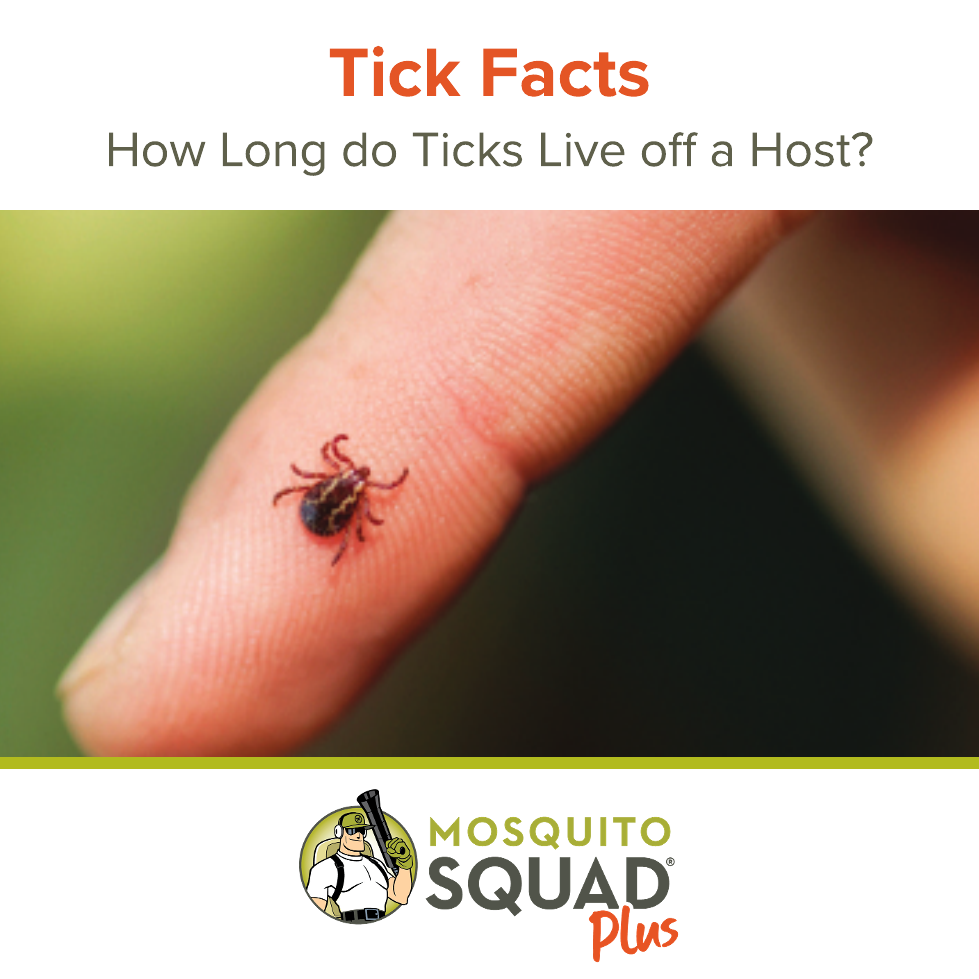
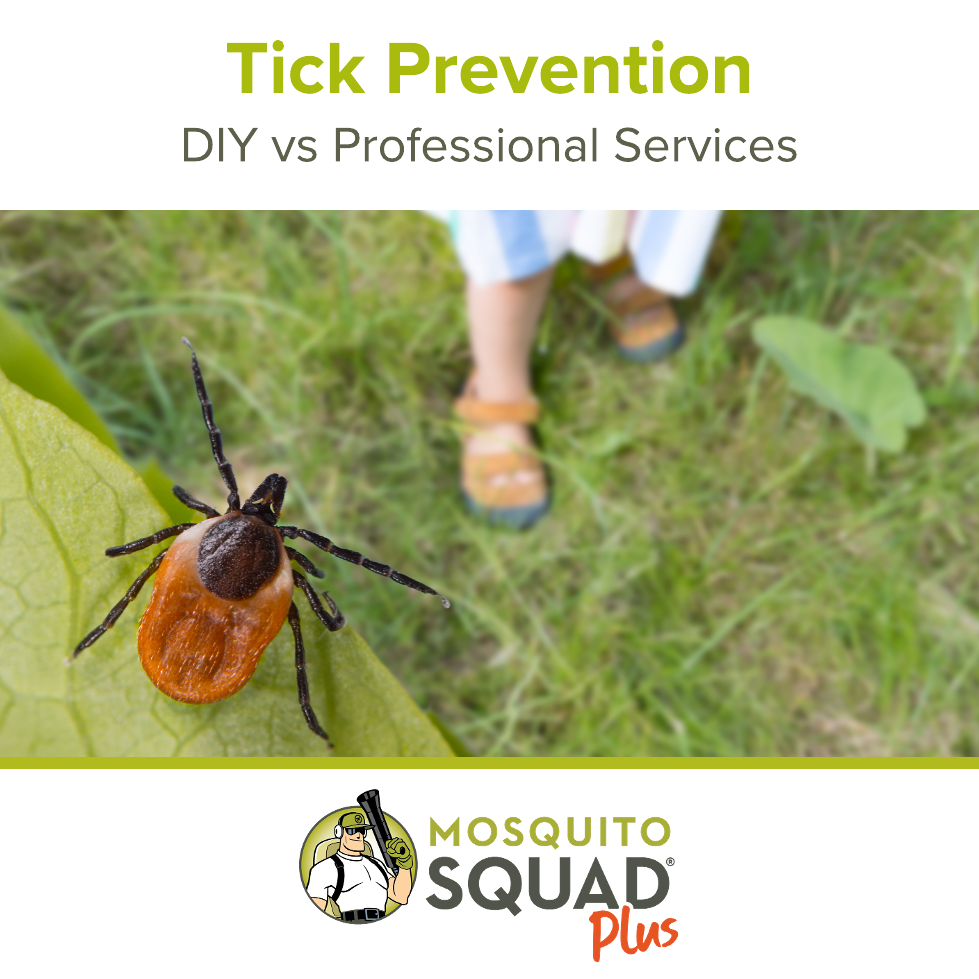
Caledonia, MI, is a small community with neighborhoods tucked around Caledonia Lakeside Park. There are some standard suburban neighborhoods with large yards and limited trees, but many of the homes here have partially wooded lots or back up to woods. The woods are seen as a benefit to living here, offering quiet and peace for your family. The downside of a home like this is that the woods are the perfect breeding place for ticks. Ticks make their homes and breed in cool, shaded spots, easily found amongst trees.
A backyard that borders trees can feel private, but also provide ticks with the cool shaded spots they like to live and breed in. In any area that offers shade and cooler temperatures, like leaf litter or overgrown landscaping, you can expect to find ticks. Wildlife moving through the area is the primary transport for introducing new ticks to the area. Ticks can latch on to deer, mice, rabbits, and others- dropping off close to your home.
Tick Bites Can Be Easy to Miss
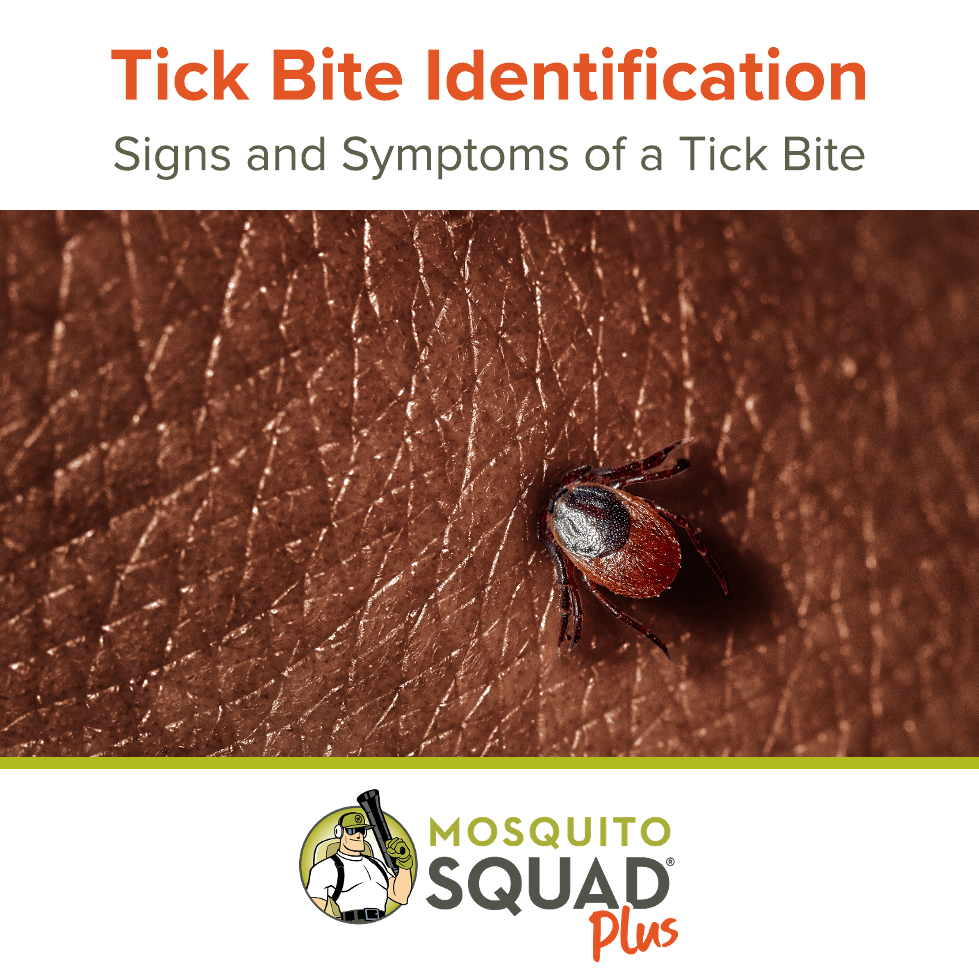
Unlike mosquito bites, tick bites may not be noticed right away. Ticks are small, quiet, and often attach in hidden areas such as behind the knees, around the waistline, near the scalp, or under the arms. This makes wooded backyards especially tricky because a short walk through tall grass, garden edges, or brush can result in a tick exposure that is not discovered until later.
That delay matters. Some tick-borne illnesses may begin with flu-like symptoms, while others can lead to more serious complications if not addressed promptly. Mosquito Squad Plus lists several tick-related illnesses and symptoms, including Lyme disease, anaplasmosis, babesiosis, ehrlichiosis, Powassan virus, Rocky Mountain spotted fever, and tularemia.
Wooded Backyards Can Affect Pets, Too
People are not the only ones walking through shaded lawn edges and wooded areas. Dogs and cats can pick up ticks while exploring the yard, resting in grass, or moving through brush near the property line. Once ticks attach to pets, they can be hard to see under fur, especially around the ears, neck, paws, and collar area.
If your Caledonia property has a wooded backyard, it is a good idea to check your pets after outdoor time and talk with your veterinarian about tick prevention. Yard maintenance can also help. Keeping grass trimmed, clearing leaf litter, moving woodpiles away from high-use areas, and limiting brush near patios or play spaces can all help minimize tick-friendly conditions.
Disease Risk Makes Tick Control Worth Taking Seriously
Some of the most common ticks in Michigan carry various illnesses that can be serious for humans and pets. The blacklegged tick can carry and transmit Lyme disease, known to have symptoms like fever, chills, fatigue, swollen lymph nodes, and an expanding rash in many cases. Other tick-related illnesses in people and pets can involve symptoms like muscle aches, rash, weakness, or neurological concerns, depending on the disease.
Professional Tick Control Can Help Manage the Problem
A do-it-yourself approach may help reduce tick habitat, but wooded yards can have higher tick loads than homes without trees and need a more targeted plan. Mosquito Squad Plus of Grand Rapids provides tick control services, and our technicians focus on areas where ticks are likely to hide, such as shrubs, tall grass, and perimeter zones near wooded areas.
Help Manage Tick Risks in Your Caledonia Backyard
When you're working hard to manage tick risks, the team at Mosquito Squad Plus can help. Our Caledonia tick control helps protect you and your family against the risk of ticks, and you can contact us today to learn more and get a free quote.