What is screwworm?
Posted by Mosquito Squad Plus
June 29, 2026
Screwworm, thanks in large part to its terrifying name, has made headlines lately. You’ve probably seen it next to words like “disaster declaration” and “flesh-eating” which definitely doesn’t help. For folks around Lake Highlands and the greater Dallas area, especially anyone with pets or animals on a bit of land, that's reason enough to want a clear, calm explanation.
Here, we’ll talk about what New World Screwworm is, minus the hype.
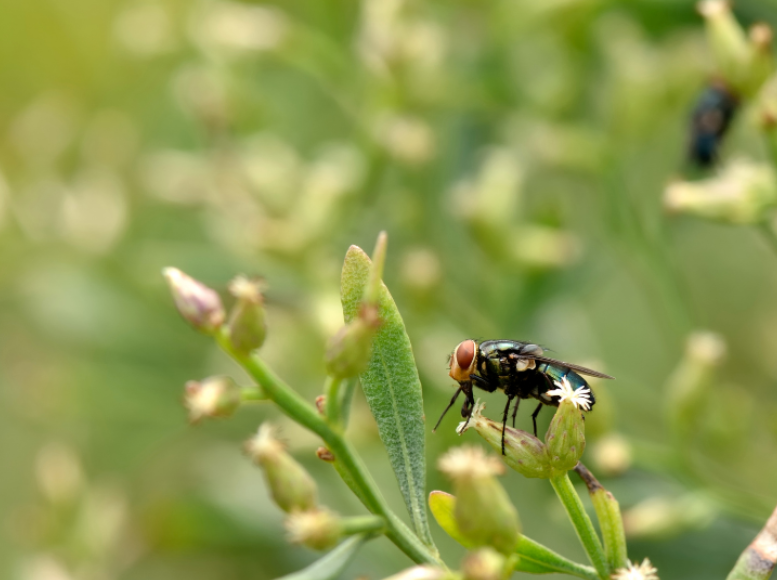
Screwworm is a fly, not a worm
Start with the misleading part: screwworm isn't a worm at all. It's a fly.
The New World Screwworm fly lays its eggs in or near the open wounds of living, warm-blooded animals. Occasionally, they will do this in soft tissue near the eyes, nose, ears, or mouth. Those eggs then hatch into larvae, which unlike ordinary maggots, feed on living flesh. They burrow inward in a screw-like motion, which is how the pest got its name. Wounds, if left untreated, can worsen quickly and draw more flies.
This is mostly a problem for cattle and horses. That said, it can also affect pets and wildlife, and in very rare occasions, people.
That’s the hard part of this news. The rest should provide a bit more comfort.
Why screwworm is news in Texas
The U.S. used to have serious problems with screwworms, but was successful in wiping them out about 60 years ago. This was done by releasing sterile male flies into the ecosystem. Female flies mate only once in their short lives, so pairing with a sterile male means the eggs never hatch. For decades, the pest was gone and stayed that way.
The streak ended in 2026, when federal officials confirmed the first U.S. animal cases in roughly six decades. This happened in South and Central Texas counties, plus a case in a pet dog a little over the line in New Mexico. Texas issued a disaster declaration, and the USDA restarted its sterile-fly program, releasing tens of millions of flies a week to drive the outbreak back.
Something to keep in mind is that the confirmed cases have been far south and west of Dallas. They’re nowhere near the metro. For most Dallas-area people, this is something to be aware of, but not necessarily afraid of.
Separating fact and fiction about screwworm
The scariest possible version of this story is the one that spreads fastest. So here, we’ll address a few common concerns:
- It is not a food-supply concern. The USDA has confirmed screwworm does not affect meat or the U.S. food supply.
- It is not contagious the way a cold is. Screwworm doesn't pass directly from one animal to another, or from animals to people. It spreads only when the fly reaches an open wound and lays eggs.
- Human risk remains low. People can be affected in rare cases, but no locally acquired human infestations have been reported in the U.S. during this outbreak.
You and your family are incredibly unlikely to deal with screwworms yourselves. Your pets are also probably OK, though you should keep an eye on open wounds. The animals most at risk are those on farms and ranches, and even then, it’s primarily the ones with open wounds or recent procedures that need to be looked after.
What you should do about screwworm
If you have horses, cattle, or other animals on acreage around the metro, it’s a good idea to start checking wounds daily. If you find wounds, treat them promptly. Good wound care makes it much harder for screwworms to harm an animal. Ask your vet for advice on how to further guide treatment and prevention from there.
Cutting down the fly pressure around your home or property makes it less hospitable to the flies that cause problems. That's our part of the job. Mosquito Squad of Dallas - Lake Highlands offers perimeter and barrier treatments that help reduce flying-pest activity around a property.
Do you have questions about reducing fly pressure at your place? Mosquito Squad of Dallas - Lake Highlands backs every visit with a 100% satisfaction guarantee, and we'll get your first treatment done within 48 hours, or it's free. Call (214) 506-2823 to get started.
To report a suspected screwworm case in Texas livestock, contact the Texas Animal Health Commission at 1-800-550-8242. For federal updates, visit screwworm.gov.