What Pest Season Actually Looks Like in Blue Ash and Deer Park
Posted by Mosquito Squad Plus
April 16, 2026
Blue Ash is named for the trees that built it. Early settlers used blue ash timber to construct the community's first buildings in the late 1700s, and that connection to established canopy has defined the character of this corridor ever since. Deer Park, sitting right alongside it on Blue Ash Road with a century of silver maple-lined streets and Chamberlin Park at the center of nearly every neighborhood within walking distance, shares that same character. These are not new communities. They are not growing into wooded hillsides or pressing subdivisions into former farmland. They are inner-ring Cincinnati suburbs with mature canopy, older residential lots, and decades of organic accumulation under every shrub border and fence line in the area.
That history is exactly what makes pest season in Blue Ash and Deer Park different from what homeowners in newer parts of Hamilton County experience, and different in ways that tend to catch people off guard until they have lived here for a full year.
The Canopy Changes Everything
Silver maple is one of the most common street trees in older Ohio communities, and it earns that distinction by growing fast and providing deep shade quickly. In established neighborhoods like those in Deer Park and the residential streets running off Cooper Road and Reed Hartman Highway in Blue Ash, those trees have had 50 or 60 years to reach full canopy. The result is streets and backyards that stay meaningfully cooler and shadier than open suburban environments, and that shade does two things for pest season that most homeowners do not think about until they are already dealing with the problem.
First, shaded yards dry out significantly more slowly after rain events than open sunny properties. According to the CDC's mosquito habitat guidance, standing water in shaded, organically rich environments produces mosquitoes faster and more consistently than water in open sun, because slower evaporation extends the window that allows larval development to complete. A low spot in the backyard that would dry out in two days on a sunny Sharonville lot might hold water for four or five days under the canopy cover that characterizes older Deer Park and Blue Ash properties. That is the difference between a breeding site and a non-event.
Second, established canopy creates the kind of dense, shaded lower vegetation that adult mosquitoes use for daytime resting. They are not in the open. They are on the undersides of leaves, in the dense shrub borders along foundation plantings, and in any vegetated edge that stays cool and humid through the afternoon. That is exactly the character of older established yards in this corridor, and it is why mosquito barrier treatment that targets those resting zones on a recurring schedule is what actually changes the season rather than eliminating obvious standing water, which is a good start but rarely the whole answer.
Mosquito Season in Hamilton County Is Getting Longer
This is not a local impression. It is documented. The Cincinnati Health Department reported that in 2024, the city had 24 West Nile virus positive mosquito pools, far above the 10-year average of six. Ohio is now seeing an average of 11 more mosquito-suitable days annually compared to the period from 1980 to 2009, according to reporting from Cincinnati's WVXU. Hamilton County Public Health confirmed that mosquito season in Southwest Ohio typically runs from spring through October with peak activity in August and September, and confirmed the county's first human West Nile case of 2025 in Sycamore Township, which sits directly adjacent to Blue Ash.
That is not distant news. That is the neighborhood next door.
The Ohio Department of Health documents the Asian Tiger mosquito as established throughout nearly all southern Ohio counties including Hamilton County. This species is worth understanding specifically because it does not behave like the mosquito most people picture. It bites during the day, not at dusk. It breeds in tiny containers, a tablespoon of water in a clogged gutter section, a low spot under a deck, a forgotten pot saucer sitting in the shade. And it is aggressive. On a property in Blue Ash with established canopy and older foundation plantings, it has everything it needs to build a population quickly.
The Culex mosquito, the primary West Nile vector, is a different species with different habits. It is most active at dusk and dawn, it breeds in larger standing water sources and organic-rich drainage features, and its population peaks later in summer. Both species are active in Deer Park and Blue Ash through the season, and they require the same recurring treatment approach to keep populations down to a level where the backyard is actually usable.
What the Tick Picture Looks Like Here
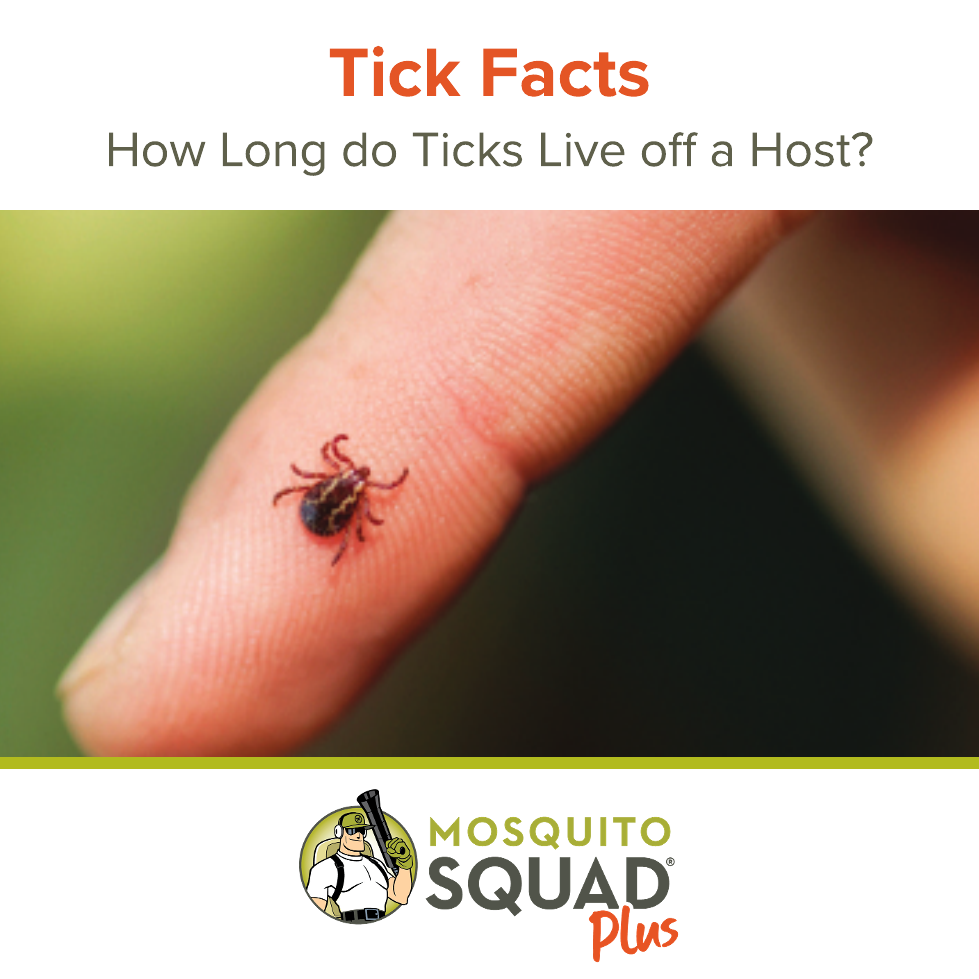
This surprises people. Ticks are not just a rural or wooded park concern in Hamilton County. According to Ohio State University Extension, three tick species in Ohio carry diseases that affect humans: the blacklegged tick, the American dog tick, and the Lone Star tick. All three are present in Hamilton County. And here is the part most Blue Ash and Deer Park homeowners have not heard yet.
Cases of the Gulf Coast tick were confirmed in Hamilton and Butler counties in 2020, with established colonies now documented across Southwest Ohio, according to reporting from IDEASTREAM Public Media. That is five tick species with disease-carrying potential now active in this county, and that number has grown meaningfully in the past decade as tick ranges expand northward.
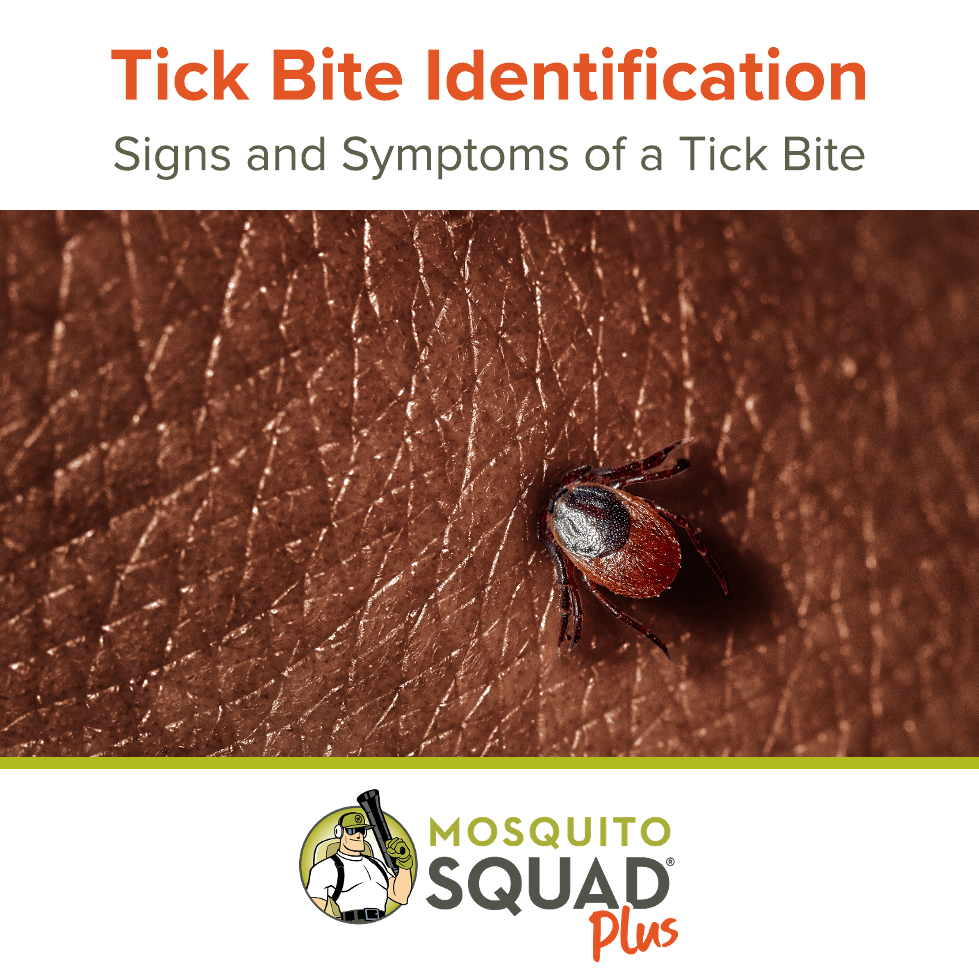
The blacklegged tick is the Lyme disease vector. It is most active in the cooler shoulder seasons, early spring and fall, and it concentrates in the transition zones between maintained lawn and unmaintained vegetation, the edge of a garden bed, the strip along the back fence where the mower does not quite reach, the area under any deck where leaf debris accumulates. On older established lots in Norwood and Madeira as well as Deer Park and Blue Ash, those transition zones exist on almost every property because the lots have had decades to develop them naturally.
The Lone Star tick is the one that concerns people most once they understand it. It actively pursues hosts rather than waiting, can cross open lawn to reach you, and its bite can trigger alpha-gal syndrome, an immune reaction to red meat that can develop weeks after the initial exposure. The CDC's alpha-gal documentation shows rising cases across the Midwest in direct correlation with expanding Lone Star tick populations. Hamilton County is in that expansion zone.
A tick control program that treats the edge zones and vegetated areas on a recurring schedule addresses both the passive and active tick species on your specific property. The 6 C's of tick control is worth reading if you want to understand the full framework for thinking about tick management on a residential lot in a canopied inner suburb like this one.
Chiggers Round Out the Picture
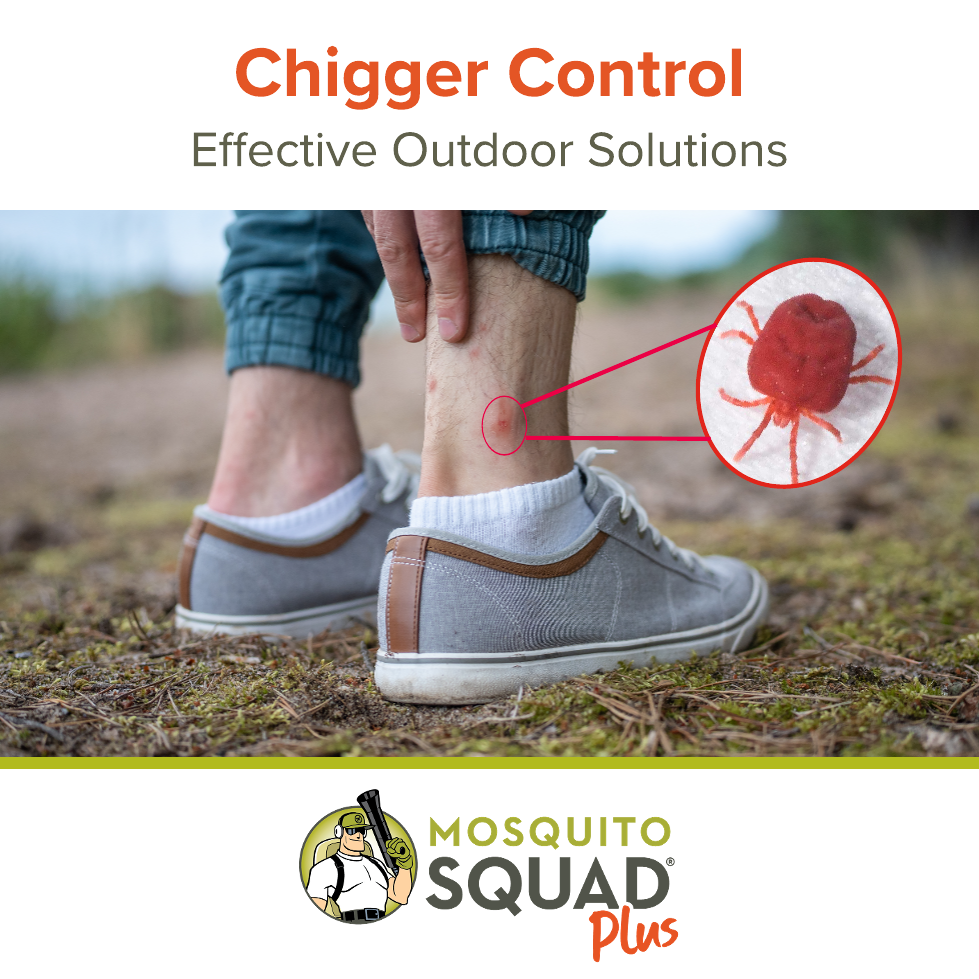
If you have spent a summer afternoon pulling weeds or gardening along any naturalized edge in Blue Ash or Deer Park and come inside with clusters of intensely itchy welts around your ankles and waistband, you already know this. Chiggers are not a rural pest. They are a lawn-edge pest, and older established yards with leaf litter accumulation, dense ground cover, and shaded borders provide exactly the warm, humid microhabitat they require.
Ohio State University Extension documents chiggers as a common pest across Ohio residential properties, particularly in shaded areas with organic debris. The mite larva is the stage that bites humans, and it concentrates in the same vegetated transition zones that blacklegged ticks prefer. The difference is that chigger pressure peaks in mid to late summer rather than the shoulder seasons, meaning that June through August is when most Blue Ash and Deer Park homeowners encounter them, usually along the same fence lines and garden borders they have been walking past all spring without any issue.
The Wetherington corridor in West Chester has documented chigger pressure associated with golf course buffers and HOA-managed green space edges. The situation in Blue Ash and Deer Park is different in origin, driven by the organic accumulation of older established lots rather than maintained buffer zones, but the result for a homeowner pulling weeds on a July afternoon is the same. (And equally unpleasant, trust us.)
What to Watch For and When to Start
Late February through March is when the season in this corridor starts to activate, well before most homeowners in Blue Ash and Deer Park are thinking about it. Here is what tells you conditions have arrived.
You step outside on a mild March morning and get a bite before you have finished your coffee. That is the Asian Tiger mosquito and it means the population is already building. Low areas in your yard are holding water four or five days after the last rain, particularly under canopy where evaporation is slow. The ornamental borders along the house foundation are starting to green up with early spring growth, which means the resting habitat is activating. The back fence line where leaf debris accumulated over winter still has that damp, dark organic character that tells you the conditions are right.
For ticks and chiggers, the timing shifts slightly later. Blacklegged tick nymphs, the stage most responsible for Lyme transmission and the hardest to detect at roughly the size of a poppy seed, peak in May and June. Chiggers peak mid-summer. Getting a barrier treatment program in place before the first generation of mosquitoes establishes in late February or March, and a tick control program running from early spring through fall, is consistently more effective than starting reactively after the first uncomfortable encounter of the season.
Blue Ash, Deer Park, and the Broader Inner Cincinnati Corridor
The pest story in this corridor is not the same as what is happening in newer parts of Hamilton County. It is an older, more established version of the same seasonal pressures, amplified by the canopy and organic character that decades of residential development produce. Communities like Sharonville to the northwest share some of that inner-ring character, while the story in Cincinnati broadly reflects the full range of urban and suburban pest environments that Hamilton County produces.
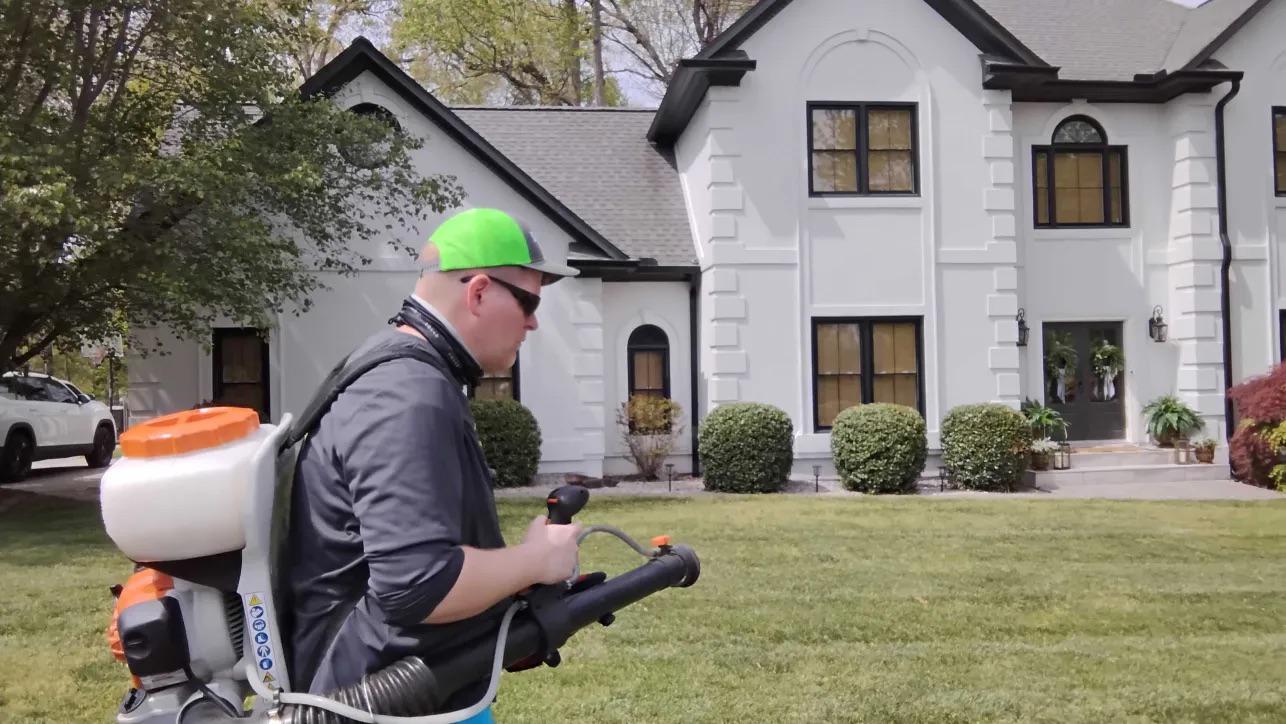
Mosquito Squad serves Blue Ash, Deer Park, and communities throughout the greater Cincinnati area. If you want to understand the full seasonal picture for this market, the Cincinnati mosquito control team is available now. The canopy that makes these neighborhoods worth living in does not slow down for spring to feel official, and neither should your treatment program.