EEE and West Nile on Cape Cod: What the 2026 Mosquito Risk Actually Is
Posted by Mosquito Squad Plus
October 9, 2026
Two mosquito-borne viruses get attention on Cape Cod every summer: West Nile virus (WNV) and Eastern Equine Encephalitis (EEE). Both are uncommon in people, but they're worth understanding — especially if you spend summer evenings outdoors on the Cape. Here's a plain-language look at where things stand in 2026 and what you can do around your own home.
West Nile Virus on Cape Cod
West Nile is the more frequently detected of the two in Massachusetts. According to the state's arbovirus monitoring, most people who are infected never develop symptoms, and about one in five experience fever, headache, body aches, or a rash. Adults over 50 face a higher risk of more serious illness.
In 2025, Massachusetts recorded 451 West Nile-positive mosquito samples statewide — including nine in Barnstable County — and nine human cases across the state (Mass.gov; Barnstable County). The 2026 season has been more active: the state announced its first West Nile-positive mosquito samples on June 16, and as of October 1, 338 samples statewide have tested positive, including samples from Barnstable County, along with 11 human cases (Massachusetts Department of Public Health).
Eastern Equine Encephalitis (EEE)
EEE is rarer than West Nile but more serious when it does occur. Massachusetts identified 23 EEE-positive mosquito samples statewide in 2025 with no human cases. In 2026, 26 EEE-positive mosquito samples have been identified so far, with no human or animal cases reported (Massachusetts Department of Public Health). For perspective on why officials watch it closely: in 2024, four Massachusetts residents were infected and a resident of neighboring New Hampshire died from the disease (Barnstable County).
Because EEE risk changes year to year and by location, the Massachusetts Department of Public Health publishes an arbovirus update through the season. Checking it is the best way to know the current risk level for the Cape rather than relying on any single number.
How Cape Cod Is Monitored
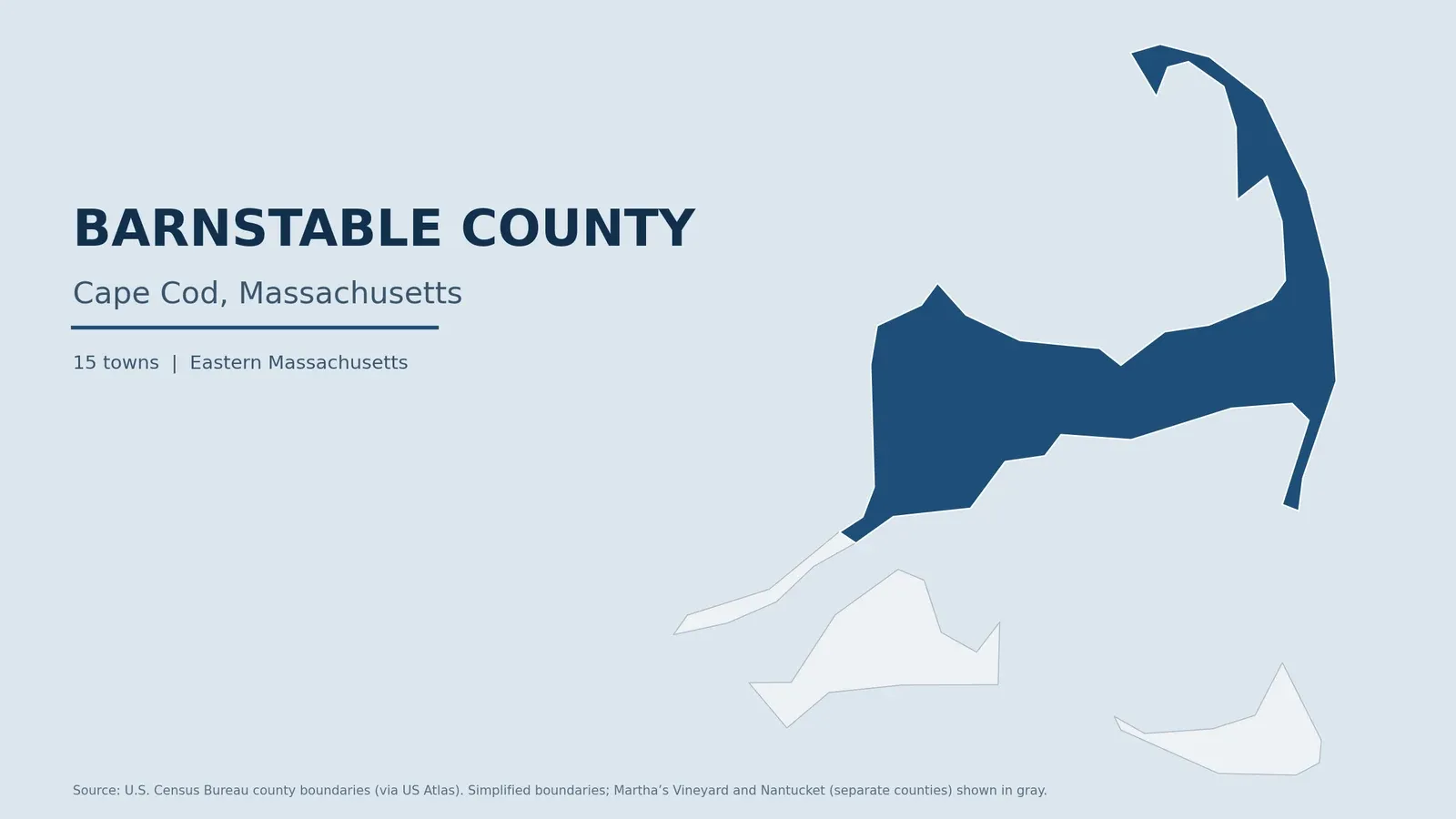
Cape Cod doesn't watch for these viruses by guesswork. The Cape Cod Mosquito Control Project traps mosquitoes across Barnstable County and sends samples to the state lab for testing on a weekly basis, and it treats standing water in wetlands and catch basins to reduce breeding. This regional monitoring is what lets the state flag rising risk early.
Reducing Mosquitoes Around Your Cape Cod Home
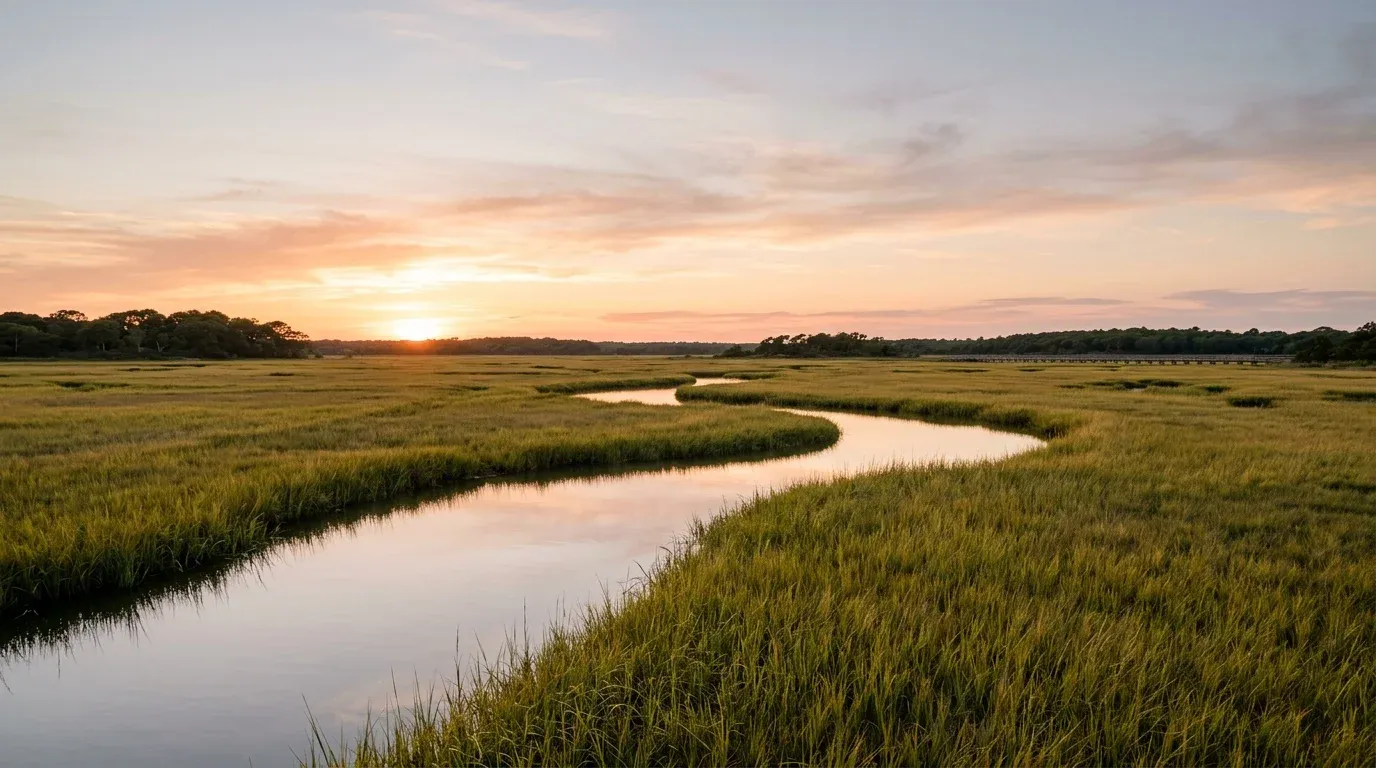
Community monitoring covers the region, but your own yard is up to you. Personal protection comes first — use an EPA-registered repellent per the label, wear long sleeves at dusk and dawn when mosquitoes are most active, and keep door and window screens intact. Around the property, tip out standing water at least weekly: plant saucers, buckets, tarps, boat and grill covers, and clogged gutters. Because Cape yards back onto marsh, ponds, and wooded low spots, the water you can't drain is where professional mosquito control helps most.

Take Your Cape Cod Yard Back This Summer
Schedule Your Pest Treatment Today. If mosquitoes are keeping you indoors on summer evenings, Cape Cod Mosquito Squad can help. Learn about our mosquito control services, see the Cape Cod towns we serve, or call us at (508) 507-7143 or request a free quote online. We're locally owned and operated, serving the Cape since 2014.
Sources: Massachusetts Department of Public Health arbovirus update | Barnstable County Mosquito-Borne Viruses | Cape Cod Mosquito Control Project. This post is for general information and is not medical advice.