Lone Star Ticks, Powassan Virus, and Alpha-Gal Syndrome on Cape Cod: What to Know in 2026
Posted by Mosquito Squad Plus
July 17, 2026
Lone Star ticks are now established on Cape Cod — and they carry a risk that goes beyond Lyme disease. Alpha-gal Syndrome (AGS), a red meat allergy triggered by a Lone Star tick bite, has become a growing public health concern on the Cape in 2026. Cape Cod's blacklegged (deer) ticks carry their own separate risks, including Lyme disease, babesiosis, and Powassan virus — a rarer illness that can be fatal in about 1 in 10 people who develop severe, neuroinvasive disease (CDC). Here is what Cape Cod residents and property owners need to know.
What Is a Lone Star Tick?
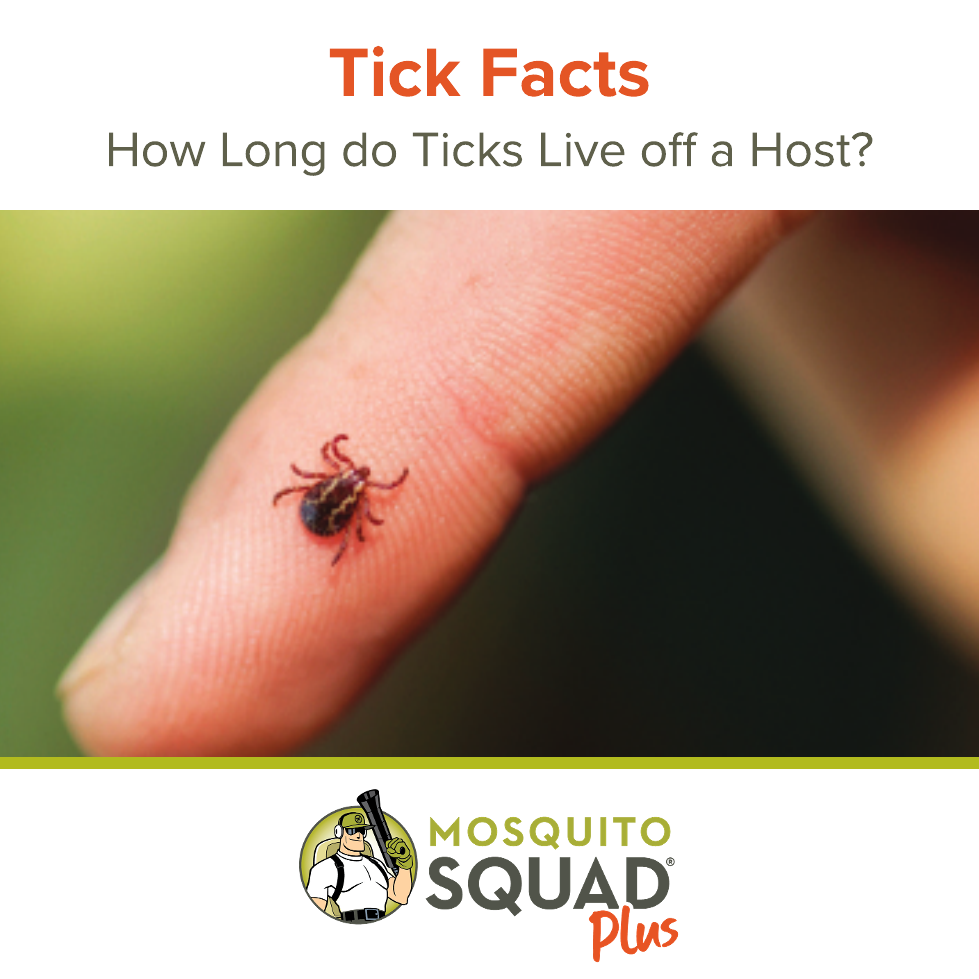
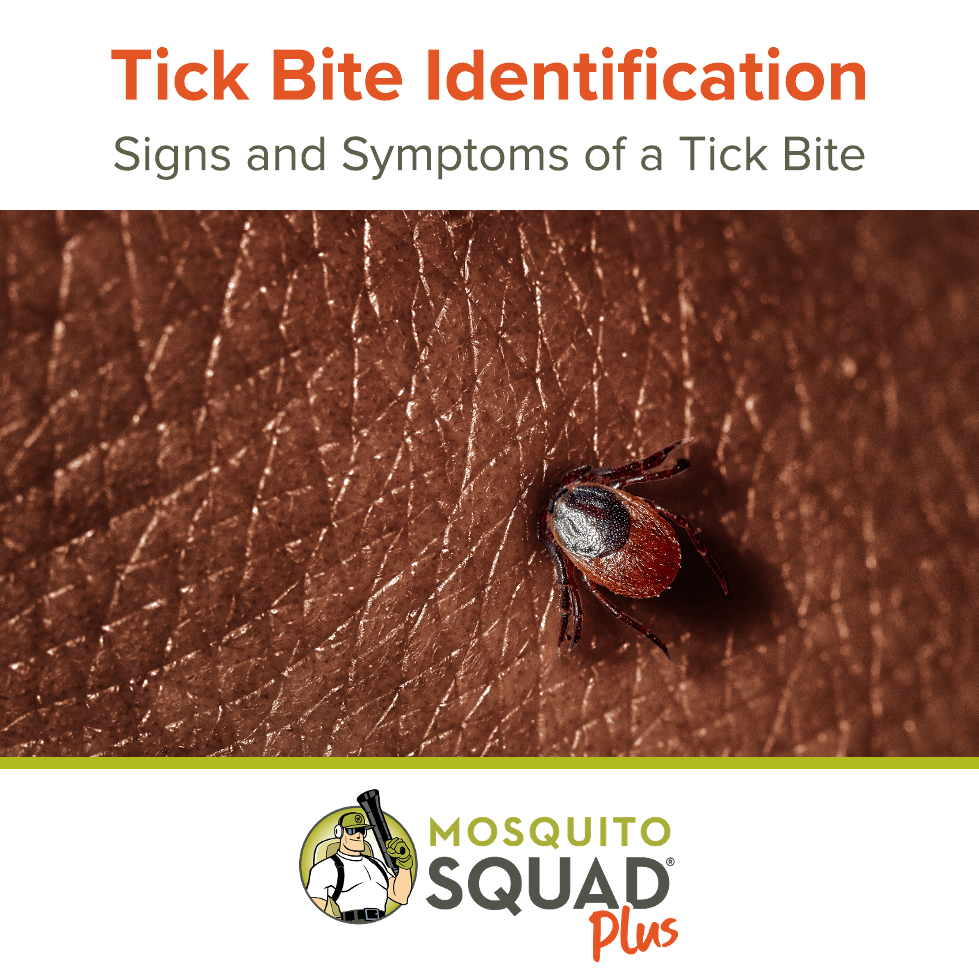
The Lone Star tick (Amblyomma americanum) is identified by a single white dot on the female’s back. Once found primarily in the southern United States, Lone Star ticks were first documented on Cape Cod in 2015 and are now firmly established across the region, particularly on the Lower Cape. Experts point to warmer temperatures and shifting deer migration patterns as the primary drivers of their northward expansion (capecod.gov, 2026).
Lone Star ticks are aggressive biters active through the warmer months and can transmit several illnesses distinct from those carried by other ticks — including Alpha-gal Syndrome, anaplasmosis, ehrlichiosis, tularemia, and STARI. Powassan virus and babesiosis are not Lone Star tick risks; both are spread instead by Cape Cod's blacklegged (deer) ticks (CDC). The presence of multiple tick species on the Cape means different risks depending on where you are and what bites you.
What Is Alpha-Gal Syndrome?
Alpha-gal Syndrome is an allergic condition triggered by a Lone Star tick bite. The bite sensitizes the body to alpha-gal, a sugar molecule found in most mammalian meats — beef, pork, and lamb — and sometimes in dairy products and gelatin. Unlike most food allergies, AGS reactions occur two to six hours after eating red meat, which makes the connection difficult to identify without medical evaluation (WGBH, June 2026; Cape Cod Healthcare).
Reactions range from hives and gastrointestinal distress to anaphylaxis. People diagnosed with AGS are typically advised to avoid red meat and, in some cases, dairy — a significant and sometimes permanent lifestyle change. There is currently no treatment for AGS beyond avoidance of trigger foods.
How Serious Is AGS on Cape Cod?
Serious enough that Massachusetts made AGS a mandatorily reportable condition on April 1, 2026, requiring healthcare providers to report confirmed cases to the state. Health officials identified over a dozen confirmed cases on Cape Cod within weeks of tracking beginning (Cape and Islands, June 2026). Researchers have described the Cape as a potential AGS hotspot given the established Lone Star tick population.
The 2026 tick season has been described as off to an “unusually bad start” across the Cape, with expanding tick numbers attributed to warmer winters and increased deer activity (capecod.gov, April 2026). For context, Barnstable County already has one of the highest Lyme disease incidence rates in Massachusetts — after Nantucket and Martha’s Vineyard — with roughly 38% of adult deer ticks carrying the Lyme bacterium (Barnstable County Department of Health & Environment). Northeast residents were visiting emergency rooms for tick-related issues at the highest rate in nearly a decade in 2026 (MassLive, 2026).
The push for better tick-borne illness prevention extends beyond property-level treatment. Just off Cape Cod, MIT and Tufts researchers have been studying gene-editing approaches on Nantucket aimed at making local mice immune to Lyme disease, which could reduce transmission at the source (CBS News, 2026). Separately, drugmakers Pfizer and Valneva are seeking regulatory approval for a new Lyme disease vaccine, though it remains unclear how quickly — or widely — it would be adopted (NPR, June 2026). Until those efforts reach Cape Cod properties, professional tick control remains the most direct way to reduce exposure in your own yard.
Concerned about tick exposure on your property? Call (508) 507-7143, learn about Cape Cod Mosquito Squad’s tick control services, or request a free assessment online.
How to Reduce Tick Exposure Around Your Cape Cod Property
Personal protection — long sleeves, tick repellent applied per label instructions, and thorough tick checks after time outdoors — is a necessary first step. For properties near wooded areas, conservation land, or neighborhoods with high deer activity, those measures have limits on their own.
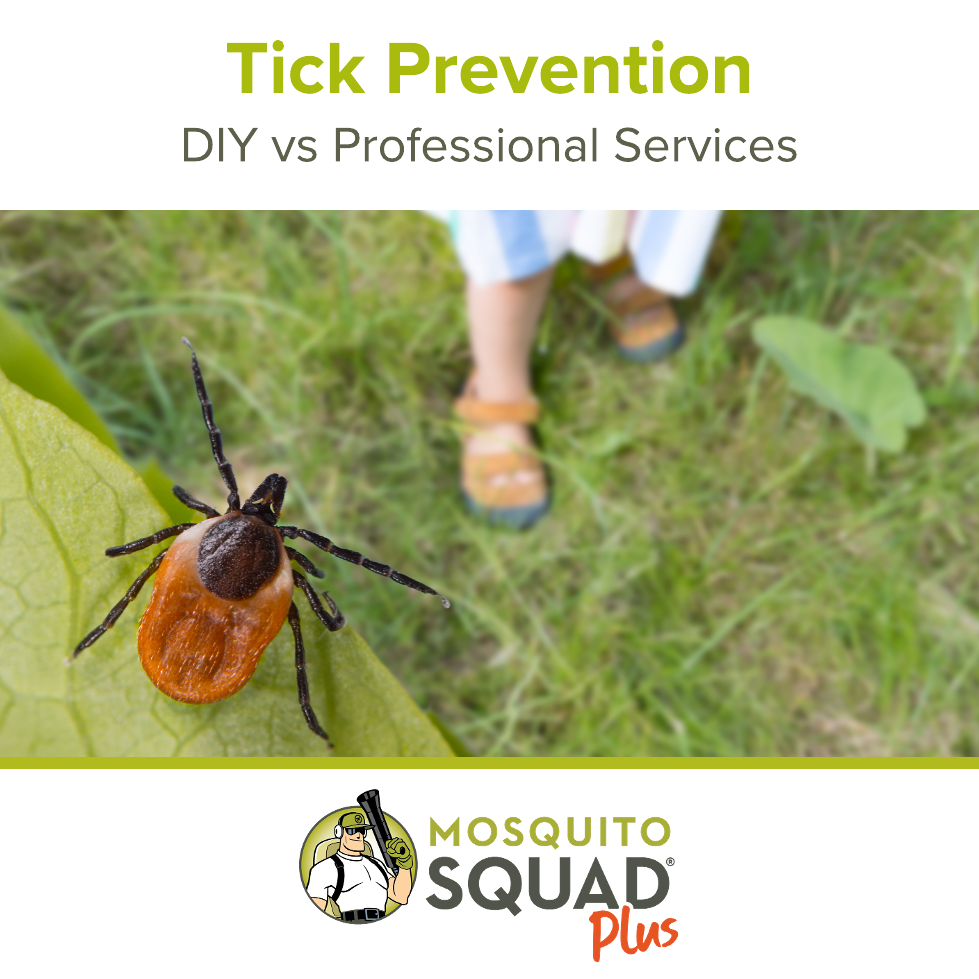
Ticks spend most of their lives in the landscape rather than on a host — resting in leaf litter, brush edges, tall grass, and low vegetation along property lines and fence edges. Landscape maintenance steps that reduce harborage include regular mowing, clearing leaf litter from yard edges, and creating a buffer zone between wooded borders and lawn areas. On properties where tick pressure is high, professional barrier treatment provides an additional layer of control by targeting the vegetation zones where ticks are concentrated.
Professional Tick Control on Cape Cod
Cape Cod Mosquito Squad provides professional tick control services across Cape Cod — from Chatham and Harwich to Barnstable, Yarmouth, Eastham, and beyond. Our trained technicians treat the vegetation edges, brush lines, and shaded zones where ticks — including Lone Star ticks — rest between hosts.
We use EPA-registered products applied by trained technicians per label instructions. We also offer a non-toxic, environmentally protective treatment option for customers who prefer an alternative approach. Traditional and natural treatments are kept as separate services.
Contact Cape Cod Mosquito Squad
Cape Cod Mosquito Squad is locally owned and operated, serving Cape Cod since 2014 and fully licensed in Massachusetts (License AL-0054568). Our trained technicians understand the pest pressures unique to this area — including the growing Lone Star tick population and the associated Alpha-gal Syndrome risk. Call (508) 507-7143 or request a free assessment online to discuss tick control options for your property.
Does Professional Tick Control Help Against Lone Star Ticks?
Yes. Barrier treatments target the leaf litter, brush edges, and low vegetation where all tick species — including Lone Star ticks — rest and wait for a host. Contact us online or call (508) 507-7143 if you have specific concerns about Lone Star tick exposure on your Cape Cod property.
Sources: capecod.gov | Barnstable County Department of Health & Environment | WGBH (June 2026) | Cape and Islands (June 2026) | Cape Cod Healthcare | MassLive (2026) | UMass Amherst | CBS News (2026) | NPR (June 2026) | CDC — Powassan Virus | CDC — Babesiosis