Pest Control in Union, Kentucky: What Boone County Homeowners Should Know
Posted by Mosquito Squad Plus
April 29, 2026
There's a particular kind of Saturday morning that happens in Union from late April through June. The dog has been out back since the kitchen door first opened. The kids are running between the open lawn and the wooded buffer that separates the development from the next subdivision over. Somebody's biking toward Big Bone Lick later. The grill is already pulled out from the garage because dinner tonight is steaks. By the standards of how families actually live in this part of southern Boone County, none of that is unusual. That's the whole point of moving here.
Here's the part most Union families haven't been told yet. Pest control in this zip code is not the same conversation it is in Florence, Burlington, or anywhere else in our Northern Kentucky service area. The combination of conditions stacked together here, the wildlife movement out of Big Bone Lick, the dog density, the rural-to-suburban edge that defines the back property lines in Triple Crown and Hempsteade and Lassing Green, and the fact that there's no public mosquito or tick spraying program operating in Boone County the way there is in Lexington or Louisville, all combine to make Union pest control a different problem to solve than the rest of the region.
This is not a doom post. It's the conversation most pest control content for Union hasn't had yet, and it's worth having before grilling season is in full swing.
Why Pest Control in Union Sits on a Different Map Than the Rest of Boone County
If you've lived in Union for more than a season, you already know the back fence line behaves differently than it did wherever you moved from. The deer come through the wooded buffer in the early morning. The dog finds something in the leaf litter every couple of weeks. The mosquitoes work the patio earlier in the evening than they should. None of that is in your head. Union sits in the southern half of Boone County, surrounded by working farmland and the 813 acres of Big Bone Lick State Historic Site, with creek systems draining toward the Ohio River through what used to be pasture and is now subdivision. The Union pest control profile reflects all of that.
The newer Union neighborhoods, Triple Crown, Ballyshannon, Hempsteade, Lassing Green, Harmony, and the developments that have grown up around Cooper High School and the Union Promenade, were built into terrain that still functions ecologically like rural Kentucky. The pests don't know they're supposed to behave like a Florence subdivision. They behave like what's actually around them. That alone separates Union pest control from anywhere else in the county we serve.
The Tick Most Common in Union Isn't the One Most People Picture
When most people in Northern Kentucky think tick, they think Lyme disease and the small dark deer tick that carries it. That tick is real and its range is expanding into the Commonwealth. The Kentucky Cabinet for Health and Family Services tracks tickborne disease surveillance across the state, and we covered Boone County's broader Lyme disease picture in the Florence tick control blog earlier this spring. But the dominant tick species in a Union yard right now is something different.
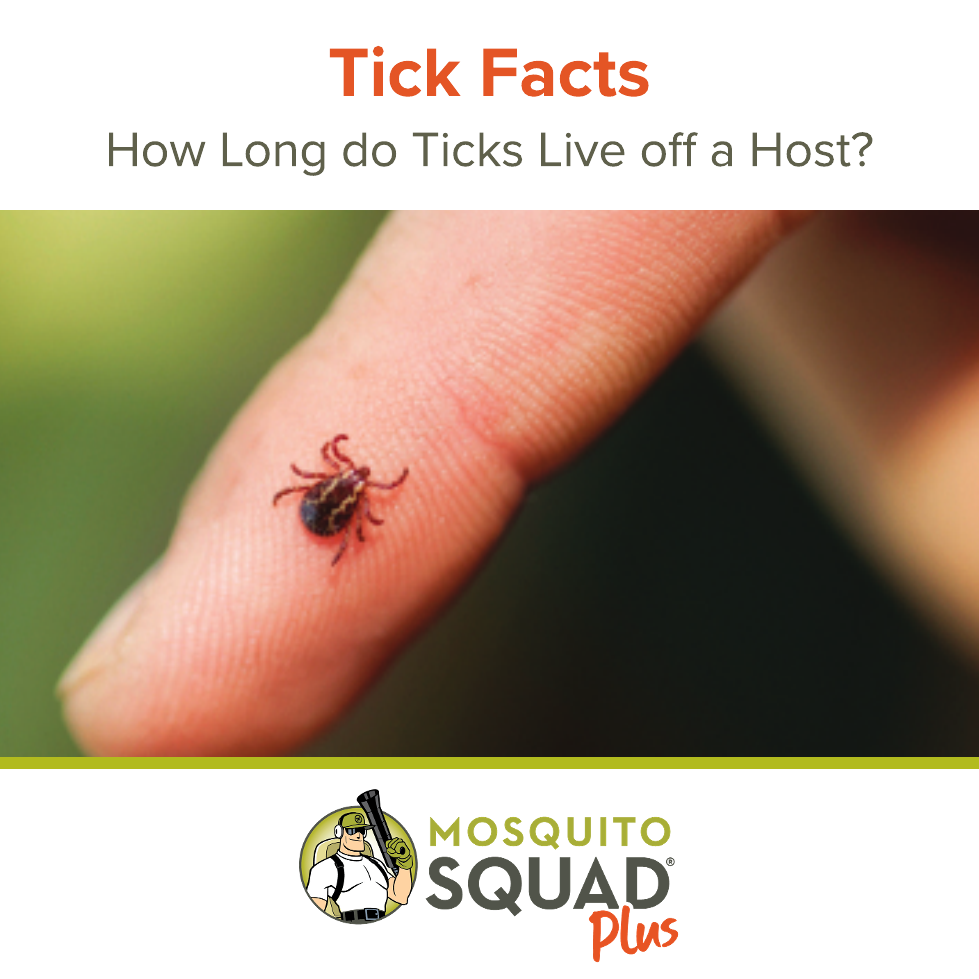
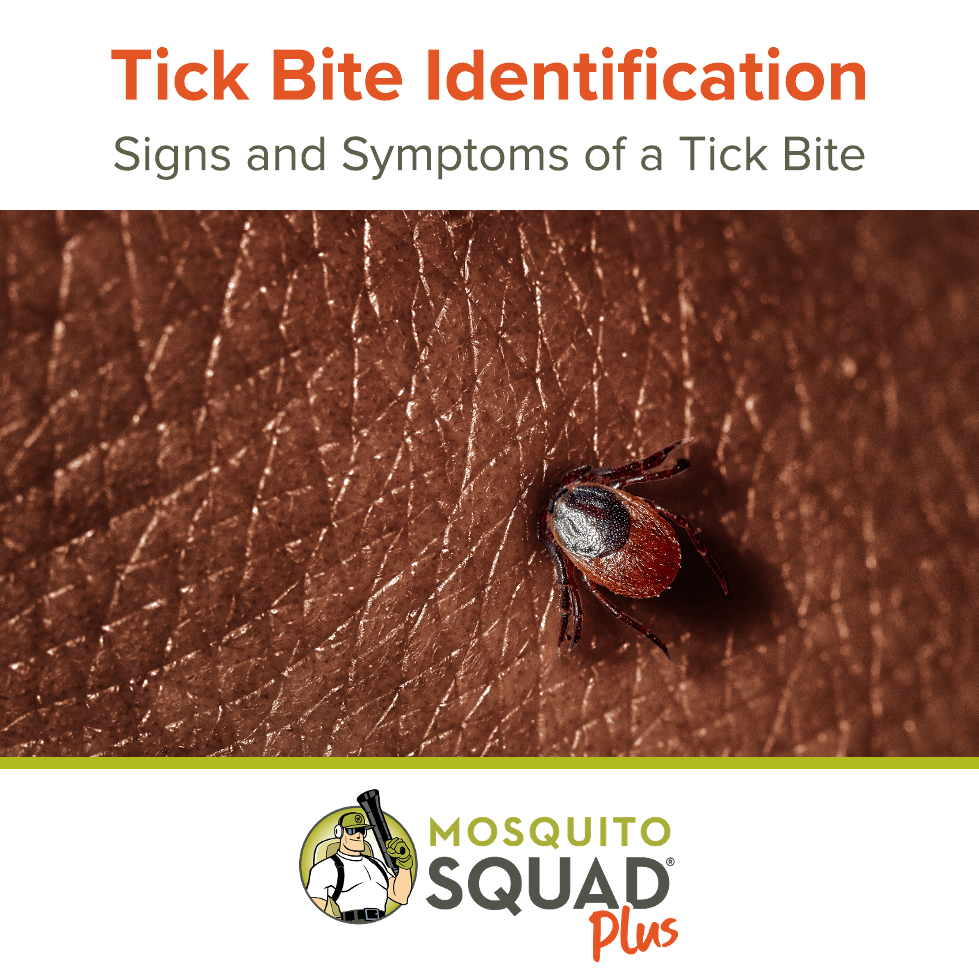
The Lone Star tick, named for the single white spot on the female's back, is described by the University of Kentucky Department of Entomology as the most commonly encountered tick across the state. The CDC's Lone Star tick surveillance map shows the species established widely across Kentucky and continuing to expand north and west, a pattern that aligns with the broader tick risk shift documented on our national tick map. A USGS-led ecological niche modeling study published in PLOS One projects continued range expansion under both low- and high-emissions climate scenarios.
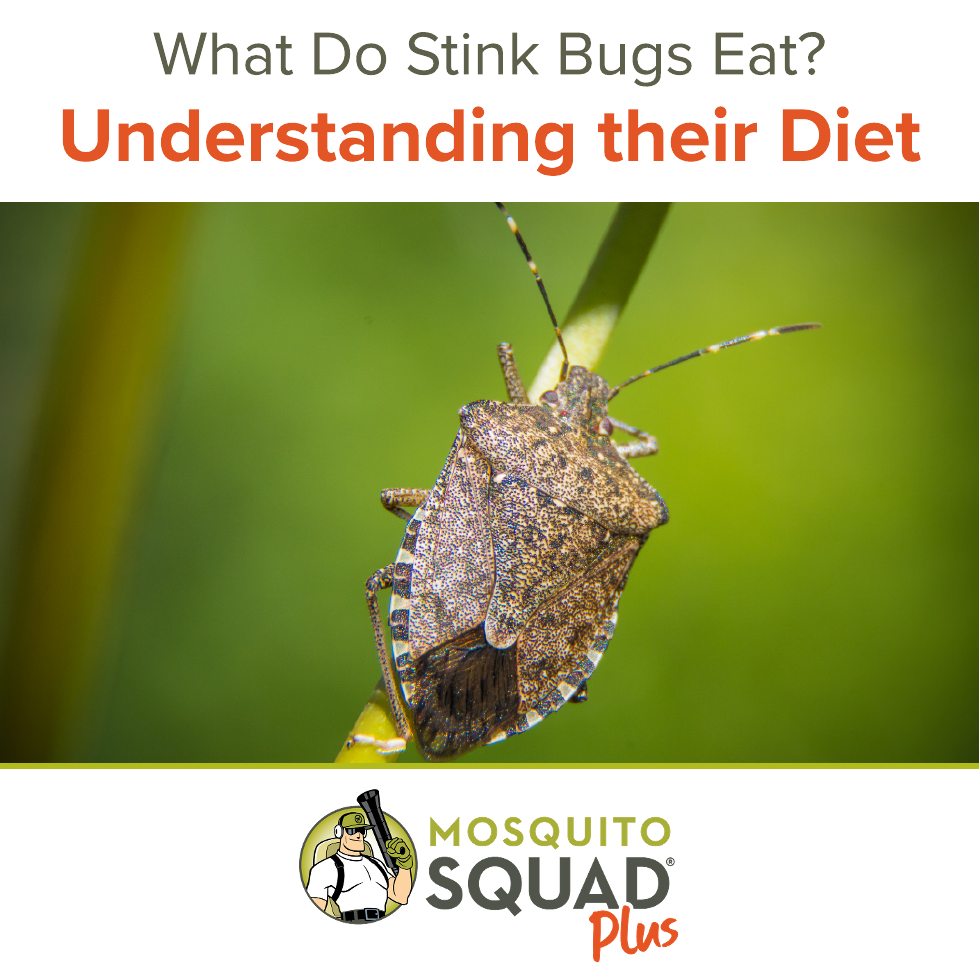
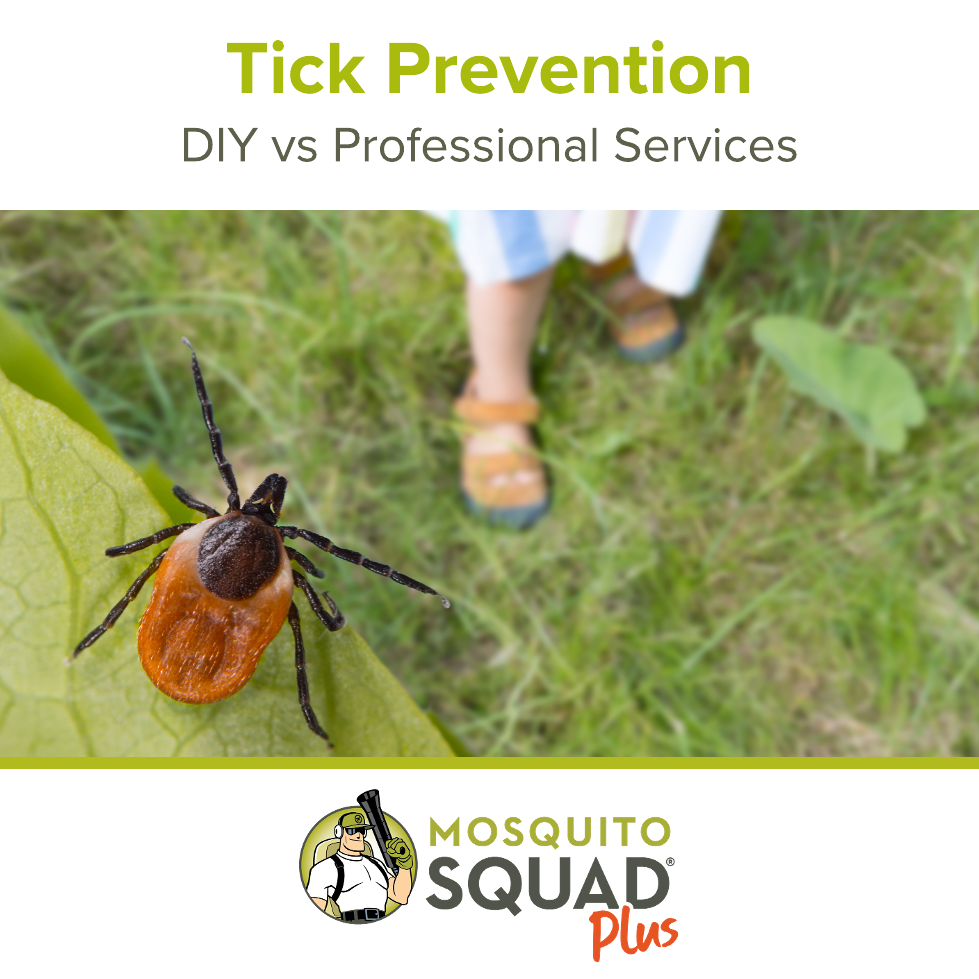
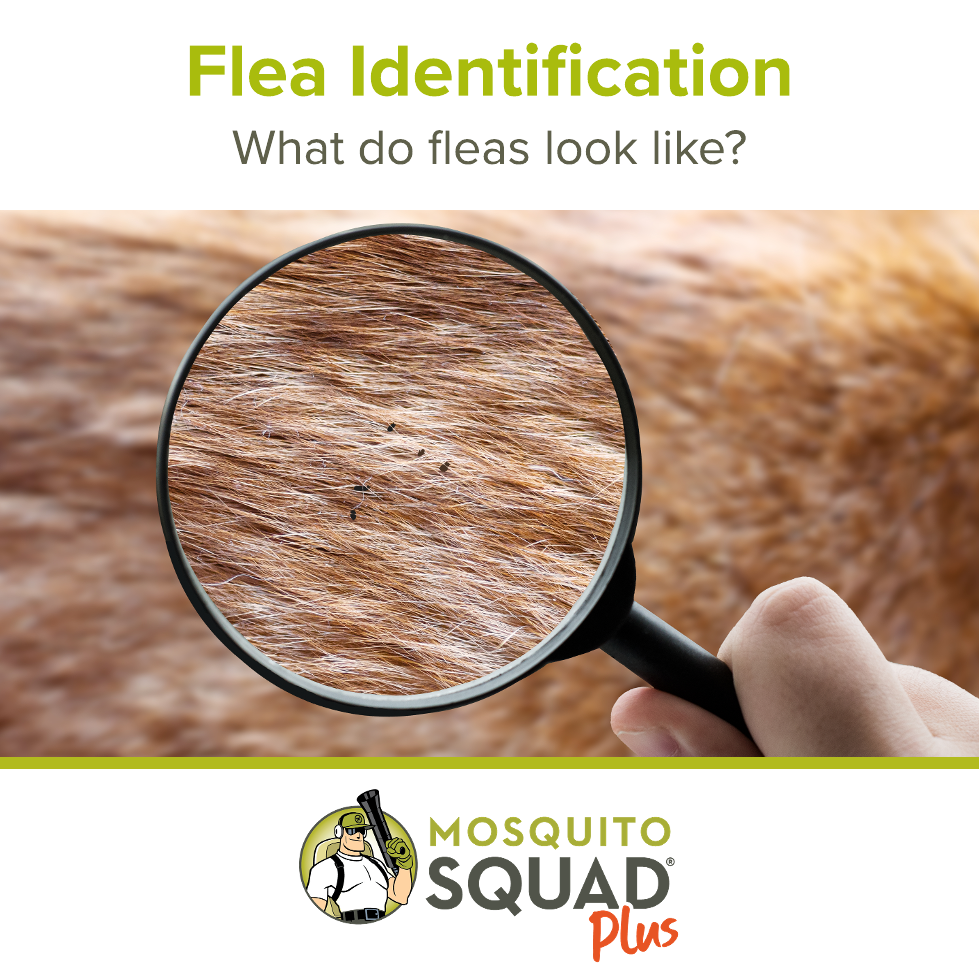
Two things make Lone Star ticks different than what people picture. They're aggressive questers, meaning they actively pursue hosts rather than waiting passively on a blade of grass. UK Entomology documents them as common across forest edges, fence lines, meadows, and the transition zones where maintained lawn meets natural vegetation, which describes essentially every property line in Triple Crown, Hempsteade, Lassing Green, Harmony, and the Ballyshannon corridor. They're active March through September, and they swarm in numbers that surprise homeowners coming from regions where ticks are a quieter presence. Effective tick control in a Union yard has to start from that reality.
The second thing is what their bite has been linked to.
Alpha-gal Syndrome and Why Union Pest Control Treats This as a Real Concern
Alpha-gal Syndrome, AGS in the medical literature, is a delayed-onset allergic reaction to mammalian meat triggered by Lone Star tick bites. The CDC's alpha-gal information page describes the mechanism plainly. The tick's saliva transfers a sugar molecule called galactose-α-1,3-galactose into the human host during a bite. The immune system mounts a response. The next time that person eats beef, pork, venison, lamb, or a number of mammal-derived products, the reaction can range from hives to gastrointestinal distress to full anaphylaxis. Reactions typically don't show up for three to six hours after eating, which is part of why the condition gets misdiagnosed as food poisoning, IBS, or some other unrelated stomach issue for years before anyone connects it to a tick bite the patient may not even remember getting.
The numbers have moved fast. The CDC's Morbidity and Mortality Weekly Report documented more than 110,000 suspected AGS cases between 2010 and 2022, and the report specifically named Kentucky alongside Arkansas, Missouri, Tennessee, and Virginia as the highest-prevalence states in the country. Stony Brook Medicine researchers estimate the true number of affected Americans may be as high as 450,000, which would make AGS the tenth most common food allergy in the United States. AGS is not a nationally notifiable condition, which means most providers aren't required to report cases to public health authorities.
A 2025 study presented at the American College of Gastroenterology's annual meeting and reported by VCU Health found a 100-fold increase in positive test results for alpha-gal antibodies between 2013 and 2024 across 69 U.S. health systems. Researchers attribute the rise to two things working in tandem. Lone Star tick range is expanding, and white-tailed deer populations, the tick's primary host, have grown significantly across the eastern United States. Both conditions are present in southern Boone County. A clinical review published in Open Forum Infectious Diseases put the diagnostic challenge directly. The nonspecificity of AGS symptoms can delay diagnosis for years, and patients describe bouncing between gastroenterologists, dermatologists, and allergists before someone makes the connection. A 2025 rapid review in PMC noted that 42% of primary care providers surveyed in 2022 had not heard of AGS at all.
This is part of why a comprehensive Union pest control approach in 2026 looks different than it did even five years ago. Tick exposure is no longer a Lyme disease conversation only. It's a broader conversation about what consistent population reduction at the property level does to the cumulative bite exposure across an outdoor season.
What Stacks Up in Union That Doesn't Stack Up Elsewhere
Three Union-specific conditions concentrate pest control pressure in this zip code in ways most of Northern Kentucky doesn't experience.
The first is what Big Bone Lick State Historic Site does for wildlife movement. The 813-acre park sits inside the Union zip code with mixed hardwood forest, wetland, and creek habitat that supports a robust white-tailed deer population. The park boundary is a line on a map. The deer don't honor it. They move through drainage easements, wooded lot lines, and the green-space buffers that connect the park to the residential corridors throughout Union. Adult Lone Star ticks ride those deer. White-footed mice and other small mammals serving as larval and nymphal hosts move through the same corridors. Our Walton pest control blog covered the rural-suburban interface that defines pest pressure in southern Boone County more broadly. Union sits closer to the wildlife source habitat and the movement here is more direct.
The second is what southern Boone County's residential design does for pet-to-yard contact frequency. Properties in Triple Crown, Hempsteade, Lassing Green, and the Ballyshannon corridor were built around outdoor lifestyle, with deep lots, wooded buffers, and the kind of layout that puts the dog out back fifteen, twenty times a day. They run the fence line. They check the back corners. They roll in the leaf litter. Every one of those movements is a chance to pick up a Lone Star nymph from the edge zones and bring it into the house. Tick-borne disease in Union isn't theoretical for the dog population. Veterinarians across the region have been treating ehrlichiosis, anaplasmosis, and tick paralysis cases for years, and the bites that produce those infections are often the same bites that introduce alpha-gal exposure to the human members of the household. Our recurring Union tick control program follows the 6 C's of Tick Control precisely because of how high the dog-to-yard contact frequency is in this market.
The third is the part most homeowners don't know about until they go looking. Boone County does not have a public mosquito or tick spraying program. The Northern Kentucky Health Department responds to mosquito complaints and conducts West Nile virus surveillance for Boone, Campbell, Grant, and Kenton Counties, but the kind of routine, scheduled, neighborhood-level fogging that Lexington-Fayette County and Louisville Metro run every summer doesn't exist here. There's no monthly truck driving down Triple Crown Boulevard. There's no county larvicide program treating retention pond margins on a schedule. Pest pressure that builds in a Union neighborhood from May through October builds without any external population reduction working against it. Whatever happens in your yard is up to you. That fact alone is the strongest argument for property-level Union pest control in this zip code, because nothing else is doing the work.
Where the Pressure Actually Lives in a Union Yard
This is the part that surprises people. The middle of the open lawn, where the kids actually play, is not where the pest control problem lives. Research published in Environmental Entomology and reported by Entomology Today found that nymphal tick density was highest at the wooded edge of the lawn-forest transition zone, where leaf litter and scattered undergrowth create the humid microclimate ticks need to survive. The maintained turf was among the lowest-density areas on the same properties. A University of Kentucky doctoral dissertation on statewide tick surveillance reinforced the pattern across Kentucky habitats specifically, with grassland-forest transition zones consistently producing the highest Lone Star tick densities across the 99 counties surveyed.
What that means in a Union backyard is straightforward. The leaf-littered base of the back fence line where the lot drops toward the drainage easement is where the population concentrates. The shaded corner under the maple where Boone County's clay soil stays damp four days after rain. The wooded margin of a Triple Crown lot where the manicured fairway-style lawn meets the buffer zone. The brushy edge along Frogtown Road or the back end of an acreage parcel where pasture transitions to woodlot. That's where the ticks are. The patio, the open lawn, and the parts of the yard where families actually spend time are downstream of those source zones.
The same edge-zone logic applies to mosquito pressure. The standing water that produces the bulk of Culex breeding in Union doesn't sit in the open lawn. It sits in the shaded margins, the gutters with leaf accumulation, the low spot at the back of the lot, the drainage swale connecting to the broader watershed. The Independence pest control blog covered what happens when a creek system feeds mosquito pressure into a residential watershed, and Union has its own version of that dynamic with Big Bone Creek and Gunpowder Creek draining the area. Effective Union pest control treats those zones specifically because that's where the population actually lives.
What Homeowners Try First, and Where It Falls Short
The instinct most Union families have is correct in spirit and incomplete in practice. Tick checks after time outside. Putting the dog on a vet-prescribed prevention. Permethrin-treated clothing for yard work or hikes at Big Bone Lick. Throwing the kids' clothes in a hot dryer for ten minutes after they come inside. Hardware store granular tick products spread across the lawn. Citronella candles on the patio. The CDC and UK Entomology endorse most of those steps for what they are.
The catch is that none of those steps addresses the population producing the encounters. Tick checks protect the individual after exposure. Pet preventatives protect the dog but don't reduce the yard population that puts the dog at risk in the first place. Permethrin clothing works while you're wearing it. Granular hardware store products applied across the open lawn are treating the part of the yard that didn't have many ticks to begin with. The Lone Star tick population in your back fence line is reproducing on its own schedule regardless of how thorough your tick check process is, and one missed nymph at the base of a sock line is all it takes for a bite event nobody knows happened until much later.
The same gap shows up on the mosquito side. Dumping the bird bath and clearing gutters helps at the margins. The mosquitoes biting on your patio at dusk are coming from breeding habitat in drainage easements, retention ponds, and the creek bottoms a quarter mile away. None of those are sources a homeowner can drain.
What works is a treatment approach that targets the actual source zones on a recurring schedule. Our Union tick control program follows the principles outlined in the 6 C's of Tick Control and treats the leaf litter accumulation along the back fence line, the shaded bed edges where humidity persists under canopy, the low brush at the property perimeter, and the transition zones where maintained lawn meets natural area. The mosquito side of the program follows the 7 T's of Mosquito Control and treats resting vegetation, eaves, foundation perimeters, and shaded harborage zones where adult mosquitoes spend the daytime hours. The Mosquito Barrier Treatment handles the residual coverage between visits. Recurring service through the active season, paired with the same source-elimination steps a homeowner is doing on their own, is what changes the actual exposure baseline.
The Squad Yard Defender program combines mosquito and tick treatment on a single recurring schedule, which for most Union properties is the package that matches the actual pressure profile here. For homeowners dealing with broader pest concerns including ants, spiders, and rodents alongside the mosquito and tick load, the Home Shield approach extends the same recurring logic to whole-property pest control.
When to Treat in Union
The treatment calendar for Union pest control is shaped by southern Boone County's climate and the specific Lone Star tick activity window. UK Entomology documents adult and nymphal Lone Star activity from March into September, with pressure building through April and peaking from May into July. Mosquito barrier treatment should be on the ground before the first warm rain triggers full mosquito emergence from the southern Boone County creek bottoms in late April. Indoor pest reactivation for ants, stink bugs, and overwintering populations runs through April. Termite swarm season runs March through May.
The window that matters most is the one open right now, late April into early May, when the spring nymphal generation is reactivating but hasn't yet established for the season. Treatment that goes down before the nymphal peak establishes a treated perimeter during the highest-exposure window of the year. Treatment that starts in June reacts to a population that has already built.
A Practical Walk Around Your Union Property This Weekend
Before scheduling anything, ten minutes outside with the following checklist will tell you most of what you need to know.
Walk the back fence line slowly. Stop where leaf litter accumulates against the fence and look at what's underneath. Lone Star nymphs are tiny, about the size of a poppy seed, and they live in exactly that humid, shaded, debris-covered zone. If your back fence has built-up leaves, that's the source area. Clearing leaf litter to bare soil along the back fence three feet wide makes a meaningful difference.
Look at where your maintained lawn meets any wooded buffer or drainage easement. That transition zone is where Lone Star pressure concentrates. A three-foot mulched or gravel buffer between turf and natural area reduces tick movement onto the lawn more than any other single DIY step.
Check where your dog spends the most time when it's outside unattended. The shaded corner where the dog naps. The fence line they patrol. The brushy spot they investigate. Those are the highest-frequency exposure points for the household. Even if you can't redesign the dog's yard habits, knowing where the dog is picking up ticks tells you where the property treatment needs to focus.
Check your gutters and downspouts. Standing water in clogged gutters produces the same Culex mosquitoes that work the patio at dusk. Clear gutters whether or not you think they're clogged.
If you have an outbuilding, shed, or detached garage with stored firewood, walk that perimeter separately. Firewood stacked against a structure is a Lone Star adult harborage zone and a small mammal nesting area. Pulling the woodpile six feet away from the building and elevating it on a rack reduces both pest concerns at once.
Walk the edge of any pasture line, fence row, or natural property border on acreage parcels. These are the highest-pressure zones on rural Union properties and the ones where horse and dog exposure is most concentrated.
What Actually Works on a Union Property
Effective Union pest control comes down to property-specific treatment that targets the edge zones rather than the open lawn. A Triple Crown property gets a different plan than a five-acre property on Frogtown Road, and both get different plans than a Hempsteade home backing onto a Gunpowder Creek tributary. The inspection has to reflect that.
Timing matters as much as targeting. Spring nymphal tick coverage starting in April. Sustained pressure through summer. Fall adult tick coverage running into October. Mosquito barrier treatment on a three-week recurring cycle from late April through mid-October. A one-time treatment handles the visible problem and does nothing about the population that follows. A recurring program adjusts to seasonal pressure and builds property-specific knowledge across multiple years.
The last piece is the service relationship itself. We're headquartered at 21 Old Beaver Road in Walton, License No. 103938, and we work Union alongside Florence, Burlington, and Hebron. Twenty minutes from your driveway. The team that already knows what Big Bone Lick does for the wildlife corridor and what the Lone Star nymphal peak looks like on a Triple Crown back fence line.
When to Call
Spring 2026 pest control season is opening right now. Lone Star nymphs are reactivating, mosquito barrier work should be on the ground before the first warm rain, and the window between April and May is the difference between treatment that runs ahead of the population and treatment that reacts to it. Boone County isn't going to spray for you. The team that already knows this corridor will.
Schedule a free Union pest control inspection and get a treatment plan built around your specific property and the southern Boone County pressure profile around it.