Can Scientists Control Ticks by Treating Deer?
Posted by Mosquito Squad Plus
October 19, 2026
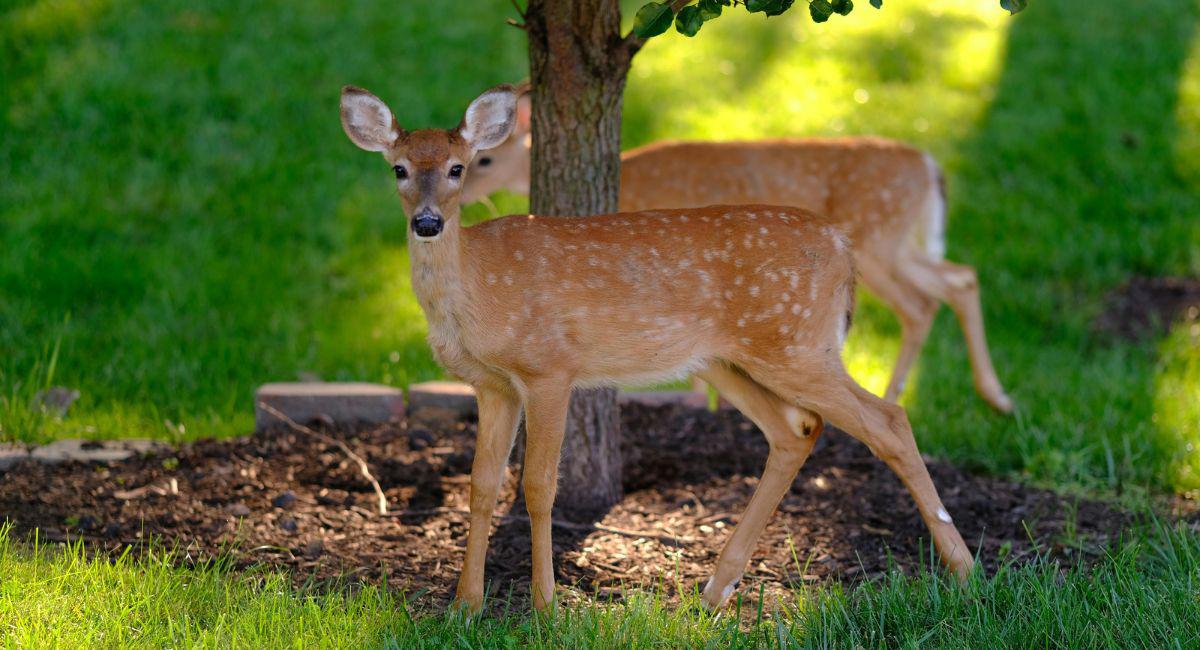
Perhaps one way to control ticks is to treat the animals that they feed on. That’s what researchers are preparing to study.
Recently, the U.S. Department of Health and Human Services announced nearly $3mm in research funding to investigate some out-of-the-box approaches to tick control. Among those approaches is providing specially treated feed for deer and rodents to determine whether treating these animals can help reduce local tick populations.
This doesn’t mean Nashville-area homeowners will be filling backyard feeders with tick-control-laden deer feed. These unorthodox research projects are designed to determine whether the tick life cycle can be interrupted by targeting the animals they depend on.
In places like Middle Tennessee, where deer sightings and tick encounters are anything but rare, this could yield meaningful results for future public-health tick control strategies.
What’s the Connection Between Deer and Ticks?
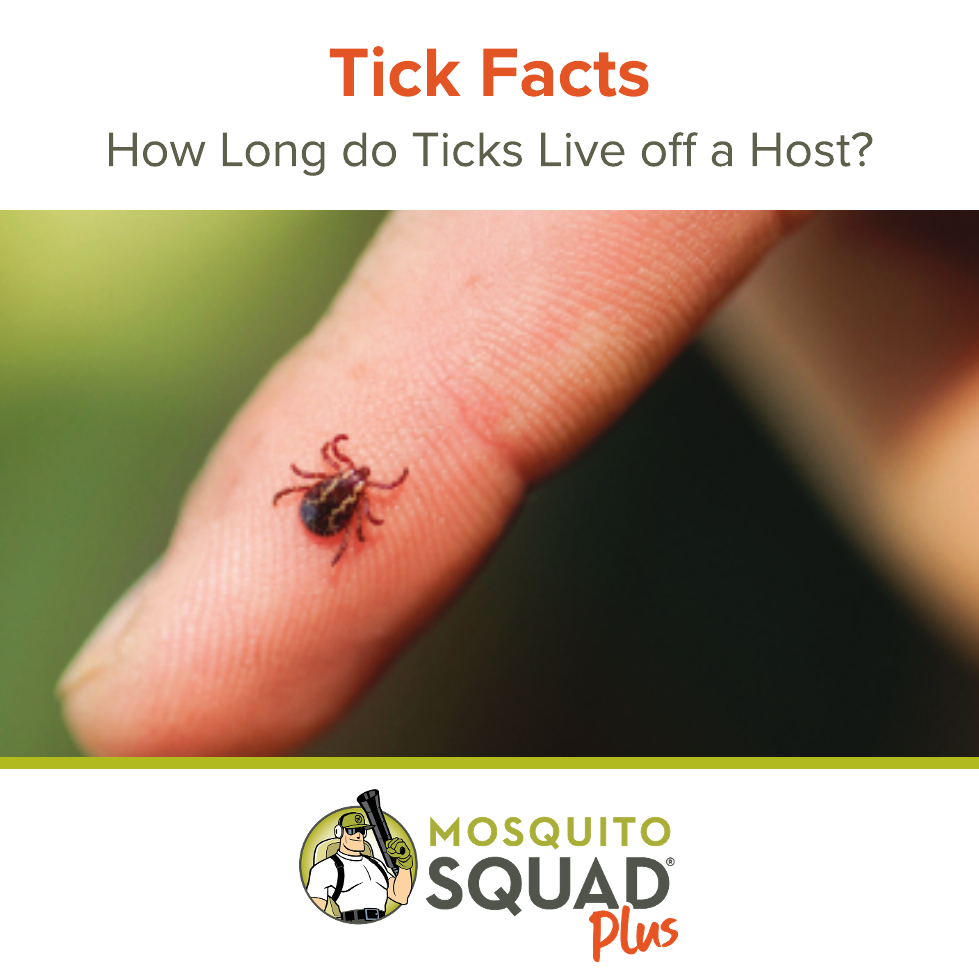
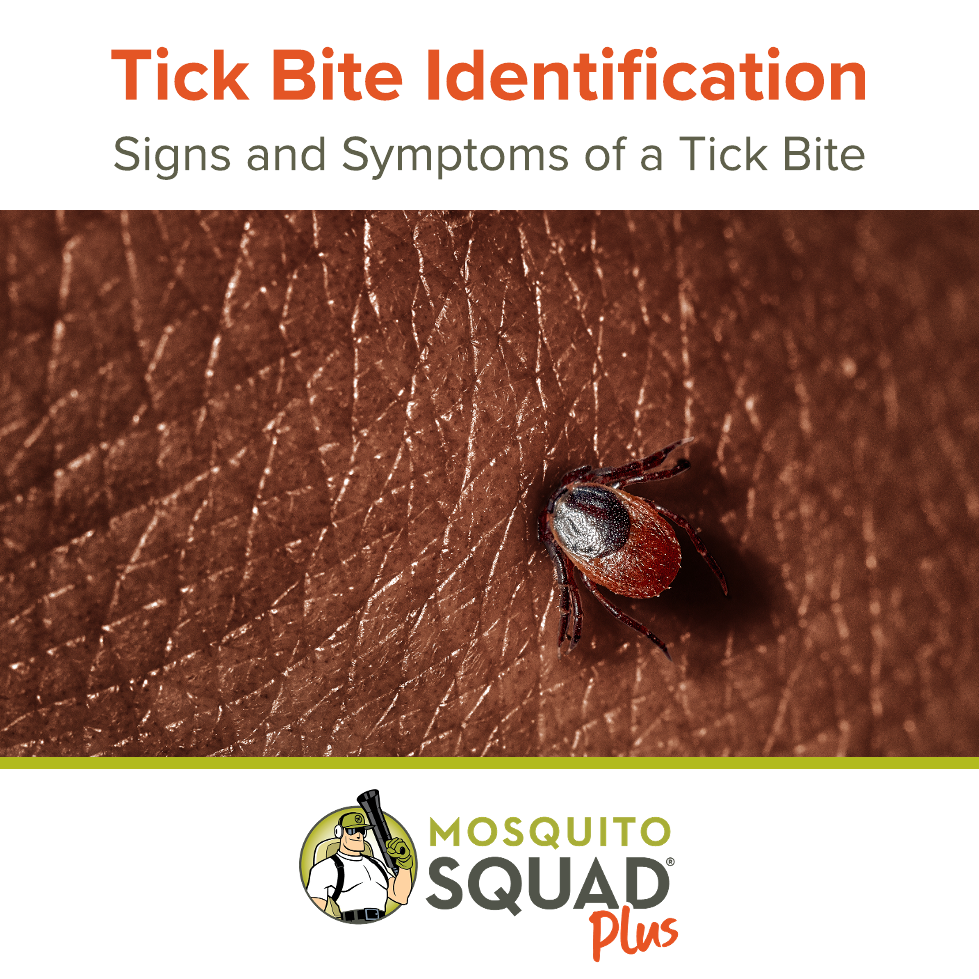
Ticks don’t spend their lives on one animal, but they require blood meals to move through their life stages and ultimately reproduce. They depend on wild animals, like deer and mice, to maintain their populations – and recently, populations have increased in many places across the country.
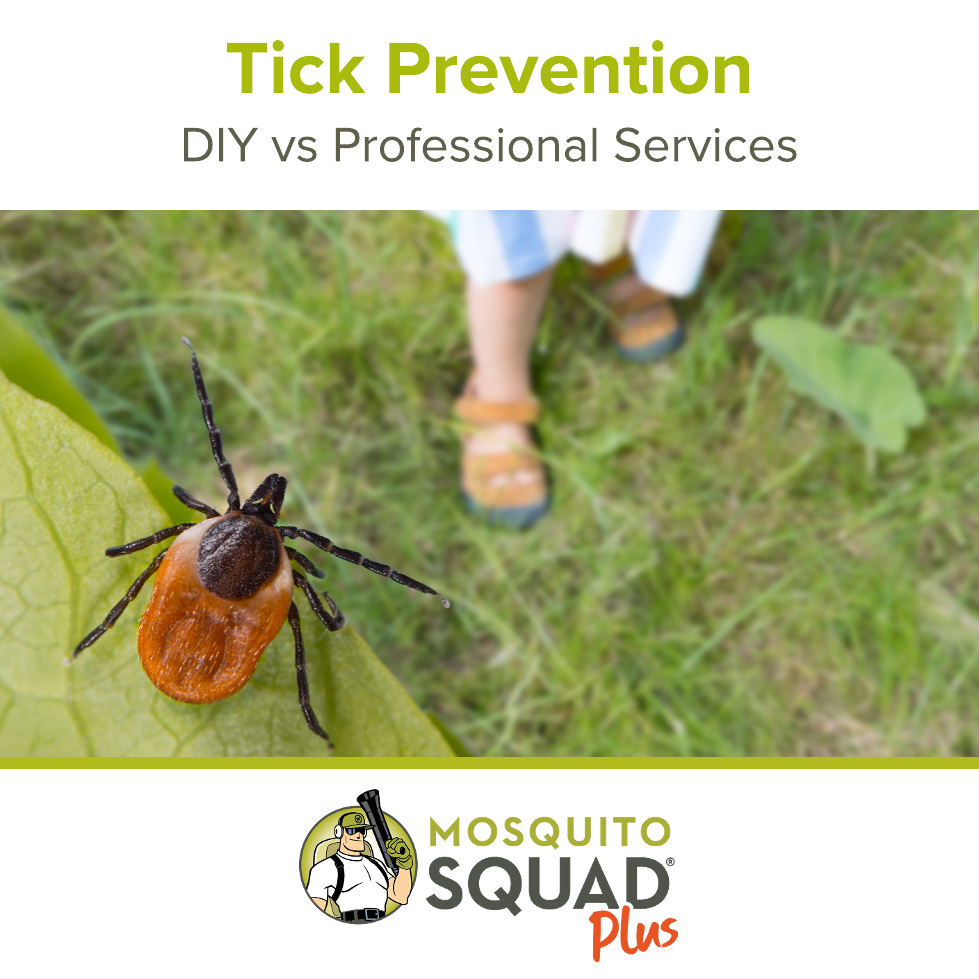
Many ticks spend much of their lives out in the natural environment, clinging to vegetation, waiting for a suitable host to pass by close enough for them to grab onto. Depending on the tick species and stage of life, the unfortunate host might be a mouse, bird, rabbit, dog, deer, or human.
But deer are particularly important hosts for blacklegged ticks (also known as deer ticks), as well as lone star ticks.
An adult female tick of that successfully feeds on deer will eventually drop and proceed to lay thousands of eggs. And that’s not hyperbole. A blacklegged tick can lay up to 3,000 eggs, while a lone star tick can lay up to 8,000 eggs – in a single batch.
Researchers are eager to learn if treating deer with acaricide, a substance that is designed to kill ticks and mites, could prevent enough ticks from completing that essential blood meal to make a noticeable dent in the surrounding tick population.
Could this be a method of prevention that finally allows us to meaninfully decrease tick populations and lower our chances of unwanted tick encounters? Perhaps. But because it’s experimental research, there won’t be special wildlife feed or tick control products available to the public.
Researchers will have to determine how effective these tick control strategies are, and how they might be implemented safely.
It’s important to understand that if you see deer in your yard, you’re not guaranteed to have ticks too. And likewise, eliminating deer visits wouldn’t eliminate every tick from a property.
Where Do We Offer Tick Control?
Mosquito Squad Plus of Nashville is pleased to offer mosquito control, tick control, as well as expanded outdoor pest control services, including flea control, throughout these areas in Davidson County, Wilson County, Sumner County, Williamson County, and beyond.
- Murfreesboro Tick Control
- Hendersonville Tick Control
- Brentwood Tick Control
- Gallatin Tick Control
- Juliet Tick Control
- Lebanon Tick Control
- Belle Meade Tick Control
- College Grove Tick Control
Choose Mosquito Squad Plus for Nashville TN tick control!
Mosquito Squad Plus treats mosquitoes, ticks, fleas, and many more outdoor pests throughout the Nashville TN area! Contact us today at (615) 492-3662 or fill out our online form for your complimentary Nashville TN tick control assessment and treatment quote.
Our pest control packages and related services all come with a 100% customer satisfaction guarantee!