The Back Fence Line in Springboro Is Where Tick Season Actually Starts
Posted by Mosquito Squad Plus
April 13, 2026
Drive the newer subdivisions along Springboro's eastern edge on a clear April morning and the view from most backyards looks like a reasonable trade. Maintained lawn, good schools, easy access to I-75. What is harder to see from the patio is what sits beyond the back fence line. Caesar Creek State Park covers more than 10,000 acres of forested Warren County terrain, and the residential development that has defined Springboro's growth over the past two decades has pressed steadily toward it. The park's woodland does not stop at the property line. The white-tailed deer, the white-footed mice, the chipmunks moving through the leaf litter at the edge of those lots, they do not stop there either.
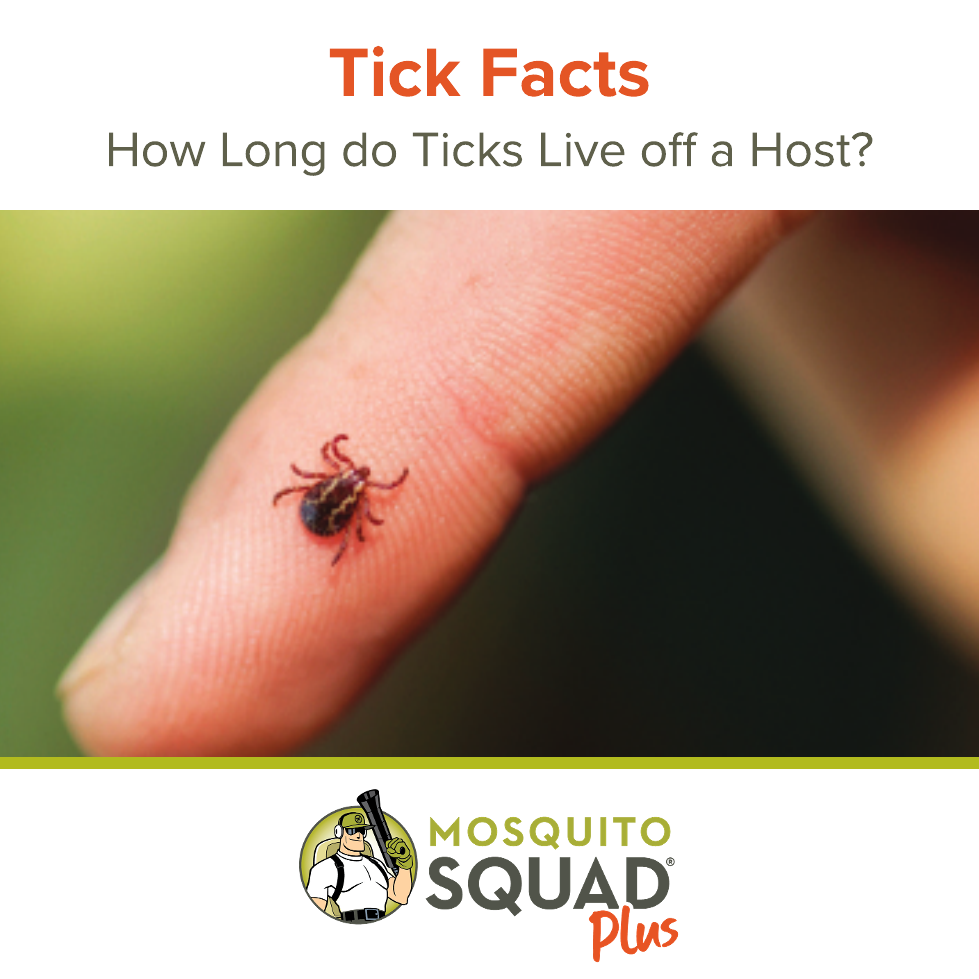
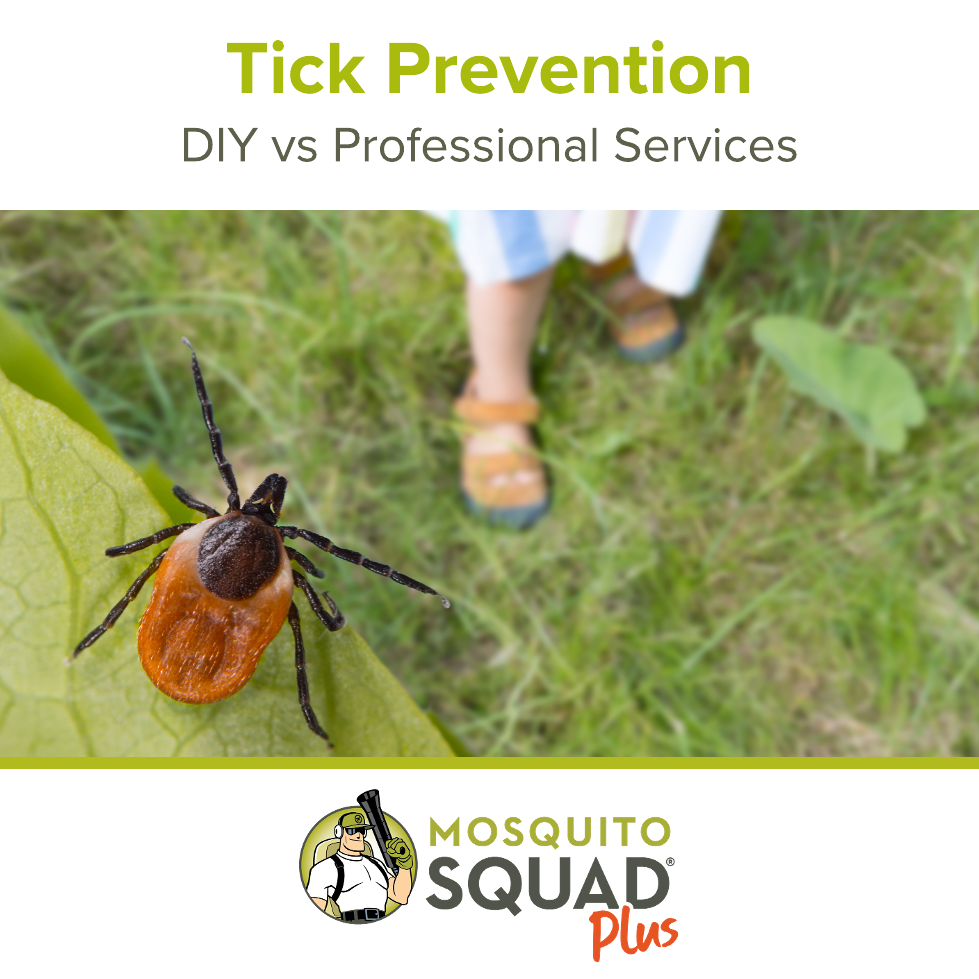
It is early April. The nymphal blacklegged ticks that represent the most significant disease transmission risk of the entire year are entering their active period right now. They are in the leaf litter along the back fence, in the low brush at the wooded lot edge, and in the transitional zones between maintained lawn and the terrain that connects back into the Caesar Creek corridor. Most Springboro families will not think about tick control until someone finds one. By then the most dangerous window of the season is already open and running.
What the Caesar Creek Corridor Actually Means for a Residential Yard
This is not a vague claim about living near nature. The connection between Caesar Creek State Park and tick pressure in Springboro residential yards is specific and documented.
Penn State Extension's tick habitat guidance is direct: blacklegged ticks are most abundant in densely wooded areas and at the edges of woods, and ornamental plantings and mown lawns are far less attractive to them except where they abut the woods. A Springboro yard that backs up to wooded acreage or sits within the wildlife corridor connecting to Caesar Creek has that abutment built into its property line. The mowed lawn in the center of the yard is not the problem. The leaf-litter covered ground at the wooded edge of the lot is.
Research published in Environmental Entomology and reported by Entomology Today found that nymphal tick density was highest at the wooded side of the lawn-forest transition zone, specifically where the ground below trees was covered with leaf litter and scattered undergrowth. The study, contracted by the CDC as part of an effort to sharpen tick management targeting, confirmed that nymphs are not particularly mobile and tend to stay where they drop off hosts. If the microclimatic conditions at your back fence line are suitable, the population concentrates there season after season.
The wildlife moving that population into Springboro yards is the same wildlife that has always used the Caesar Creek corridor. White-tailed deer are the primary reproductive host for adult blacklegged ticks. White-footed mice and chipmunks are the primary hosts for larvae and nymphs, the stages that carry and transmit disease. University of Maine Cooperative Extension describes these small mammals as the infection reservoir for Lyme disease bacteria, with larvae feeding on infected mice and carrying that infection into the nymphal stage that bites humans the following spring. A property at the edge of a 10,000-acre wildlife park is not a property with occasional deer sightings. It is a property inside an active tick transport system that runs every year regardless of season.
How Lyme Disease Has Changed in Warren County
The tick problem facing Springboro homeowners today is not what it was a decade ago.
OSU Extension documents that Lyme disease cases have increased 17-fold in Ohio in the past decade and that blacklegged ticks are now established in 61 Ohio counties. Warren County sits in the region where the Ohio Department of Health has documented blacklegged tick populations expanding into suitable wooded habitats throughout the state. Caesar Creek's forest corridor provides exactly that habitat, immediately adjacent to the residential lots that have been built toward it.
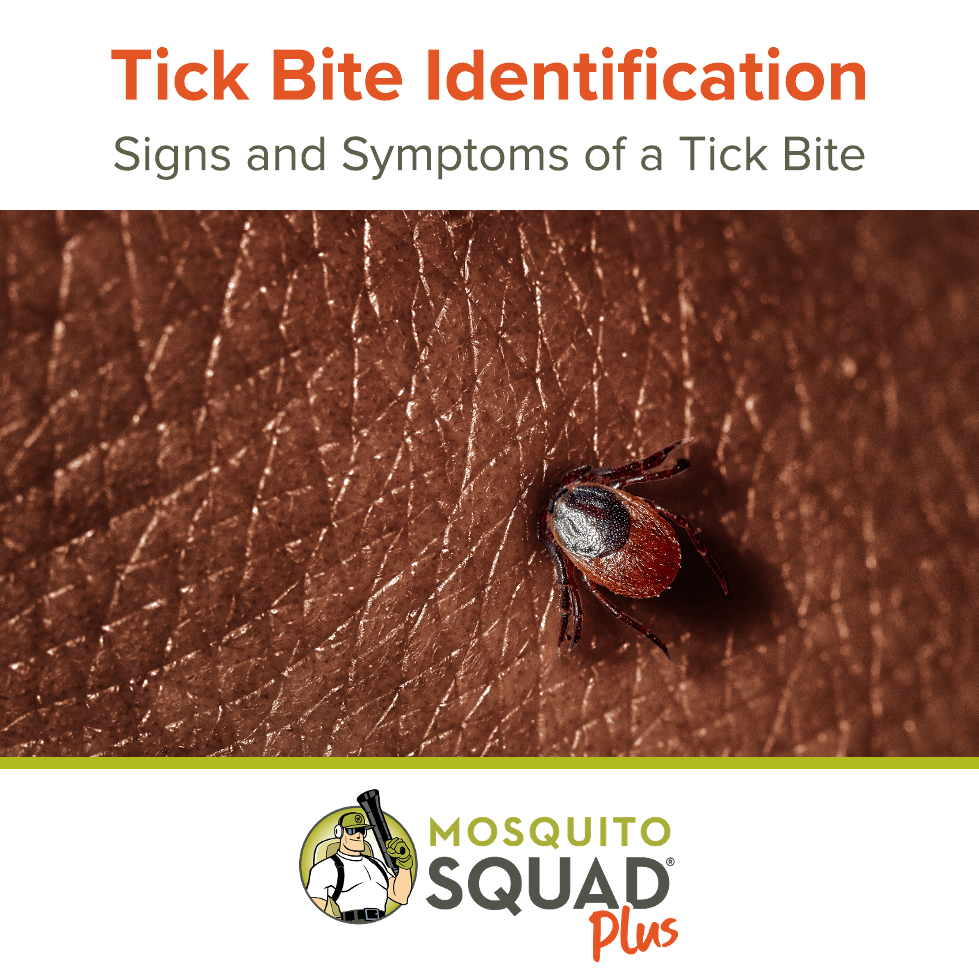
Understanding why spring is the most critical window requires understanding the nymphal stage. Nymphs are approximately the size of a poppy seed, translucent to slightly gray, and their peak activity runs from April through early summer. They are the most likely transmission vector not because they are more dangerous than adults but because their size makes them nearly invisible during the 36 to 48 hours needed for Lyme disease bacteria to transmit. A child who comes inside after playing near a wooded edge on a Saturday in May is far more likely to have been bitten by a nymph than an adult tick, and far less likely to have found it during a tick check. That combination is why the spring window matters more than any other part of the season, and why getting ahead of it in early April is qualitatively different from reacting to it in June.
The same pressure that drives spring activity does not disappear in summer. The CDC documents that blacklegged ticks remain active through fall and that adult ticks can quest on any day winter temperatures are above freezing. For a property with forest edge exposure, there is no true off-season. There is a high-pressure window from April through October and a lower but persistent risk the rest of the year.
What Springboro Homeowners Run Into
It usually starts the same way.
Spring arrives, the yard looks fine, and the first genuinely warm weekend pulls everyone outside. The kids are in the back corner near the fence. The dog is running the perimeter. Nobody is thinking about ticks because nothing has happened yet and the lawn looks exactly the way it always does.
Then someone finds one. Not during the exposure. During the bath that night, or while putting a child to bed, or when the dog sits still long enough to let you run a hand through the fur behind its ear. Small, dark, already partially attached. The kind of thing that stops a Saturday evening cold.
The yard gets walked the next morning. Nothing obvious turns up near the patio or in the open lawn, which makes sense because that is not where the problem lives. It is in the leaf litter at the base of the fence line. It is in the low brush at the wooded edge where the property meets whatever borders it. It is in the damp, shaded corner that never quite dries out after rain. University of Rhode Island's TickEncounter resource center documents that blacklegged ticks are encountered predominantly in deciduous forest and in tall grasses and shrubs bordering forest edges. The open turf between the patio and the back fence is genuinely low-pressure terrain. Everything just beyond it is not.
So the granular product from the hardware store goes onto the open lawn because that is the part of the yard that feels manageable and visible. The tick check routine gets more serious. Both are reasonable responses to finding something on your child. Neither one addresses the population in the edge zones that produced it, and neither one changes what happens the next weekend when the kids are back outside and the dog is running the fence line again.
How Treating the Right Zones Changes the Outcome
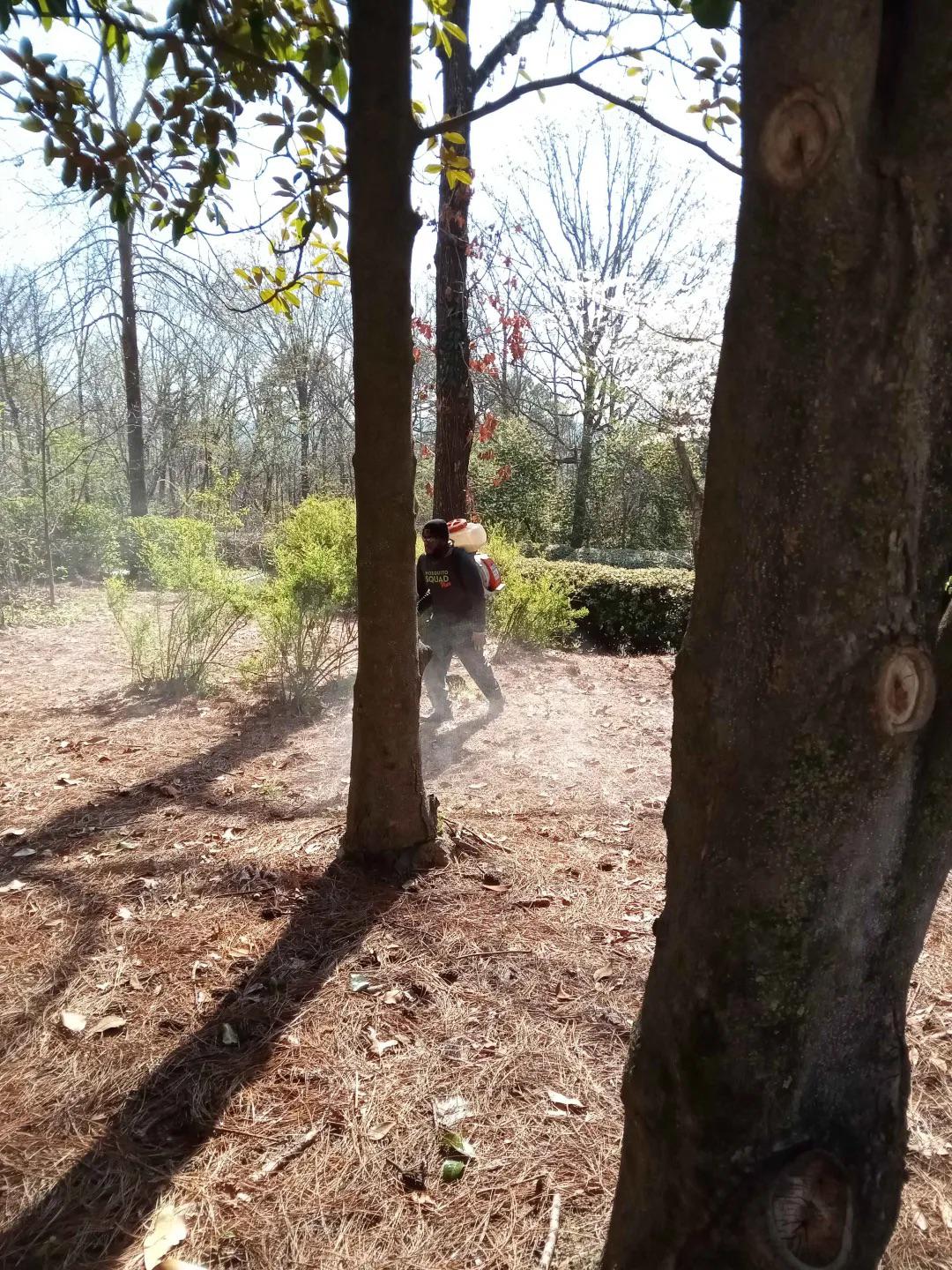
The logic of effective tick control in a yard with Caesar Creek corridor exposure is the same regardless of the season. The wooded lot lines, the leaf litter accumulation along the back fence, the brushy areas adjacent to drainage easements, and the low vegetation in the transition zone between maintained lawn and the corridor beyond, those are the treatment targets. They are the targets in April and they are the targets in August. What changes with the season is the life stage that is most active and therefore most likely to encounter a family member.
A spring treatment focused on the nymphal peak, beginning in early April in Warren County, intercepts the most dangerous stage before it reaches the parts of the yard where people actually spend time. That is not a different strategy from what works in summer or fall. It is the same perimeter-focused approach applied at the moment when the risk is highest and the population is most vulnerable to disruption.
Kettering properties backing up to wooded drainage corridors see comparable pressure for the same terrain reasons, and so do South Dayton homeowners whose lots border natural areas along the Great Miami corridor. The specific wildlife source is different but the edge zone dynamic is identical: maintained suburban lawn pressing up against unmaintained natural area, with wildlife moving freely between the two in every season.
When to Start and What to Watch For in Springboro
Early April is the right window for first treatment in most Warren County years. Not because ticks appear suddenly in April, they have been present in lower numbers through winter, but because the nymphal population that drives the highest human exposure risk activates with warming soil temperatures and reaches peak density through May and June. Getting ahead of that curve means the spring and early summer weeks when families spend the most time outside are the protected ones.
The specific indicators in a Springboro yard that tell you the season is building: deer tracks in soft soil along the back fence after a wet morning in March or early April. The dog sitting unusually still while you find something at the base of its ear after a yard session. A child coming inside from the wooded edge of the yard with a bite that develops slowly over the next 12 hours rather than immediately. None of these are dramatic warning signs. They are quiet signals that the edge zones are active and the season is already several weeks in.
Beavercreek and Xenia homeowners with similar wooded edge exposure see this same early activation pattern. The Bellbrook blog covers what the Little Miami corridor does to pest season timing in that part of Greene County, and the Centerville blog explains how the spring pest calendar builds across this broader corridor of Warren County communities. Both are worth reading if you want the full picture of how the south Dayton market pest season operates.
The Caesar Creek corridor is not going anywhere. The deer that use the fence line at the back of a Springboro yard are not going anywhere either. What changes is whether the edge zones are managed when the season peaks or not. Reach out to Mosquito Squad Plus to get the perimeter addressed before the nymphal window is fully open.