Pest Control in Madeira, OH: What a Compact Established Suburb Actually Brings to the Season
Posted by Mosquito Squad Plus
May 4, 2026
Madeira is small. Three and a third square miles, all of it residential or commercial, bordered tight by Indian Hill to the east and Madisonville to the south and Silverton to the west. That compactness is part of what gives the city its character. It also produces a pest control season that runs differently than what homeowners experience in the larger inner-ring suburbs nearby.
Drive through Madeira on a May evening and you will see what defines the property pressure. Tightly spaced lots. Mature canopy on streets that have been residential for over a century. Older established gardens that have been worked by the same families for thirty or forty years. Detached garages, original detached porches, decades of accumulated landscape architecture. The visual character of the city is one of its strongest selling points. It is also the reason mosquito and pest control here is not a one-size-fits-all conversation.
This piece is about what is actually moving through a typical Madeira yard during the active season, what makes it different from the surrounding suburbs we covered in our Blue Ash and Deer Park pest season blog, and what an effective treatment program looks like on a compact established lot in this part of Hamilton County.
What Makes Madeira's Geography Different
Madeira was incorporated in 1910 as a railroad town, originally established along the Marietta and Cincinnati Railroad line that ran between Cincinnati and Parkersburg. The compact city plat reflects that origin. Streets run on magnetic north rather than true north, and longtime residents will tell you Miami Road sits about three degrees west of true north because of how the early surveyors laid the section lines. The city nearly doubled in area when it annexed South Kenwood from Columbia Township in 1970, but even after that growth Madeira remains physically small. The neighborhoods like Madeira Pines and Fox Chase sit in tightly packed configurations with significant tree cover and minimal undeveloped land between them.
That density matters for pest pressure. A pest population active on one property in this city has a much shorter distance to travel before it reaches the next property. Mosquito flight ranges, tick movement on host wildlife, ant foraging routes, and spider migration all operate on scales that mean what one homeowner does or does not address on their own lot affects the immediate neighbors more directly here than in suburbs with larger lot setbacks.
The boundary with Indian Hill on the east edge of the city adds another layer. Indian Hill is one of the most heavily wooded affluent communities in Hamilton County, with bridle trails, conservation easements, and large lots that maintain mature canopy across hundreds of acres. The eastern edge of Madeira sits directly adjacent to that wooded corridor, and the wildlife movement, tick dispersal, and seasonal pest pressure that Indian Hill's character produces does not stop at the municipal boundary.
What Mosquito Pressure Looks Like on a Compact Madeira Lot
The mosquito species working a typical Madeira property come from two distinct biology categories with different habits and breeding patterns.
The Asian Tiger mosquito, Aedes albopictus, is the species most homeowners encounter first because it bites during the day rather than at dusk. It breeds in extremely small water sources — a tablespoon in a clogged section of gutter, the saucer under a flowerpot, a low spot in a flagstone path that holds water for three days after a rain. On a compact Madeira lot with multiple structures (the house, a detached garage, a shed, a covered porch), the number of micro-breeding sites available to this species is meaningfully higher per square foot than on a larger suburban lot.
The Culex mosquito, the primary West Nile vector in Hamilton County, breeds in larger standing water with organic content. Storm drains, retention basins, neglected ornamental ponds, and any drainage feature that holds water for more than a week serve as Culex production zones. The Cincinnati Health Department reported 24 West Nile positive mosquito pools in 2024, well above the 10-year average of six. Hamilton County Public Health confirmed the county's first human West Nile case of 2025 in Sycamore Township, which sits just north of Madeira's boundary.
Both species rest during the day on the underside of leaves, in dense shrub borders, and along shaded foundation plantings that hold humidity through the afternoon. Madeira's compact lot configurations and mature plantings produce more of that resting habitat per acre than newer suburbs with sparser landscape and less canopy. Effective mosquito control on a property here has to address both the breeding sites (small standing water, micro-containers, drainage features) and the adult resting zones (foundation shrubs, fence-line vegetation, shaded property edges).
The Pest Profile Beyond Mosquitoes
Mosquitoes are the most visible pest pressure on a Madeira property, but they are not the only one driving treatment decisions in this community.
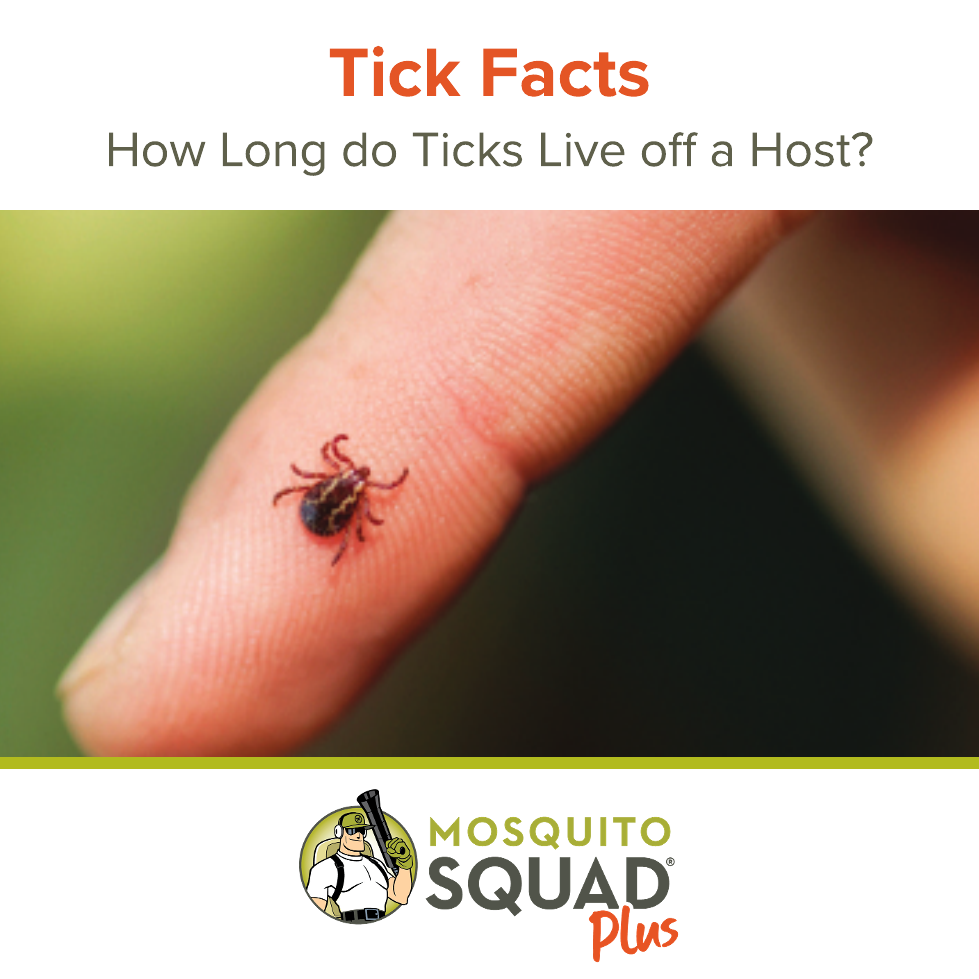
Ticks are present on nearly every Madeira lot that backs up to Indian Hill's wooded eastern boundary, and they reach into properties further west through wildlife corridors and bird-dispersal routes that move tick populations across the city. Ohio State University Extension documents three primary disease-carrying tick species established in Hamilton County: the blacklegged tick (Lyme disease vector), the American dog tick, and the Lone Star tick (alpha-gal syndrome and ehrlichiosis). The blacklegged tick concentrates in the transition zones between maintained lawn and unmaintained vegetation, which on a Madeira property includes garden bed edges, the strip behind detached garages, the area along older fence lines, and any yard backing up to wooded green space. The Lone Star tick actively pursues hosts and can cross open lawn to reach a target.
Ant pressure is different here than in newer Hamilton County suburbs because the housing stock is older and the foundations have had more time to develop entry points. Pavement ants nest in slab cracks and patio joints. Odorous house ants move into kitchens through plumbing penetrations and cabinet seams. Carpenter ants establish in moisture-damaged wood around original window frames, sill plates, and porch attachment points on homes that were built in the early 1900s through the 1950s. The compact older housing stock that defines Madeira produces more of the conditions all three species use than newer construction does.
Spiders, particularly the common biters like wolf spiders and yellow sac spiders, concentrate in basements, garages, and outbuildings on older Madeira properties. The detached garages and original outbuildings that are common features of Madeira's residential streets are exactly the kind of structures that develop spider populations over decades, and they sit close enough to the main house on a compact lot that the spiders move between structures readily.
A combined mosquito barrier treatment program addresses the seasonal mosquito pressure across the active season, while broader pest control work targets the structural pest pressure that older Madeira homes accumulate throughout the year.
What Older Housing Stock Specifically Produces
Madeira's housing inventory runs heavy on pre-1970s construction. Craftsman bungalows, mid-century brick ranches, original two-stories on the historic streets near Miami Avenue, and infill homes from the 1980s through 2000s in subdivisions like Madeira Pines and Fox Chase. The compact lot configurations mean the houses sit closer together than typical suburbs, and the older homes carry features that compound pest pressure over decades.
Drainage on smaller lots is harder to manage. The Centers for Disease Control and Prevention documents that any standing water held for more than a week creates a mosquito production site. On a 1/4 acre Madeira lot with established trees, decades-old grading, and original drainage that may not have been updated since the 1960s, low spots, clogged sections of gutter, and slow-draining flagstone areas hold water reliably across the active season. Those features are not failures of property maintenance. They are physical features of older lots that need to be addressed structurally over time and treated tactically in the meantime.
Older foundations have had decades to develop hairline gaps around plumbing penetrations, expansion joints, and the seam where the foundation meets the wood framing. Each of those gaps becomes an entry point for ants, spiders, and other indoor pests. Original window frames where the caulk has failed, sill plates near plumbing stub-ups, and the underside of older porches and decks all become harborage zones over time.
The 7 T's of Mosquito Control framework, which covers the systematic property assessment we use on every treatment evaluation, applies directly to compact Madeira lots where the conducive conditions are concentrated rather than spread out.
What Actually Works on a Madeira Property
Effective pest control on a Madeira property is built around three components running together throughout the active season.
Recurring mosquito barrier treatment timed to the species pressure cycle. Asian Tiger mosquitoes start activating in late February or early March in Hamilton County, with peak production through summer. Culex mosquitoes peak later in the season, with West Nile virus positive pools typically appearing in July through September. A treatment program that runs on a recurring cycle from late March through October addresses both species across the full active window rather than trying to react to bites after the population has established.
Targeted treatment of pest pressure points on older housing stock. Foundation perimeter, expansion joints, plumbing penetrations, the underside of porches, the soil-to-wood contact zones around the property. These are the structural conditions that compact older homes accumulate and that newer treatment approaches built for slab subdivisions do not address directly. The Home Shield program is built around the kind of recurring, targeted indoor and outdoor pest treatment that an established Madeira property actually benefits from.
A relationship with a team that knows compact older Hamilton County housing stock. We are headquartered at 4264 Matson Avenue in Deer Park under License No. 103938, and we serve Madeira alongside Norwood and the surrounding inner-ring Cincinnati communities. Our experience working compact lots and older housing stock in this corridor is what shapes how we approach each property's specific pressure profile.
A Practical Walk Around Your Madeira Property
An hour outside with the following will tell you most of what an inspection will need to address.
Walk the foundation perimeter slowly. Look at the seam where the foundation meets the wood framing. Look for hairline gaps around plumbing or utility penetrations. On a compact lot with limited setbacks, foundation issues are often hidden behind shrub borders that have grown up against the structure over decades.
Check the gutters and downspouts. Standing water in clogged gutters produces mosquitoes on a four-to-seven day cycle. On a Madeira house with mature trees overhanging the roofline, gutter maintenance has direct mosquito implications.
Walk the back property line and any boundary that adjoins Indian Hill, a wooded park edge, or naturalized vegetation. Those transitions are where ticks concentrate and where wildlife pest pressure enters the property.
Look at the detached structures. Detached garages, sheds, original outbuildings. These accumulate pest harborage faster than the main house and often go uninspected for years.
Check for low spots that hold water after rain. Walk the property the day after a real rain event and note where water sits longer than 24 hours. Those spots are working production sites for the Asian Tiger mosquito and need to be addressed.
Schedule a free property inspection to get the property evaluated by a team that knows compact older Hamilton County housing stock. The inspection is free and the recommendations match what your specific property actually needs across the active season.