What the Ridge and Valley Terrain Means for Tick Season in Cleveland
Posted by Mosquito Squad Plus
April 16, 2026
Cleveland sits in the Great Appalachian Valley in a way that most people who live here understand visually but rarely think about ecologically. The parallel ridges running north-northeast through Cleveland and Bradley County, Candies Creek Ridge through the center of the city, Mouse Creek Ridge and Blue Springs Ridge flanking it to the east and west, are extensions of the Ridge and Valley Appalachians. Elevations in Cleveland range from just under 700 feet in the valley floors to nearly 1,200 feet at the ridge tops. Those ridges are not decorative. They define the ecological character of every wooded lot line, every drainage creek running between them, and every residential yard that sits at the edge where cleared suburban land gives way to the forested slope climbing toward the ridge.
That transition zone is where Cleveland's tick season lives. Not in the open lawn near the house. Not in the managed turf of the backyard. In the wooded edge where the maintained property boundary meets the slope, the creek drainage, or the forested buffer connecting one neighborhood to the next. It is where the tick population concentrates, and understanding why requires understanding what this terrain actually is and what moves through it.
The Terrain That Defines This Market
Bradley County's terrain features extensive mixed hardwood forests covering a significant share of its 329 square miles, with the ridge-and-valley topography producing forested slopes, creek drainages between ridges, and a landscape that transitions continuously between maintained residential land and wooded corridors. That continuous transition is not incidental to Cleveland's tick pressure. It is the source of it.
Fletcher Park on Tennessee Nursery Road in northern Cleveland encompasses 720 acres of wooded terrain featuring over 100-year-old hardwood trees and a five-mile trail system. The park documentation describes trails winding through very thick woods, open fields, and marshy areas, with bridges built over wet areas. That character, dense mature hardwood canopy over moisture-holding low areas with marshy pockets and creek crossings, describes exactly the microhabitat that Tennessee Department of Health surveillance documents as most productive for the tick species active in Bradley County.
Red Clay State Historic Park in southern Bradley County encompasses 263 acres of forested ridges and narrow valleys along the Tennessee-Georgia state line. Tennessee State Parks documents the park as home to deer, squirrels, and other native wildlife, with lush forested ridges averaging over 200 feet above the valley floor. The park sits embedded in the residential corridor of southern Cleveland. The deer and wildlife that use its forested terrain do not recognize the park boundary as a property line. They move through the drainage corridors and wooded edges connecting the park to surrounding residential neighborhoods on a schedule driven by food sources and seasonal movement patterns, not by trail maps or property surveys.
Birchwood sits along the Hiwassee River and Chickamauga Lake corridor to Cleveland's northwest, where the terrain character shifts from ridge-and-valley to river bottomland. The tick story there is driven by a different water system and different wildlife movement patterns than what runs through Cleveland's residential neighborhoods along the Appalachian ridge corridor.
What the Tennessee Department of Health Data Says About This Region
This is not a background risk that Cleveland homeowners can reasonably ignore. The Tennessee Department of Health documents ehrlichiosis as the most reported tick-borne disease in the state in 2023, with cases rising consistently since 2015 and approximately 56 percent of confirmed cases resulting in hospitalization. The peak exposure window runs from April through June, which aligns precisely with the time Cleveland families are most likely to be spending time in their yards and near wooded property edges. Bradley County sits in the East Tennessee grand division, which accounts for 94 percent of the state's Lyme disease cases from 2013 through 2023.
Lyme disease cases in Tennessee reached 39 in 2023, an 18 percent increase from 2022, and cases have been rising steadily since 2014. The Tennessee Department of Health attributes this to the expansion of blacklegged ticks from the Northeast into Tennessee's suitable habitat, and specifically notes northern and eastern Tennessee as the areas of growing concern. Cleveland sits in eastern Tennessee, inside the Ridge and Valley Appalachians, at the exact geographic character the department identifies as most relevant to that expansion.
Peer-reviewed research published in the journal Emerging Infectious Diseases via the National Institutes of Health found blacklegged ticks established in 23 of 26 Tennessee Valley counties surveyed, with Borrelia burgdorferi infected ticks confirmed specifically in Hamilton County. Hamilton County borders Bradley County directly to the west. The researchers concluded that public health officials should be vigilant for increasing Lyme disease incidence in this region. Bradley County's ridge-and-valley terrain, mature hardwood canopy, and continuous forested corridor connecting residential properties to protected parkland place it squarely within the habitat conditions the research identified as supporting established blacklegged tick populations.
The Three Species Active in Bradley County
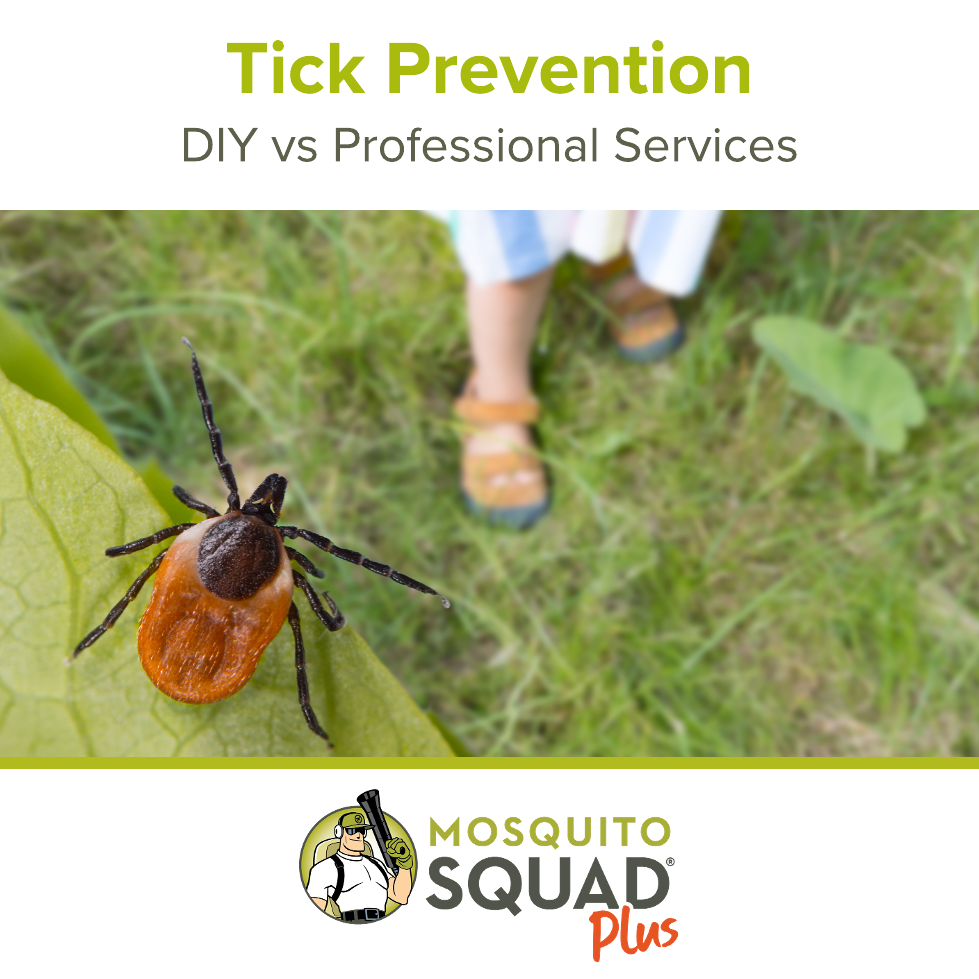
Three tick species drive most of what Cleveland homeowners encounter in their yards and along their wooded property edges, and they operate on different schedules with different behaviors.
The Lone Star tick is the one most families find first. The Tennessee Department of Health documents it as an aggressive species that actively pursues hosts rather than waiting passively on vegetation. It transmits ehrlichiosis, the most reported tick-borne disease in Tennessee, and its bite is now linked to alpha-gal syndrome, a permanent allergic reaction to red meat that develops weeks after a single bite. The CDC documents alpha-gal syndrome as an emerging public health concern with cases rising nationally. In Bradley County's wooded residential corridors, the Lone Star tick's aggressive behavior means encounters are not limited to trail edges or brush lines. It will cross maintained lawn to reach a host.
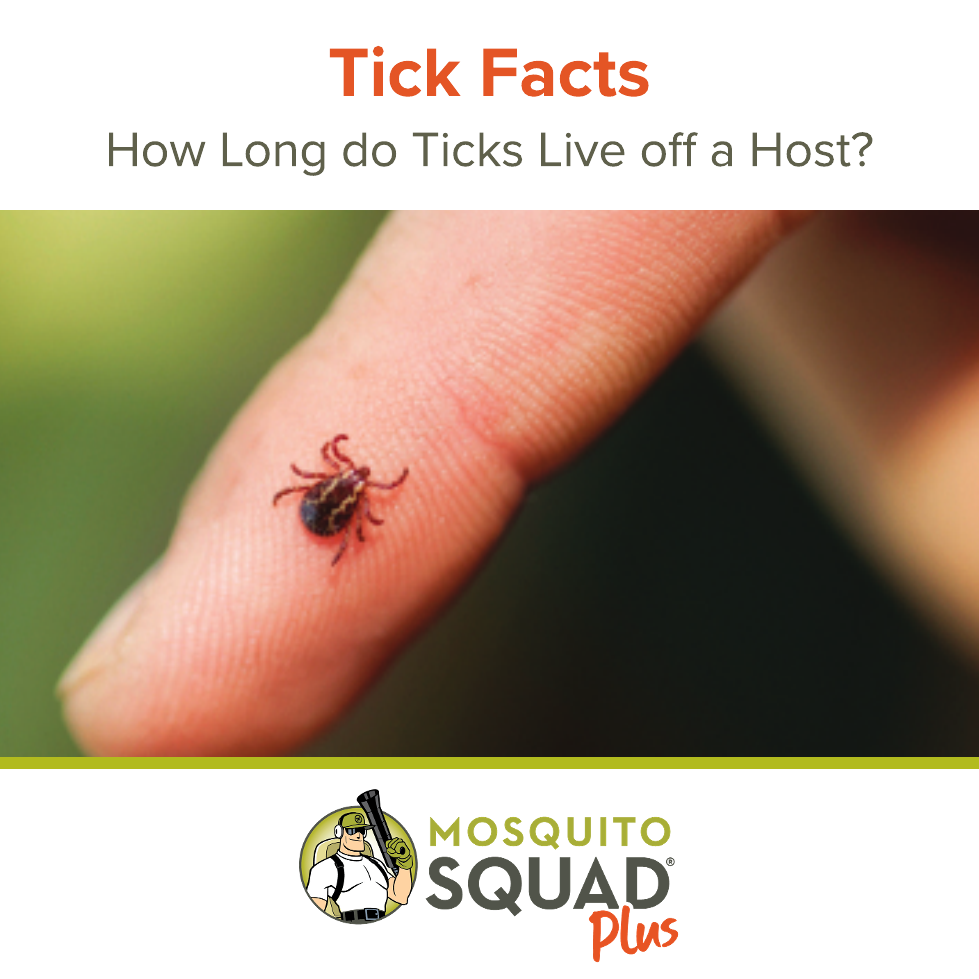
The blacklegged deer tick operates differently. University of Tennessee Extension documents it as a species that quests passively, climbing to the tips of low vegetation and waiting for a host to brush past. The CDC documents nymphal blacklegged ticks as actively questing from April through July and as nearly impossible to detect during the 36 to 48 hours needed for Lyme disease bacteria to transmit due to their poppy-seed size. Those nymphs are operating in Cleveland's wooded property edges right now.
The American dog tick completes the picture. Penn State Extension's tick habitat research documents it as most commonly found at the exact transition where mowed lawn meets wooded or overgrown vegetation. In a Cleveland yard where cleared residential property backs up to a wooded ridge slope or creek drainage, that transition is not a narrow strip. It is often the entire rear boundary of the property.
What Cleveland Homeowners Run Into
The character of Cleveland's residential neighborhoods, yards that sit against wooded ridge slopes, creek drainages running between parallel ridges, property edges that connect directly to the forested corridors threading through the ridge-and-valley terrain, creates a specific exposure pattern that most families do not fully account for when they first move here.
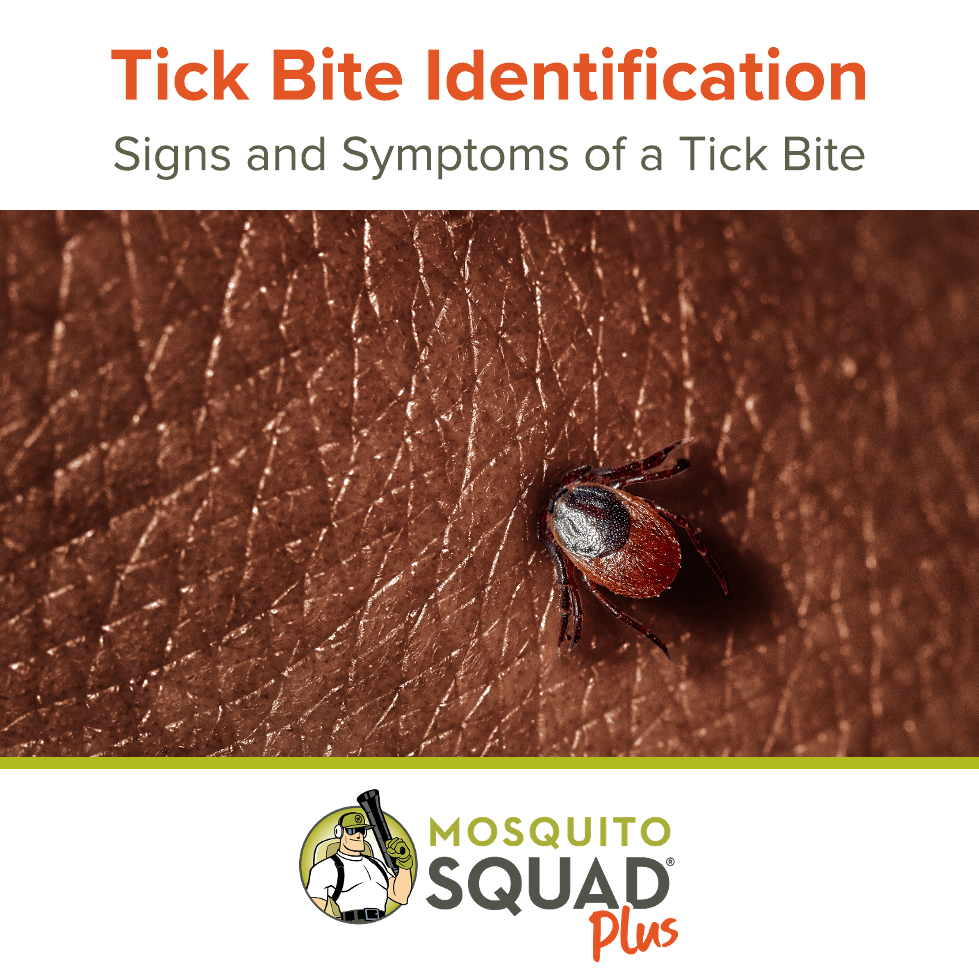
It does not announce itself. The first sign is usually the dog, sitting unusually still after an afternoon in the yard near the wooded back edge, something small and dark at the base of its ear that was not there before. Or a child coming inside from the far end of the yard with a bite that develops slowly over several hours near a sock line. The open lawn between the patio and the back fence is clean. The tree line fifteen feet past the fence is not.
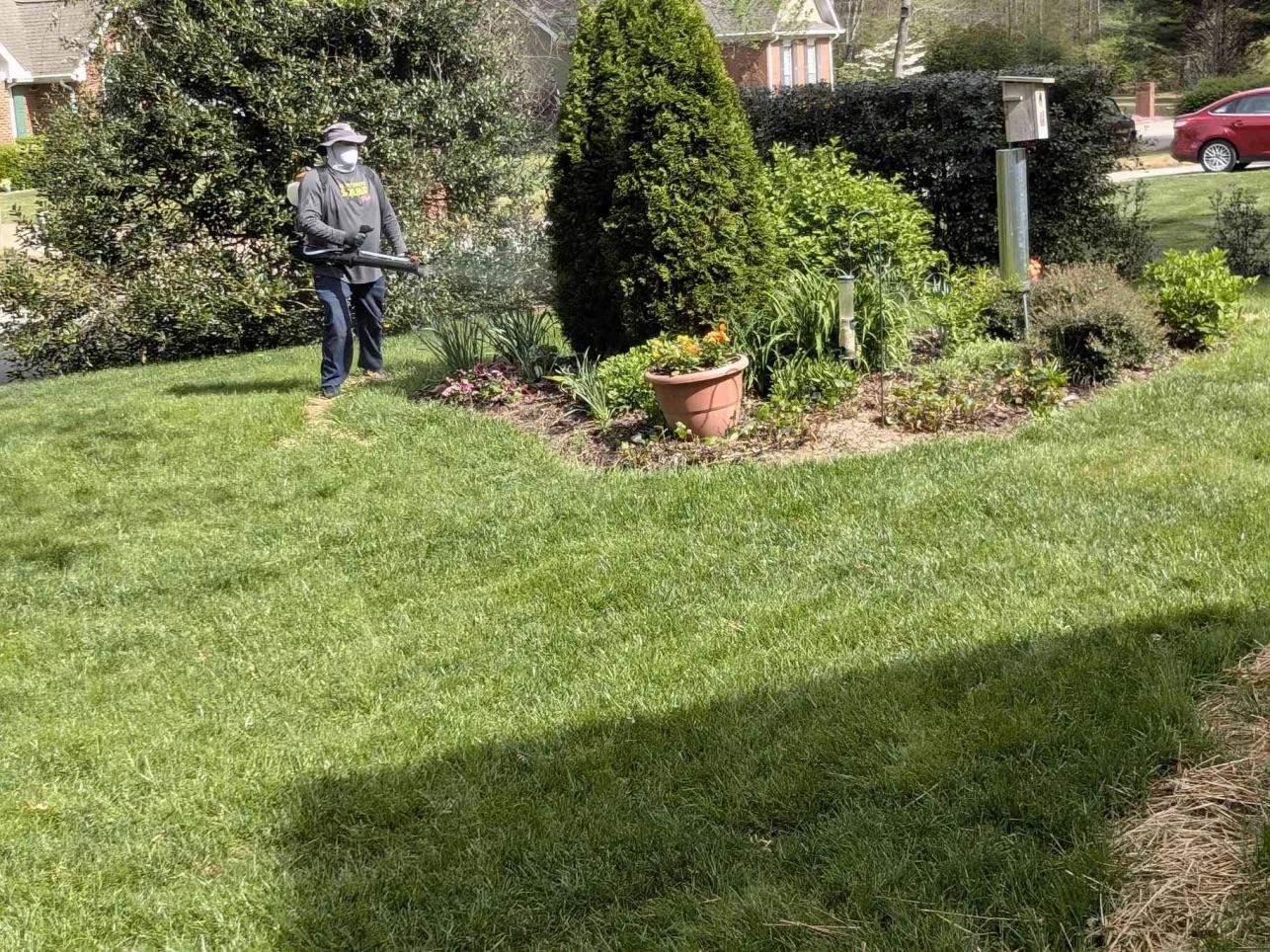
The response is usually to treat the areas near the house, the patio perimeter, the area around the fire pit, the mowed zones where the family actually spends time. That instinct is reasonable and those zones are the lowest-pressure areas on the property. The population that produced the encounter lives at the wooded edge and the brushy transition zones where the maintained yard gives way to the ridge terrain. A treatment program that targets those zones on a recurring schedule from early April through October intercepts the tick population before it reaches the maintained yard rather than reacting to it after an encounter already happened.
Cleveland's ridge-and-valley terrain means the reintroduction pressure is consistent throughout the active season. Wildlife moving through the Fletcher Park corridor, through the wooded drainages between Candies Creek Ridge and Mouse Creek Ridge, and through the forested connections between Red Clay's 263 acres and the surrounding residential properties continuously moves tick populations into residential yards from multiple directions. That is not a reason to avoid treating. It is the reason to start early and maintain the program without gaps.
When the Season Starts and What to Watch For
Early April is the window in Cleveland. The Tennessee Department of Health ehrlichiosis surveillance data shows exposure climbing from April with peak risk running through June. The blacklegged tick nymphal active period documented by the CDC begins in April and runs through July. Both peaks fall within the same window when Cleveland families are spending the most time outdoors in their yards and near wooded property edges.
The Ridge and Valley terrain moderates Cleveland's temperature swings somewhat compared to higher-elevation communities in the adjacent mountains, which means the tick active period begins reliably in early April most years. Afternoon temperatures in the mid-50s are sufficient for adult blacklegged tick activity. Lone Star tick larvae emerge in earnest once temperatures stabilize above 60 degrees, which in Bradley County typically happens in the last week of March or first week of April.
The specific indicators that tell you the season is already running: deer sign in soft soil along the wooded back edge after an April rain. The dog sitting still after a morning in the far corner of the yard. A child coming inside with something small and dark near the ankle after time near the tree line. None of these are unusual events in a Cleveland yard with ridge terrain at its back boundary.
Chattanooga homeowners deal with the Tennessee River valley character and its own terrain-driven tick story. The Hixson and Middle Valley tick blog covers what the North Chickamauga Creek corridor produces on the northwest side of Hamilton County. Cleveland's tick pressure comes from a completely different geological system, the Ridge and Valley Appalachians of Bradley County, and the parallel ridges, forested drainages, and hardwood corridors threading through the residential neighborhoods here create a tick calendar and exposure pattern that is specific to this community.
Mosquito Squad serves Cleveland and communities throughout the Chattanooga and Northwest Georgia area. The Chattanooga and NW Georgia team is available now. The Ridge and Valley terrain does not wait for May to feel like tick season on the calendar. Neither should your treatment program.