When Tick and Mosquito Season Starts on Cape Cod
Posted by Mosquito Squad Plus
June 3, 2026

Cape Cod Tick & Mosquito Control
Tick and Mosquito Season in Falmouth, Yarmouth & Mashpee: What You Need to Know
Protecting Cape Cod families, pets, and outdoor spaces from April through October — and beyond.
Call (508) 461-2010
April – May
🌱 Ticks Emerge
Deer ticks active above 40°F. Treatment season begins.
June – August
☀️ Peak Pressure
Highest mosquito & tick activity. Families most at risk.
September – October
🍂 Still Active
Adult deer ticks remain active through fall and mild winter days.
Strolling through your yard in Falmouth, Yarmouth, or Mashpee is one of the best parts of living on Cape Cod, but tick and mosquito season can turn that relaxing time into a real worry.
In this guide, you will learn when ticks and mosquitoes are most active on the Cape, the risks they bring to local families and pets, and the practical steps you can take to protect your property and enjoy the outdoors again.
For homeowners who want to keep enjoying their decks, lawns, and waterfront views without constant biting insects, understanding local tick and mosquito patterns is the first step.
Properties near marshes, wetlands, and conservation land throughout Falmouth, Yarmouth, and Mashpee face some of the highest tick and mosquito pressure on Cape Cod.
When Tick and Mosquito Season Starts on Cape Cod
Tick and mosquito activity on Cape Cod typically ramps up in spring as temperatures rise and moisture increases, then stays high through the warm, humid summer.
In Falmouth, Yarmouth, and Mashpee, that window often stretches from April through October, with peak pressure in late spring and mid to late summer when families are outside the most.
Ticks remain active on mild days even in cooler months, especially in shaded, brushy areas and along wooded edges around homes, which means yard work and dog walks can still carry some risk.
Mosquitoes tend to surge after heavy rains or periods of standing water, which are common near marshes, low-lying yards, and coastal properties that hold moisture longer than inland neighborhoods.
Because seasons can shift slightly year to year, it is smart to think of tick and mosquito season as a long stretch of the year rather than a short summer window.
Why Ticks and Mosquitoes Are a Big Concern on Cape Cod
Ticks and mosquitoes are more than just annoying. They can carry diseases that affect both people and pets on Cape Cod, which is why many local families treat them as a real health concern, not just a nuisance.
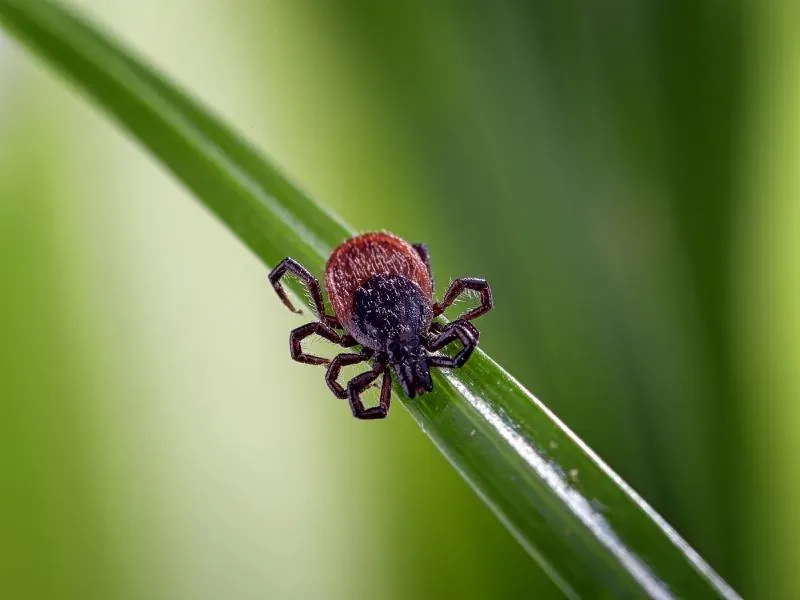
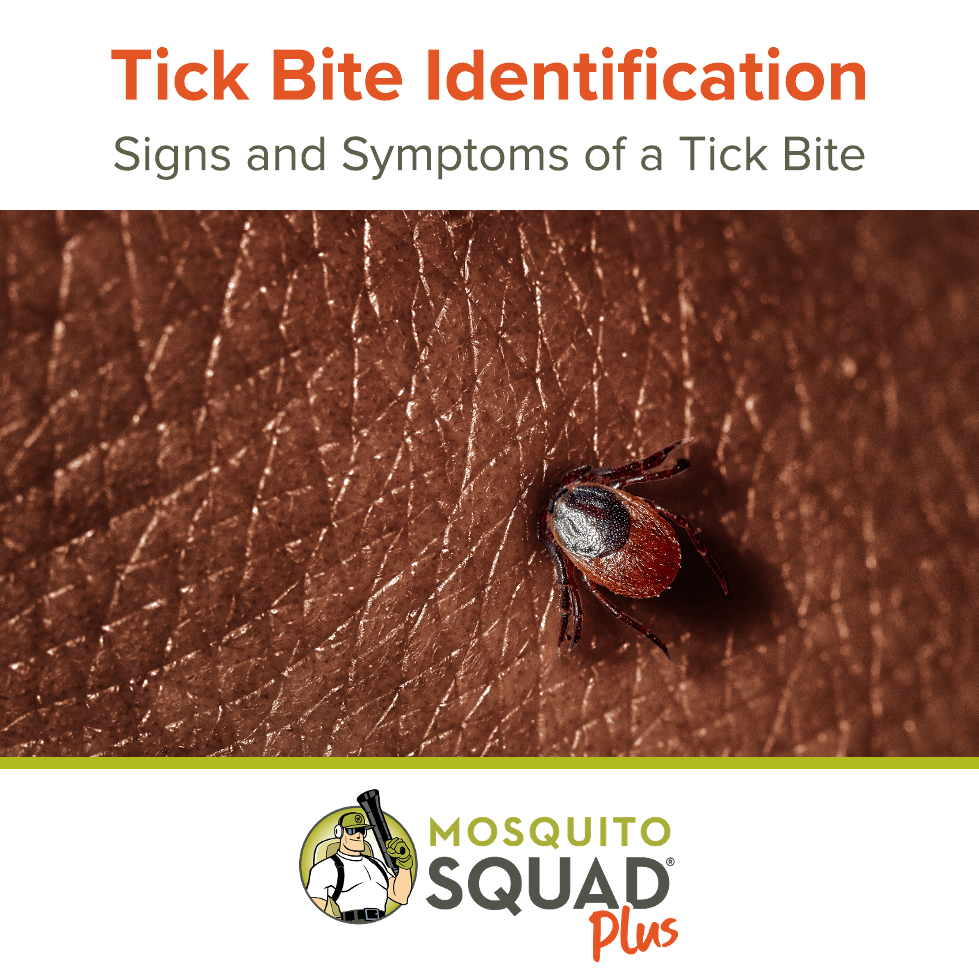
Blacklegged ticks, often called deer ticks, are associated with Lyme disease and other illnesses, and they thrive in tall grass, leaf litter, and overgrown landscaping around homes.
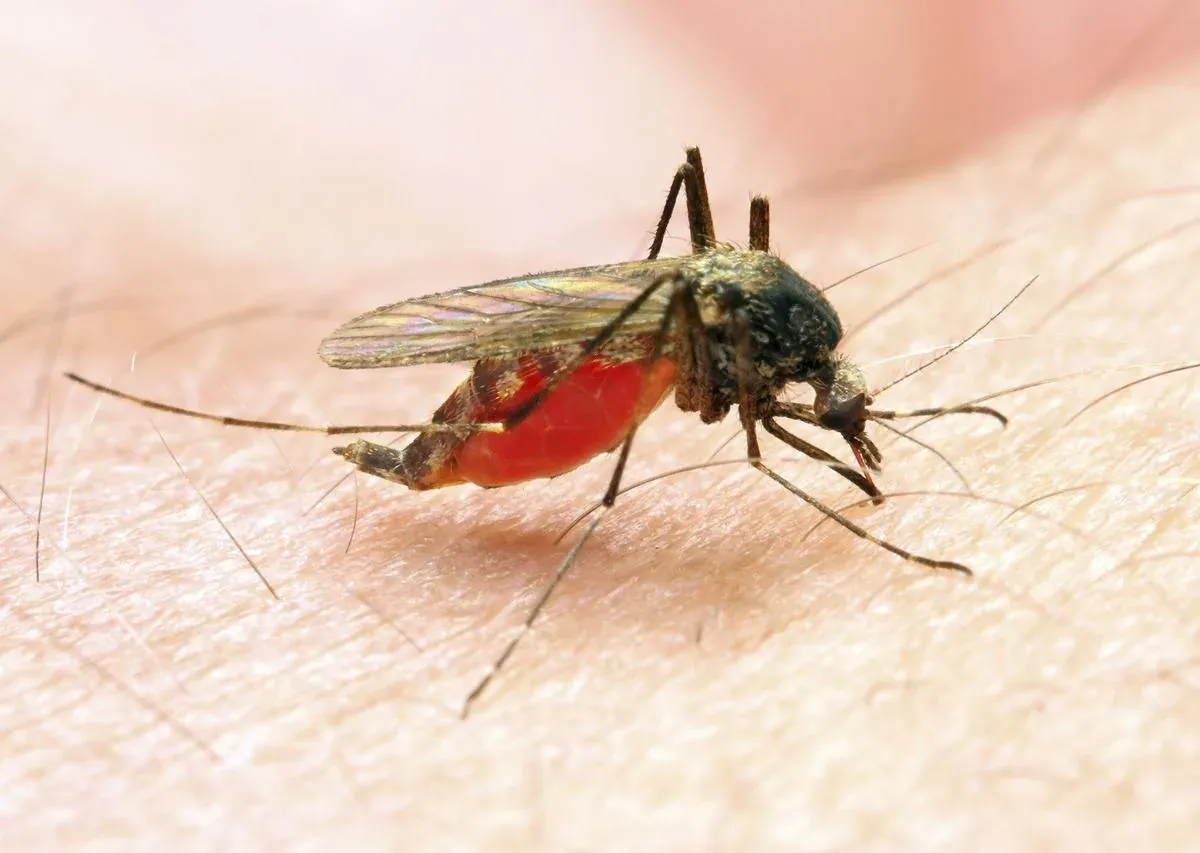
Mosquitoes in Massachusetts can carry and transmit illnesses like West Nile virus and Eastern Equine Encephalitis (EEE). In 2025, the CDC reported over 2,000 West Nile Virus cases across 47 states. EEE is rarer but far more severe — in 2024, a spike in cases resulted in 19 infections and 5 deaths throughout the northeast, including Massachusetts. There is no human vaccine for EEE, making mosquito control one of the most important protective measures available.
Families with children, older adults, or outdoor-loving pets may face higher exposure simply because they spend more time outside at dawn, dusk, and on warm evenings when these pests are most active.
Pet owners should also be aware that mosquitoes can transmit heartworm disease — a serious and potentially fatal illness caused by parasitic worms that live in an animal's heart, lungs, and blood vessels. Reducing mosquito pressure in your yard is one of the best ways to protect your pets alongside veterinarian-recommended prevention medication.
Ready to protect your yard before peak season?
Call (508) 461-2010
Local lifestyle factors that increase exposure
Cape Cod homeowners often host cookouts, spend time gardening, and enjoy evenings on decks and patios, which creates more opportunities for tick and mosquito contact during warm months.
Properties that back up to woods, marshes, or conservation land in Falmouth, Yarmouth, and Mashpee can have especially high pest pressure because wildlife, standing water, and dense vegetation all support tick and mosquito populations.
The deer tick (blacklegged tick) is the primary carrier of Lyme disease. About 38% of adult deer ticks on Cape Cod carry the bacteria, per Barnstable County health data. Mosquitoes surge after rain events and standing water — both common near Cape Cod's coastal properties and low-lying yards.
Common Tick and Mosquito Hotspots in Falmouth, Yarmouth & Mashpee
Tick habitats around your home
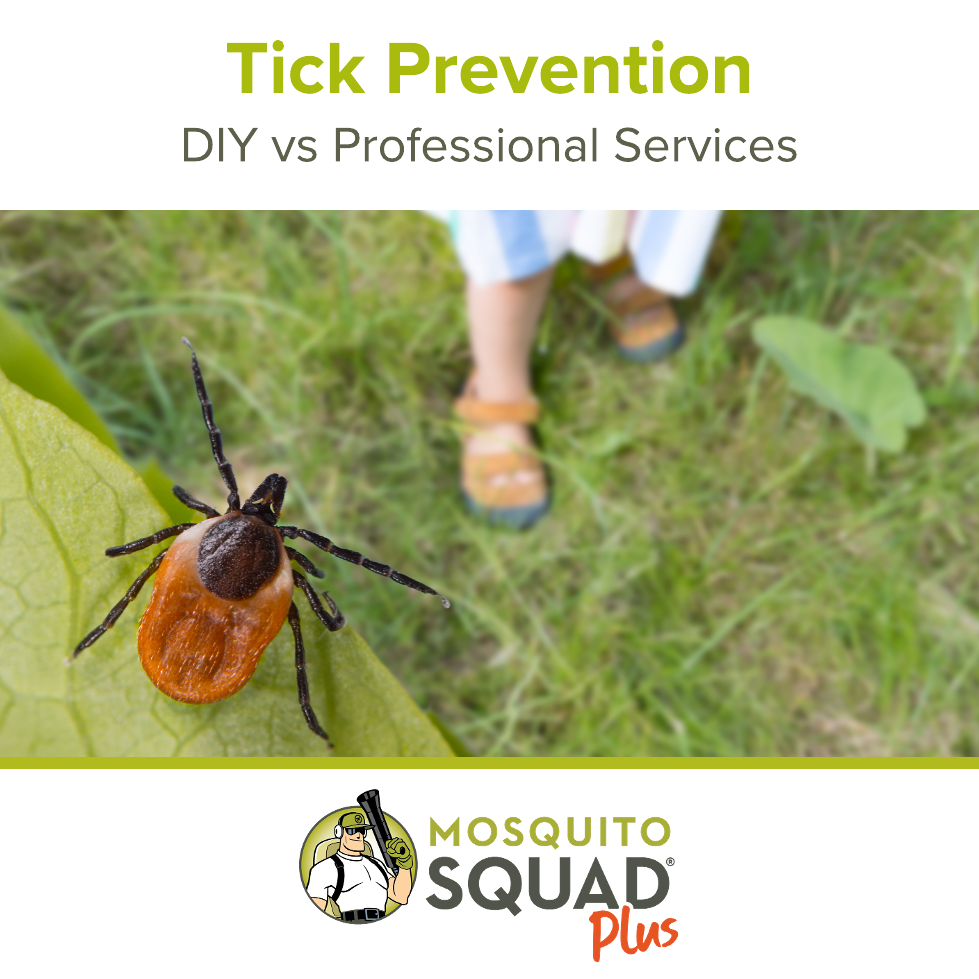
Ticks often hide where the lawn meets wooded edges, around leaf litter, beneath dense shrubs, and in cool, damp areas that stay shaded through the day.
If your property backs up to brush, trails, marshes, or conservation land, those transition zones deserve extra attention, especially where pets and kids play or cut through.
Stacked firewood, stone walls, and overgrown planting beds also create hiding spots for small animals that carry ticks closer to your home.
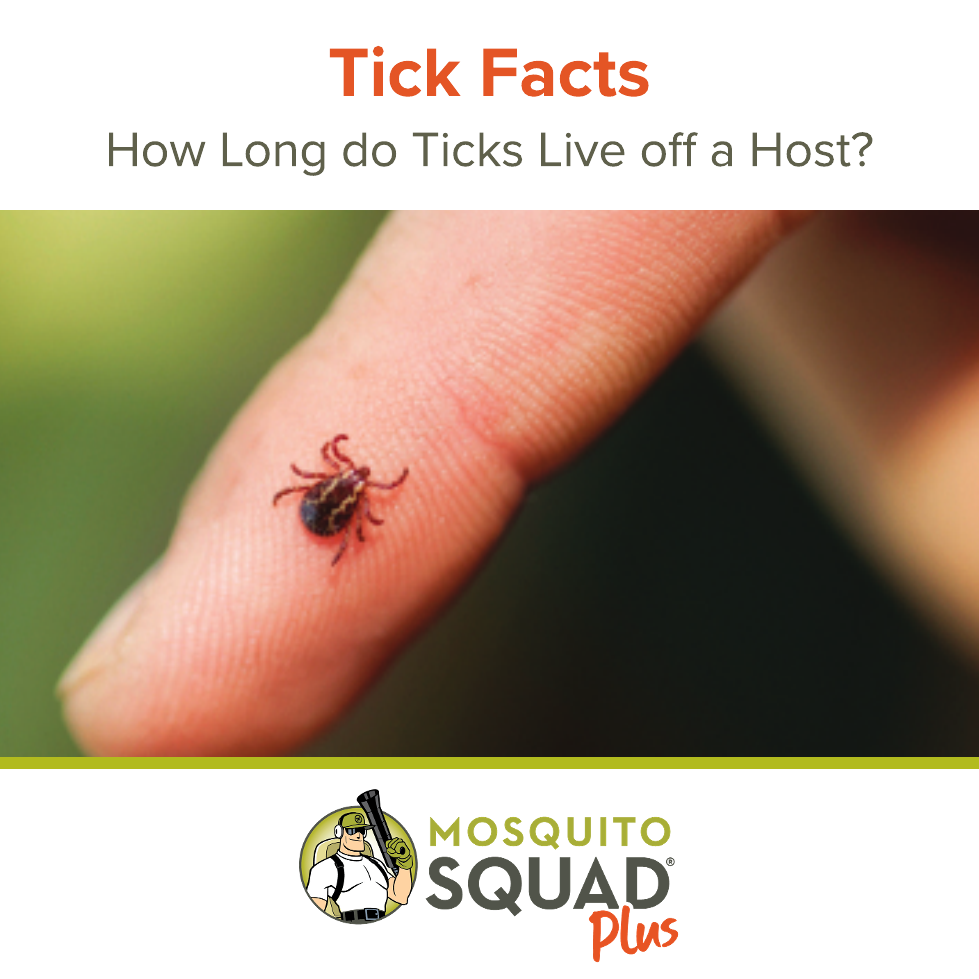
Cape Cod alert: According to Barnstable County's Department of Health & Environment, there are three types of human-biting ticks on Cape Cod — the American Dog Tick, the Deer Tick, and the Lone Star Tick. Lone Star ticks, once rare here, are now spreading across the Cape and Islands and are responsible for a growing number of Alpha-Gal Syndrome (red meat allergy) cases. Learn more at capecod.gov →
Mosquito breeding spots on Cape properties
Mosquitoes breed in standing water, and even small amounts can create a problem. Birdbaths, clogged gutters, plant saucers, buckets, tarps, and kiddie pools can all become breeding areas if water sits too long.
Cape properties near wetlands or low-lying areas often need more frequent monitoring because moisture naturally lingers there after rain or irrigation.
Even something as simple as a forgotten container behind the shed can support a surprising number of mosquitoes over the course of a summer.
How Cape Cod Mosquito Squad Helps Protect Your Family, Pets, and Yard
Everyday habits that reduce bites
Wear long sleeves and long pants in brushy areas, use EPA-registered repellent as directed, and do tick checks after spending time outside — especially after hikes, yardwork, or kids playing in tall grass.
Pets should also stay on veterinarian-recommended tick prevention because they can bring ticks indoors on their fur and collars.
For mosquitoes, it helps to reduce time outdoors at dusk, use fans on patios and decks, and keep windows and doors properly screened.
Barnstable County tip: Showering and doing a thorough tick check within two hours of coming indoors has been shown to reduce the risk of Lyme disease. Use a handheld mirror to check your full body — once you get the hang of it, a thorough tick check takes only 30 seconds.
Yard maintenance that helps
Mow regularly, trim overgrowth, remove leaf piles, and keep stacked wood away from the home. These steps reduce the cool, shaded spots ticks prefer.
Just as important, control standing water whenever possible so mosquitoes have fewer places to breed. Empty containers, refresh birdbaths, and make sure gutters drain well.
These simple steps can make your yard less inviting to both ticks and mosquitoes through the height of the season and between professional treatments.

With the right protection in place, Cape Cod families can enjoy decks, lawns, and outdoor spaces all season long without worry.
Why Professional Tick and Mosquito Treatments Matter
DIY prevention helps, but professional service gives homeowners stronger seasonal protection. A local treatment plan can target shady resting areas, perimeter zones, and outdoor spaces where families spend the most time.
Cape Cod Mosquito Squad uses targeted tick and mosquito control designed for outdoor living spaces, which can help reduce pest activity around decks, patios, play areas, and pet routes.
Routine treatments throughout the season help maintain protection, especially in neighborhoods near marshes, wetlands, and wooded areas where pest pressure is naturally higher.
100% Satisfaction Guarantee: Cape Cod Mosquito Squad backs every treatment with a satisfaction guarantee — if you're not satisfied, they'll re-treat within 14 days at no additional charge. For more information, including this guarantee, check out the Mosquito Squad Plus website mosquitosquad.com or ask the franchisee for details.
Local expertise for Cape Cod yards
Working with a provider that knows Cape Cod conditions means your treatment plan can account for coastal weather, seasonal humidity, and the way different neighborhoods in Falmouth, Yarmouth, and Mashpee respond to tick and mosquito activity.
That local insight helps fine-tune where and when to treat so you get the most benefit from each visit.
Helpful Resources for Falmouth, Yarmouth & Mashpee Homeowners
- Falmouth: View Falmouth service details →
- Yarmouth: View Yarmouth service details →
- Mashpee: View Mashpee service details →
- Tick Control: Learn about professional tick control options →
- Local Health Info: Barnstable County tick-borne illness resources →
Related reading: For more on the mosquito-borne diseases most relevant to the 2026 season — including West Nile Virus, Dengue, EEE, and heartworm — read Cape Cod Mosquito Squad's expert blog: Mosquito-Borne Diseases to Watch in 2026 →
Tick and Mosquito Season Help Is Just a Call Away
Tick and mosquito season in Falmouth, Yarmouth, and Mashpee does not have to keep you indoors. With smart prevention and a targeted treatment plan, you can enjoy your yard with more confidence throughout the season. First service is scheduled within 48 hours or it's free.
(508) 461-2010 Or get a free quote online — no contract required