Mosquito Control Near Utah Lake: Why Early Treatments Matter
Posted by Mosquito Squad Plus
May 8, 2026
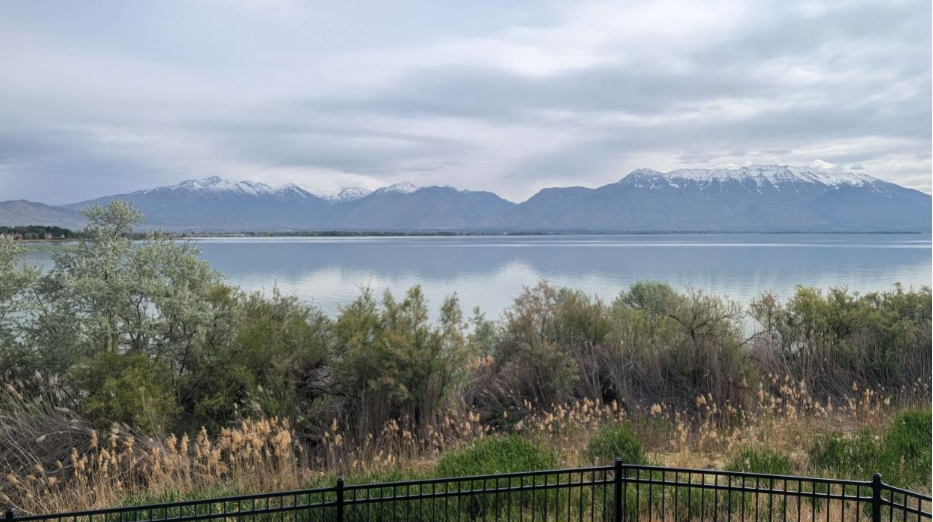
If you live near Utah Lake or anywhere along the southern Wasatch Front, you already know mosquitoes can appear quickly once spring temperatures begin to rise.
Communities such as Lehi, Saratoga Springs, Eagle Mountain, and American Fork often experience mosquito activity earlier than many homeowners expect. Large water bodies, wetlands, irrigation systems, and spring snowmelt all contribute to ideal mosquito breeding conditions around the lake.
Understanding how mosquito populations develop near Utah Lake, and why early mosquito control treatments matter, can make the difference between enjoying your yard and spending the summer swatting.
At Mosquito Squad Plus of Greater Salt Lake, mosquito biology and lifecycle control are central to how we approach mosquito management across Utah County. The environment surrounding Utah Lake creates unique mosquito pressures that require targeted strategies to keep populations under control.
Why Utah Lake Creates Ideal Mosquito Habitat
Utah Lake is one of the largest freshwater lakes in the western United States and supports extensive wetland ecosystems along its shoreline. Unlike deep alpine lakes, Utah Lake is shallow and warms quickly in the spring. These conditions allow mosquito larvae to develop earlier in the season than in many other areas along the Wasatch Front.
The shoreline surrounding the lake includes wetlands, floodplains, irrigation channels, and seasonal runoff areas where water collects in shallow pockets. These environments provide ideal mosquito breeding habitat because larvae can develop in calm water protected from strong currents and predators.
When spring snowmelt flows down from the Wasatch Mountains and spreads across these low-lying areas, thousands of temporary breeding sites can form. Once temperatures remain consistently above about 50 degrees, mosquito eggs begin hatching and the first wave of adult mosquitoes begins to emerge.
For nearby communities in Utah County, this means mosquito activity often begins earlier than many homeowners expect.
Common Mosquito Species Around Utah Lake
Several mosquito species thrive in the wetlands and shallow water environments surrounding Utah Lake. These species contribute heavily to mosquito pressure in nearby communities. These species behave differently, which is why effective mosquito control requires understanding both how they develop and how they move through residential environments.
Culex tarsalis
Culex tarsalis is one of the most important mosquito species in Utah because it is a primary vector for West Nile virus. This species prefers standing water found in irrigation systems, wetlands, drainage ditches, and agricultural areas common throughout Utah County.
Culex mosquitoes can produce multiple broods throughout the mosquito season. As long as standing water remains available, females can continue laying egg rafts that develop into new generations of mosquitoes.
Culex pipiens
Culex pipiens, sometimes called the northern house mosquito, is commonly found in urban and suburban environments. These mosquitoes often develop in stagnant water sources such as catch basins, irrigation runoff, storm drains, and neglected containers.
Because these mosquitoes frequently develop close to residential areas, they are often responsible for the mosquito activity homeowners notice around their yards.
Aedes dorsalis
Aedes dorsalis is commonly associated with floodwater habitats such as wetlands and shoreline areas around Utah Lake. These mosquitoes often hatch after spring flooding or heavy rainfall events.
Unlike some other species, floodwater mosquitoes can emerge in large numbers after environmental triggers such as snowmelt or flooding, which is why mosquito outbreaks sometimes seem to appear suddenly in nearby neighborhoods.
These species are closely monitored by mosquito abatement districts throughout Utah County because of their role in mosquito population growth and potential disease transmission.
Mosquitoes Can Produce Multiple Broods Each Season
One reason mosquito control near Utah Lake is so important is that many mosquito species do not produce just one generation each year.
Several mosquito species common to northern Utah can produce multiple broods during the warm months. Each brood represents a new generation of mosquitoes that can hatch, develop, and reproduce within a short period of time.
Under favorable conditions, mosquitoes can develop from egg to biting adults in as little as seven to ten days. If breeding sites remain undisturbed, mosquito populations can grow quickly as the season progresses.
Early mosquito control treatments focus on interrupting these reproductive cycles before mosquito numbers expand.
Why Mosquitoes Surge After Snowmelt and Rain
Around Utah Lake, mosquito populations are heavily influenced by floodwater cycles.
Many mosquito species in this area lay eggs in dry soil along shorelines, wetlands, and low-lying fields. These eggs can remain dormant until water levels rise from snowmelt, irrigation overflow, or heavy rain.
When these areas flood, large numbers of mosquito eggs can hatch at the same time. This is why mosquito activity can suddenly spike in Utah County, even if conditions seemed quiet just days before.
Because Utah Lake is surrounded by wetlands and fluctuating water levels, these floodwater events can happen multiple times throughout the season.
This creates repeated waves of mosquito emergence, which is why mosquito problems near Utah Lake often feel more intense and less predictable than in other parts of the Salt Lake Valley.
Not All Mosquitoes Travel Far
Many homeowners assume mosquitoes travel long distances, but that is not always the case.
Some mosquito species are relatively weak fliers and tend to remain close to where they hatch and feed. These mosquitoes may stay within a few hundred feet of their breeding site if suitable hosts and resting areas are nearby.
This means small pockets of standing water around homes, irrigation zones, landscaping features, or drainage areas can support mosquito populations that remain concentrated within a neighborhood.
Other mosquito species can travel farther, especially when wind conditions assist their movement. Because multiple mosquito species exist around Utah Lake, mosquito pressure in residential areas can come from both nearby breeding sites and larger environmental habitats.
At Mosquito Squad Plus of Greater Salt Lake, treatments are designed to create a protective barrier around your property. Our technicians apply treatments to shaded foliage, landscaping, and areas where mosquitoes naturally rest during the day.
When mosquitoes land on these treated surfaces, the treatment works to control them before they have the opportunity to bite or reproduce. Whether mosquitoes originated from wetlands around Utah Lake, irrigation systems, or small water sources nearby, they encounter the barrier as they move through the property.
By targeting the areas where mosquitoes naturally land and hide, treatments work with mosquito behavior to help keep populations under control.
Where Mosquitoes Rest Around Utah County Homes
After emerging from breeding areas, mosquitoes look for shaded environments where they can rest during the heat of the day.
Around residential properties, common mosquito resting areas include dense shrubs, ornamental bushes, tall grasses, shaded fence lines, and areas beneath decks or patios. Moist landscaping zones where irrigation keeps vegetation damp can also provide ideal resting locations.
These locations protect mosquitoes from wind and sunlight while allowing them to conserve energy before becoming active during evening hours.
Professional mosquito treatments focus heavily on these resting areas because adult mosquitoes spend much of their time in these protected zones.
Vector Mosquitoes in Utah County
Public health agencies across Utah closely monitor mosquito populations because certain species can transmit disease.
Culex mosquitoes, particularly Culex tarsalis and Culex pipiens, are considered vector mosquitoes because they are capable of transmitting West Nile virus between birds and humans.
Mosquito abatement districts manage many large breeding areas across Utah County, especially wetlands and irrigation corridors. However, once adult mosquitoes emerge, they disperse into surrounding communities where they search for hosts.
Reducing mosquito populations around homes helps limit exposure to these vector species and helps keep mosquito pressure manageable throughout the season.
Why Early Mosquito Treatments Matter
Waiting until mosquitoes are already abundant makes control much more difficult.
Most mosquito problems around Utah Lake are not coming from a single source. They are coming from a combination of wetlands, irrigation systems, and small residential water pockets, which is why a single treatment approach is rarely effective.
Early mosquito treatments focus on interrupting the mosquito life cycle before large populations of biting adults develop. Addressing breeding sites early in the season helps reduce the number of mosquitoes that emerge later in the summer. In many Utah County neighborhoods, we see mosquito activity build along fence lines and irrigation edges before homeowners even realize there’s standing water nearby.
At Mosquito Squad Plus of Greater Salt Lake, mosquito control programs are designed around mosquito biology. Our technicians evaluate properties for breeding areas, moisture zones, and shaded resting habitats where mosquitoes spend most of their time.
In areas prone to seasonal flooding or standing water, larvicide treatments can be applied to interrupt mosquito development before larvae mature into biting adults. When possible, we also help homeowners identify areas where standing water can be removed or improved to reduce breeding opportunities.
Combining larval control with targeted treatments around mosquito resting areas provides a layered strategy that helps keep mosquito populations under control throughout the season.
Enjoy Your Yard Near Utah Lake Again
Living near Utah Lake offers beautiful views, access to outdoor recreation, and vibrant communities throughout Utah County. But the same environmental conditions that support wetlands and wildlife can also support mosquito development.
Understanding how mosquito populations develop and why early treatments matter allows homeowners to stay ahead of mosquito activity before it becomes overwhelming.
Mosquito Squad Plus provides mosquito control near Utah Lake and mosquito control throughout Utah County, including Lehi, Saratoga Springs, Eagle Mountain, American Fork, and surrounding communities.
If you’re already noticing mosquitoes around your yard, they’ve likely been developing for weeks.
Request a quote through our contact page and take back your yard before mosquito season peaks.
Here’s to another beautiful day, the Squad way.