Lake Purdy’s Mosquito Problem Starts at a Property Line You Do Not Own
Posted by Mosquito Squad Plus
May 19, 2026
There is a moment that happens on a Lake Purdy property right after the truck pulls in and the technician walks the perimeter. You look toward the back of the lot. The fence line ends. Past it, the trees keep going. Past the trees, more trees. Somewhere on the other side is a 990-acre reservoir that has been sitting there since 1923, surrounded by 7,000 acres of woodland that no one is allowed to develop, mow, drain, or thin out.
That is the mosquito control problem in Lake Purdy. The property line on your survey is real. The mosquito pressure does not respect it.
Most of the homes in the Lake Purdy area, the ones tucked off Sicard Hollow, Cahaba Valley Road, and the streets that feed off Highway 280 east of the I-459 interchange, share this condition. The lot is yours. The buffer next door is not. And the buffer is producing mosquitoes, ticks, and the wildlife that carries both, in a way that makes mosquito control in Lake Purdy a different conversation than mosquito control anywhere else along the 280 corridor.
Why the Reservoir Is the Problem No One Owns
Lake Purdy is a drinking water reservoir. Most homeowners in the area know that without having to look it up. Birmingham Water Works built the original dam in 1909, raised it 20 feet in 1929, and the reservoir has been a primary water source for more than 600,000 customers across Birmingham, Homewood, Hoover, Mountain Brook, and Vestavia Hills ever since.
What most homeowners do not realize is what that designation legally requires.
In 2023, after more than two decades of legal back-and-forth, the Birmingham Water Works Board finalized a settlement with the Cahaba River Society and Cahaba Riverkeeper that placed 7,000 acres surrounding Lake Purdy, the Little Cahaba River, and portions of the Cahaba River under 75-year restrictive covenants. The land cannot be developed, logged commercially, cleared, drained, or converted to any use that would compromise the drinking water source. The covenants run with the land, binding any future owner regardless of how the property changes hands.
That protection is good policy. It is also why mosquito control in Lake Purdy is structurally different from mosquito control in Trussville or Pinson or anywhere else in the metro where a homeowner's nearest neighbor is another homeowner. The question here is shaped by what cannot be touched, not by what can.
The protected buffer around Lake Purdy is exactly the kind of land that the EPA Source Water Protection Program recommends for surface water reservoirs. Undisturbed forested watershed filters runoff, recharges baseline flow, and reduces the contamination load the downstream filter plant has to remove. From a public health standpoint, the buffer is doing exactly what it should. From a residential mosquito pressure standpoint, that same undisturbed forest is producing habitat continuously and there is nothing the homeowner across the property line can do about it. Every effective approach to mosquito control on a Lake Purdy property has to start from that fact.
That is the part that does not show up in a CDC pamphlet on mosquito prevention. The pamphlet assumes the homeowner can control the conditions. In Lake Purdy, the homeowner controls maybe a third of an acre. The conditions extend for thousands.
The Species Mix Is Wider at the Buffer Edge
Most of the Greater Birmingham mosquito conversation centers on two species. The Asian Tiger mosquito, Aedes albopictus, which the Alabama Cooperative Extension System identifies as the dominant pest mosquito species in suburban Alabama. And the southern house mosquito, Culex quinquefasciatus, the primary regional vector of West Nile virus. Both are container breeders. Both thrive in gutters, birdbaths, neglected pots, and the inch of water under a tarp. They are the species the suburban treatment industry was built around because they are the species suburban lots produce.
The species profile shifts at a reservoir edge.
A 990-acre impoundment fed primarily by the Little Cahaba River, which according to USGS streamflow studies provides roughly 80 percent of total annual mean inflow to Lake Purdy, produces an ecological zone container-breeding species do not need but a much wider set absolutely do. Floodwater mosquitoes in the Aedes vexans group lay eggs in damp soil and leaf litter near water margins and hatch in pulses after rain. Culex erraticus, identified in central Alabama EEE surveillance research as the most common mosquito in hardwood swamp habitat, breeds in shaded standing water with high organic content. Anopheles species, which thrive in vegetated freshwater margins, are part of the mix anywhere a permanent water body sits next to wooded terrain.
These species are not exotic. They are native to central Alabama and have been part of the regional ecology for as long as the rivers have been here. The point is that a typical Lake Purdy property is exposed to more of them than a typical Hoover or Trussville property would be, because the buffer next door is producing habitat that suburban lots do not contain. That widened species pool is the second thing mosquito control in Lake Purdy has to account for.
A barrier treatment program designed for suburban Aedes albopictus pressure is still useful here. It just is not the whole story.
What the Wildlife Corridor Actually Does to a Lake Purdy Lot
The 7,000-acre protected buffer around Lake Purdy is a wildlife corridor. The Alabama Land Conservation Assistance Network lists the reservoir as one of the more reliable birding destinations in the state, with documented populations of bald eagles, great blue herons, ospreys, and a wide range of migratory waterfowl. White-tailed deer move freely between the buffer and adjacent residential lots, particularly along the streets that border the protected acreage on the west and south sides of the reservoir.
This is not a complaint about wildlife. The wildlife is the entire point of the protection. What homeowners need to understand is what the corridor does to mosquito and tick pressure on adjacent properties.
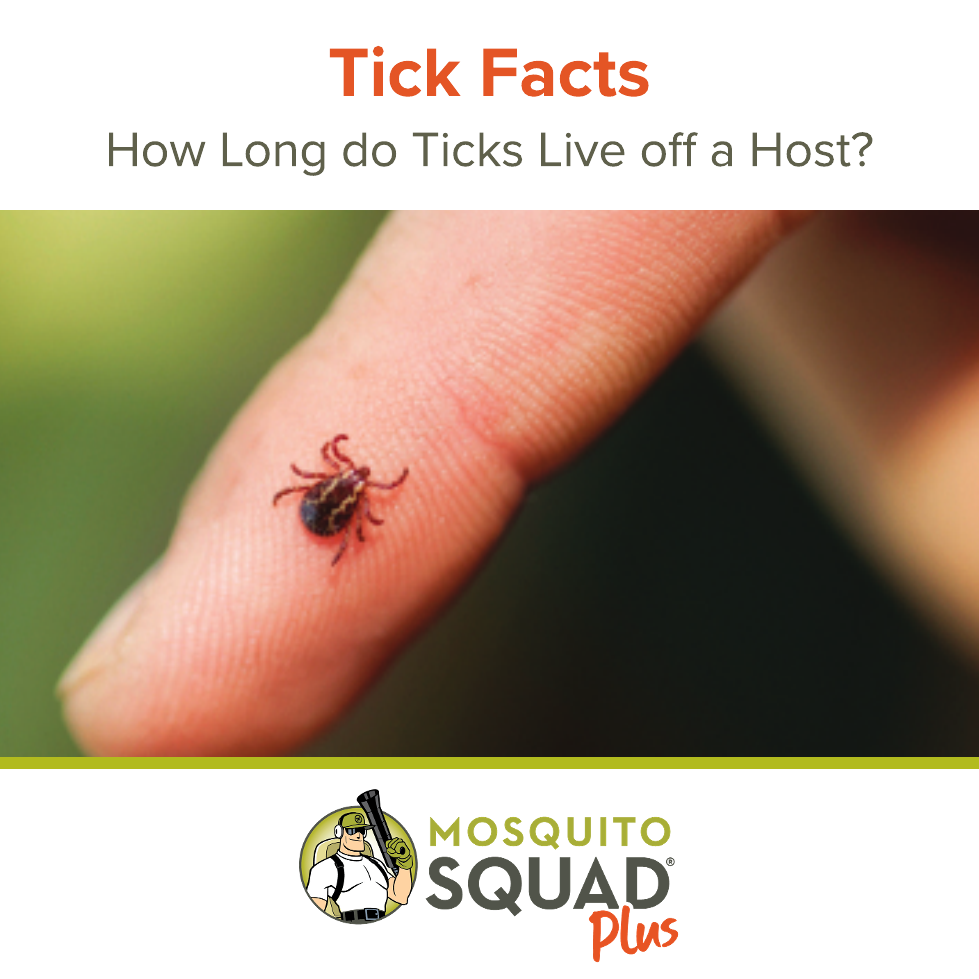
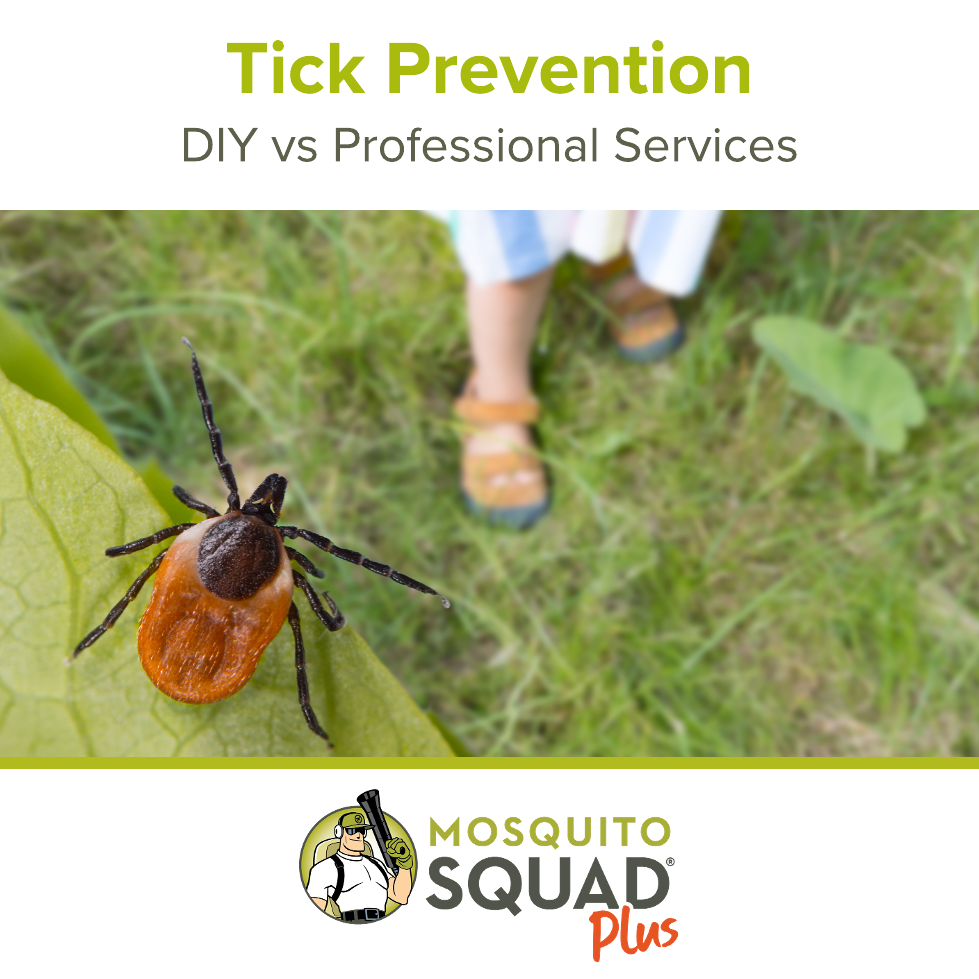
Birds are the primary reservoir hosts for West Nile virus. The CDC documents the bird-mosquito-bird cycle as the transmission engine that maintains the virus in regional ecosystems before any spillover to humans or horses occurs. A property at the edge of a documented bird-rich corridor is sitting at the edge of that cycle. Deer move ticks. The lone star tick, the dominant tick species across suburban Jefferson and Shelby counties, which we covered in the context of tick season in Vestavia Hills, moves into residential properties primarily on the backs of deer and small mammals using the same wooded corridors the protected buffer keeps in continuous condition.
This is why a serious mosquito control program in Lake Purdy almost always benefits from a paired conversation about tick control. The vectors moving across the property line are not just flying. Some of them are walking.
Why "Eliminate Standing Water" Advice Hits a Wall Here
Open any homeowner-facing mosquito prevention guide and the first instruction is the same. Eliminate standing water. Empty containers. Unclog gutters. Drain anything sitting wet for more than 48 hours. This is correct, useful advice for most suburban properties because most suburban properties produce their own mosquitoes from their own water sources.
The advice runs into a structural problem on a Lake Purdy lot.
You can empty every container on your property. You can keep every gutter flowing. You can grade out every low spot and run the kind of dry, well-maintained yard the EPA's integrated mosquito management guidance recommends. And then you can walk to the back fence and look out at thousands of acres of legally protected woodland with creeks, seeps, ephemeral pools, leaf-choked drainages, and a reservoir holding water continuously for 102 years.
Source elimination on your lot is still worth doing. It reduces the contribution your property makes to the local population. It is not, on its own, a solution to a problem produced primarily next door.
This is the reframe that separates effective mosquito control in Lake Purdy from the kind of advice that works on a quarter-acre lot in a master-planned subdivision a few miles west. The homeowner's job is not to eliminate the source. The source is permanent and protected. The homeowner's job is to manage the boundary, and that is what a professional mosquito control program is structured to do.
Treatment Logic When the Boundary Is the Variable
A property next to a permanent mosquito production zone needs a different strategy than a property producing its own mosquitoes from container sources. Effective mosquito control here is not more aggressive in chemistry. It is more deliberate in placement.
A mosquito barrier treatment on a Lake Purdy property concentrates on the resting and harborage zones along the property edge. Adult mosquitoes coming off the buffer during the daytime do not fly straight to the house. They land. They rest in the undersides of foliage, in the dense interior of shrub borders, along fence lines, and in the transitional vegetation where mowed lawn meets unmaintained edge. Those resting zones are where barrier chemistry intercepts them, and they are the surfaces mosquito control programs in this part of Shelby County are built around.
For a typical Lake Purdy lot, the back fence line and any wooded edge on the property gets treated as the primary control surface. Foundation plantings on the side of the house facing the buffer matter more than foundation plantings on the street side. Dense shrub beds, ornamental grasses, and any planted hedge running parallel to the buffer line are priority. The lawn itself is rarely the issue. Mosquitoes do not rest in open mowed grass. The shaded edge does both jobs at once.
For larger lots, especially the multi-acre properties along Sicard Hollow and the streets running off Cahaba Beach Road, a single perimeter pass is usually not enough. The mosquito control plan often involves additional interior zones, particularly wooded sections of the lot, water features, or low areas that hold moisture. On the largest of these properties, an automatic misting system timed for the morning and late afternoon, when Aedes albopictus is most active, can be a worthwhile addition to the recurring barrier treatment program.
The natural mosquito treatment option, built on essential oil active ingredients, applies on the same schedule and works the same boundary-line logic for households that prefer a botanical product. The treatment surfaces are the same. The chemistry is what changes. Either way, the mosquito control philosophy on a Lake Purdy property runs from the buffer line inward, not from the house outward.
For the Saturday cookout, the spring graduation party, the fall wedding shower on the back patio, special event treatments applied a day or two before provide a tighter, shorter-duration knockdown on top of the recurring program. The events hosted on Lake Purdy properties tend to use the outdoor space hard, and a recurring program plus a pre-event spray is the combination that consistently holds up.
When to Treat: Timing on a Reservoir-Adjacent Property
The mosquito control window in Lake Purdy follows the same general central Alabama pattern as the rest of the metro, late February through mid-March for the first application, recurring every 21 days through the active season into October. What changes on a reservoir-adjacent property is that the buffer dampens some of the year-to-year temperature variability that drives timing on drier suburban lots.
A 990-acre body of water moderates the air temperature directly around it. The reservoir holds heat into the fall and releases cold more slowly in the spring than the surrounding terrain. For mosquito control purposes, that means the active window at the buffer edge tends to start in line with the rest of the metro but often runs noticeably later into the fall than properties further from the lake. A property in Cahaba Heights or along Meadowbrook and the 280 corridor might wind down by mid-October. A Lake Purdy lot on the buffer edge often needs mosquito control treatment into early November in milder years.
The signs that conditions have arrived are the same ones that work elsewhere. The first mild evenings where you walk out and want to stay out. The first daytime bites in March on a Saturday morning, which means the Asian Tiger has emerged. Standing water held in low spots three or four days after rain. The difference at Lake Purdy is that those signs show up earlier at the buffer edge than they do on the interior of the lot, and they fade later in the fall. The yard does not turn off on a uniform calendar.
For homeowners closer to the lake, that argues for getting on a recurring mosquito control schedule in late February or early March and staying on it through the end of October at minimum. The lake does not wait for a homeowner to schedule. Neither should the program.
The Bottom Line for Lake Purdy Properties
Mosquito control in Lake Purdy is a boundary-line problem. The reservoir and its 7,000-acre protected buffer are not going anywhere, and that is by design. The wildlife corridor running through that buffer is a feature of living in this part of Shelby County, the same feature that gives the neighborhood its character, its trees, its quiet, and its proximity to one of the more biologically interesting bodies of water in central Alabama. None of that needs to change.
What does change is the mosquito control strategy. A property at the edge of a permanent production zone needs a recurring program that treats the boundary as the primary control surface, accounts for a broader species mix than a typical suburban lot would produce, and runs on a slightly extended seasonal calendar to match what the lake itself is doing.
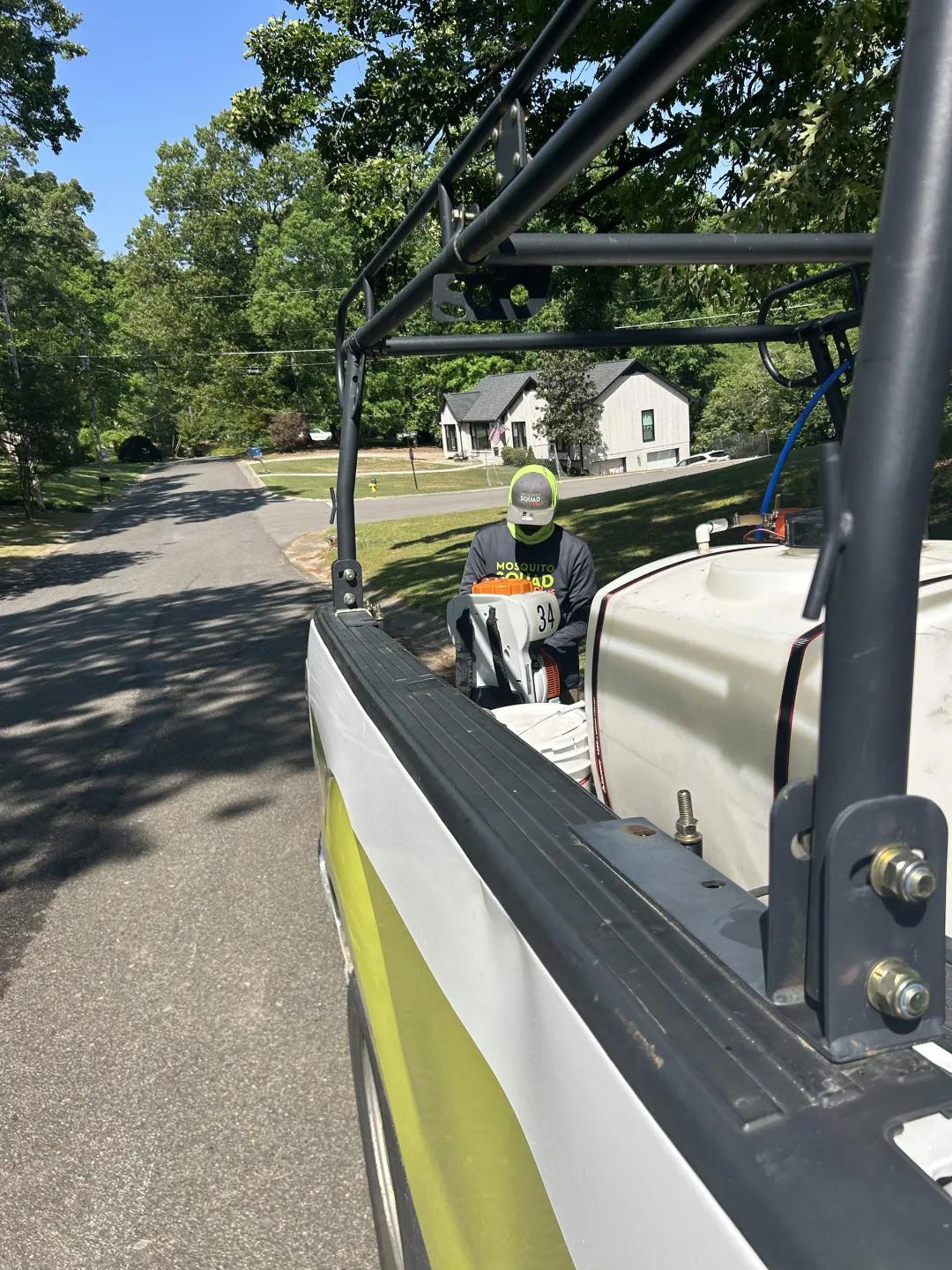
The Mosquito Squad of Greater Birmingham team handles mosquito control for properties along Sicard Hollow, Cahaba Beach Road, the streets feeding off Highway 280 east of I-459, and the broader Lake Purdy corridor including Shoal Creek, Meadowbrook, and the eastern edge of Vestavia Hills. If you are on or near the buffer line and the yard has been working against you, reach out and we will walk it with you.