Standing Water in Utah: The Hidden Mosquito Breeding Spots Around Your Home
Posted by Mosquito Squad
March 12, 2026
You can mow your lawn.
You can trim your shrubs.
You can spray a can from the hardware store.
But if standing water is sitting quietly in your yard, and mosquito control in Salt Lake City becomes much harder.
Across Salt Lake City, Draper, Sandy, West Jordan, and throughout the Wasatch Front, the biggest mosquito problems rarely start in obvious places. They start in hidden water pockets most homeowners never notice.
If you live near Utah Lake, along the Jordan River drainage corridor, or anywhere in the Salt Lake Valley where irrigation and snowmelt are part of life, understanding standing water is the difference between reacting and preventing.
Why Standing Water Matters So Much in Utah
Mosquitoes need only a small amount of water to reproduce.
A bottle cap of water can support larvae. A low spot in turf that holds runoff for a few days is enough. A clogged downspout extension can quietly become a breeding zone.
In northern Utah, mosquito pressure is heavily influenced by:
- Spring snowmelt from the Wasatch Mountains
• Lawn irrigation systems running multiple times per week
• Clay soils that retain moisture
• Retention basins in newer developments
• Wetlands near Utah Lake
Floodwater Aedes species common in Utah lay eggs in areas that later flood. Those eggs hatch once temperatures consistently reach the low 50s and water remains long enough for development. Culex mosquitoes, which are important vectors for West Nile virus, prefer standing water that lasts longer, such as catch basins, neglected ponds, and shaded containers.
Mosquito control in Salt Lake City must account for both types of breeding patterns.
The Hidden Standing Water Spots Most Utah Homeowners Miss
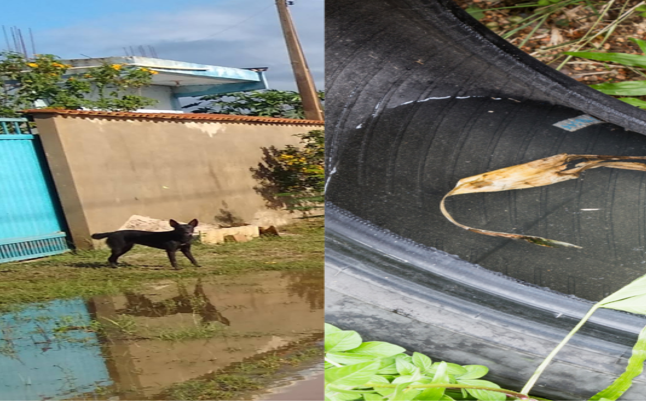
When people think of standing water, they think of ponds. But the real issues are often smaller and less obvious.
Here are the most common hidden mosquito breeding spots we find across the Salt Lake Valley.
Irrigation Runoff Along Fences
Water that over sprays or runs downhill often pools along fence lines. Because these areas are shaded and rarely inspected, they stay wet longer than the rest of the yard.
Low Turf Depressions
After snowmelt or heavy rain, certain sections of lawn hold moisture for days. If that moisture stays longer than 5 to 7 days in warm weather, mosquito development can complete.
Clogged Window Wells
Window wells are common in Utah basements. When drains clog with debris, water can sit unnoticed.
Retention Pockets in Landscaping
Decorative rock beds and uneven mulch zones can trap water beneath the surface. Even if the top looks dry, the soil below may remain damp long enough for larvae to survive.
Gutter and Downspout Blockage
Utah’s fall leaves and spring debris easily clog drainage systems. Slow-draining gutters create repeated standing water after every storm.
Unused Planters and Toys
Buckets, wheelbarrows, tarp folds, and even kids’ toys left outside after spring rain can become temporary breeding zones.
Mosquito control near Utah Lake often requires inspecting both obvious water sources and these overlooked micro-locations.
How Fast Can Mosquitoes Develop in Standing Water?
Under favorable conditions, mosquitoes can develop from egg to biting adult in as little as 7 to 10 days.
That means:
- A week of warm weather
• One irrigation cycle that floods a low area
• One clogged drain after a storm
Can be enough to create a noticeable mosquito increase.
Once adults emerge, they move into shaded foliage and protected resting areas, which is why simply removing water after the fact does not always eliminate pressure immediately.
Lifecycle timing matters.
Our Approach: Targeting the Full Mosquito Life Cycle
At Mosquito Squad Plus of Greater Salt Lake, standing water inspection is part of our early season strategy.
We begin by identifying areas prone to flooding, irrigation overspray, or long-term moisture retention. When standing water can be corrected, we recommend practical adjustments such as improving drainage flow or modifying sprinkler direction.
When water cannot be eliminated, especially in flood-prone or retention areas, we place larvicide treatments designed to interrupt development before larvae become biting adults.
This is critical in areas near Utah Lake and throughout the Wasatch Front where environmental moisture cycles repeat throughout the season.
Our layered approach includes:
- Identifying breeding zones
• Treating development areas with larvicide when needed
• Targeting shaded adult resting areas
• Timing applications around temperature thresholds
If you only treat adult mosquitoes, you are chasing the problem.
If you break the breeding cycle, you control it.
That is the difference between seasonal relief and long-term mosquito management in Salt Lake City.
Signs Standing Water Is Increasing Your Mosquito Pressure
You may have a standing water issue if you notice:
- Mosquitoes appearing early in spring
• Increased activity after irrigation days
• Bites occurring near fence lines or shaded corners
• Wet turf sections that never fully dry
• Drainage areas that smell damp
The earlier these areas are addressed, the easier mosquito pressure is to control.
Standing Water and Broader Pest Activity
Standing water does not only impact mosquitoes.
Moisture zones can also:
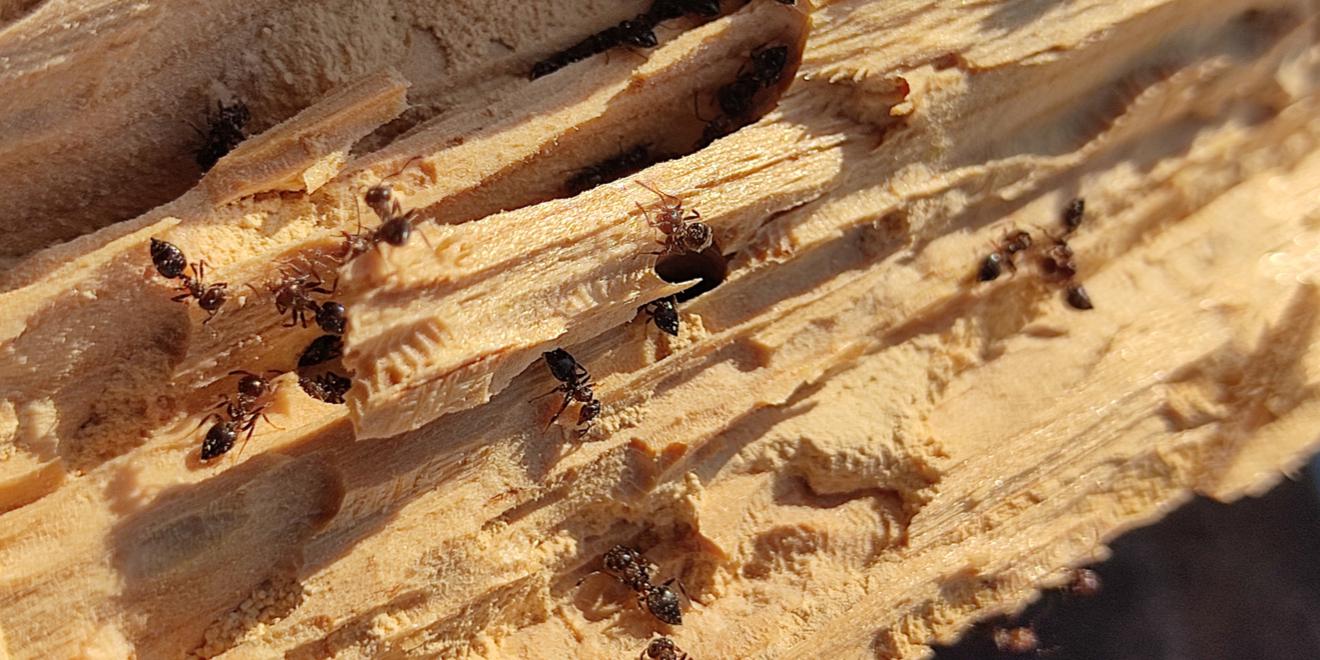
- Attract ants relocating colonies
• Increase spider prey activity
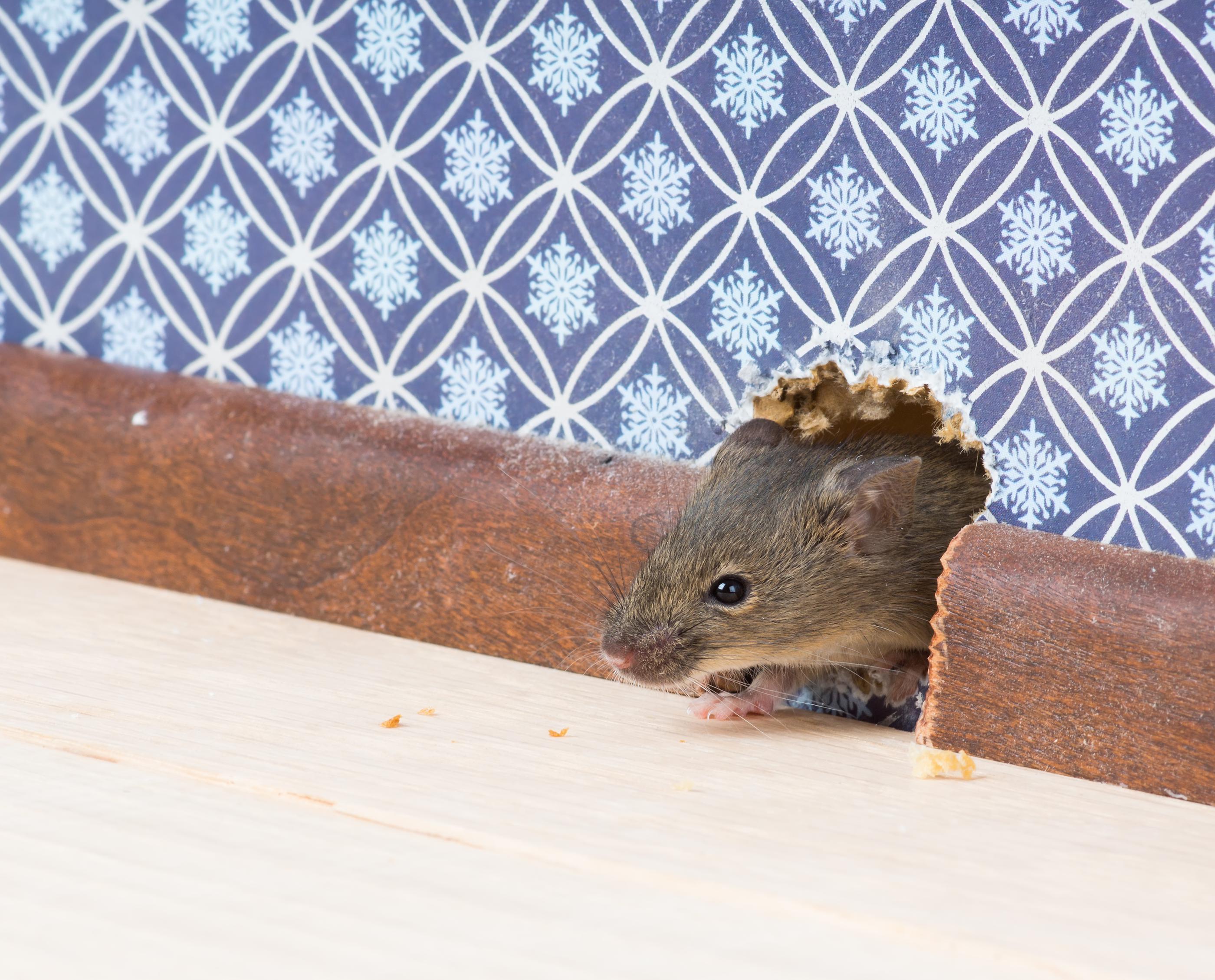
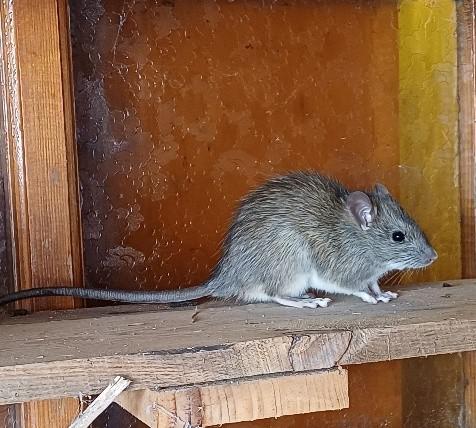
• Draw rodents toward irrigation-heavy properties
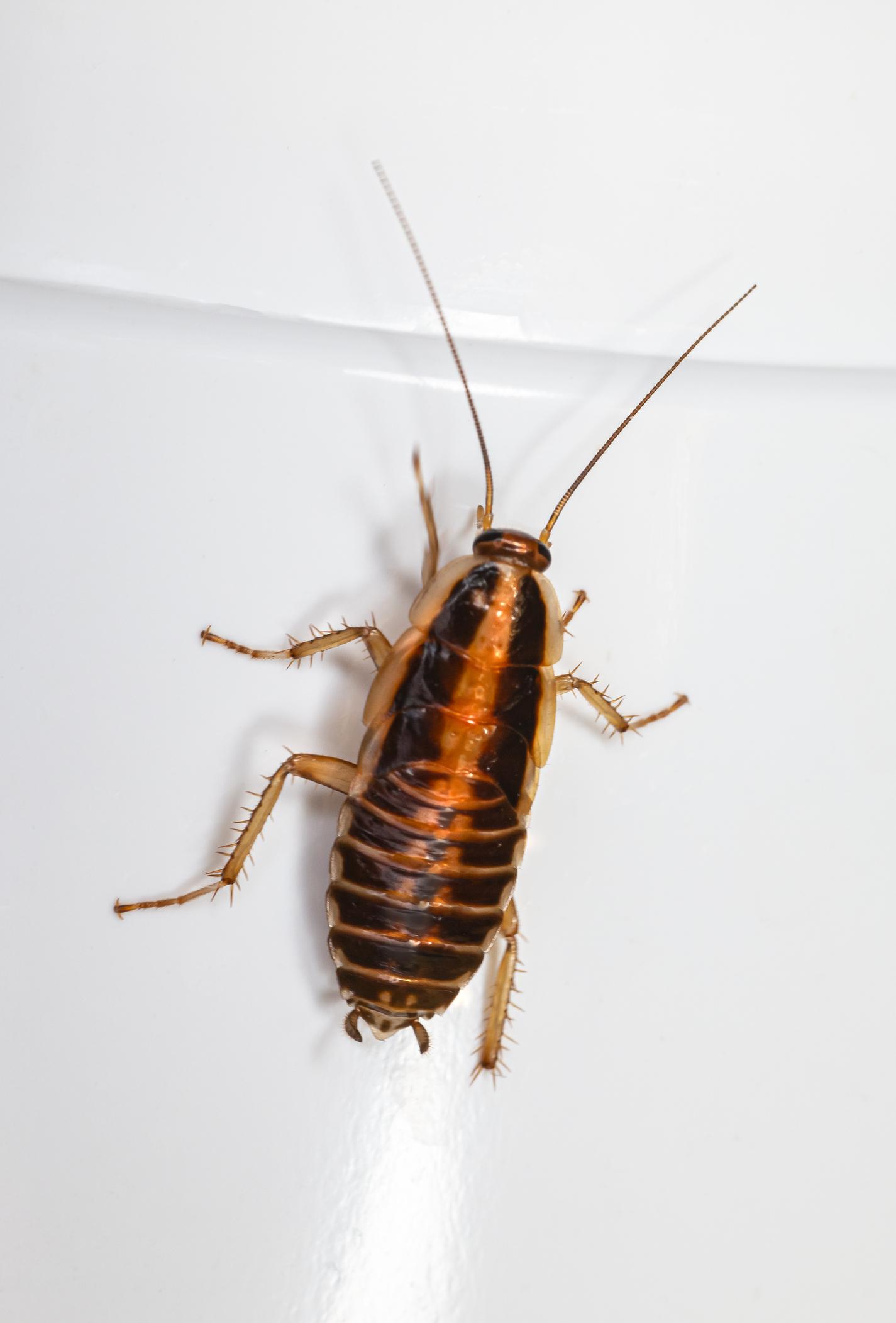
Comprehensive pest control in Salt Lake City considers how water influences multiple pest species at once.
That is where the Plus in Mosquito Squad Plus matters.
Take Control Before Peak Season
Standing water problems rarely look dramatic. They build quietly.
Across Salt Lake City, Draper, Sandy, West Jordan, Utah County, and Davis County, early season inspection and lifecycle treatment can significantly reduce summer mosquito pressure.
If you suspect hidden breeding spots around your home, request a quote through our contact page and let’s identify the problem before populations spike.
We’ve got your back, neighbors.