Spring Pest Control in Salt Lake City: What Wakes Up First?
Posted by Mosquito Squad
March 30, 2026

The snow starts shrinking along the Wasatch Mountains. Lawns slowly green up across Draper and West Jordan. Irrigation systems kick back on in Sandy and throughout Utah County. And almost overnight, something shifts.
Spring pests in Salt Lake City start moving again.
Most homeowners think about mosquitoes first. And yes, mosquito development often begins earlier than people expect. But spring in the Salt Lake Valley brings a chain reaction that includes ants, spiders, boxelder bugs, and even changing rodent behavior.
Spring pest control in Salt Lake City is not about reacting once you see activity. It is about understanding what wakes up first and getting ahead of it.
Why Spring Triggers Pest Activity in Utah
Spring in Utah creates the perfect storm for pest activity.
Once daytime temperatures consistently reach the low 50s, insect metabolism increases. Snowmelt from the Wasatch Front runs into low areas. Clay soils in parts of Davis County and the Salt Lake Valley hold moisture longer than expected. Irrigation systems begin pressurizing again. Landscaping wakes up.
Moisture plus warming soil equals movement.
In northern Utah, this shift can happen quickly. One warm stretch in late March can accelerate development across multiple pest species at the same time.
Here is what typically wakes up first.
Ants: Early Foragers in Draper and Sandy
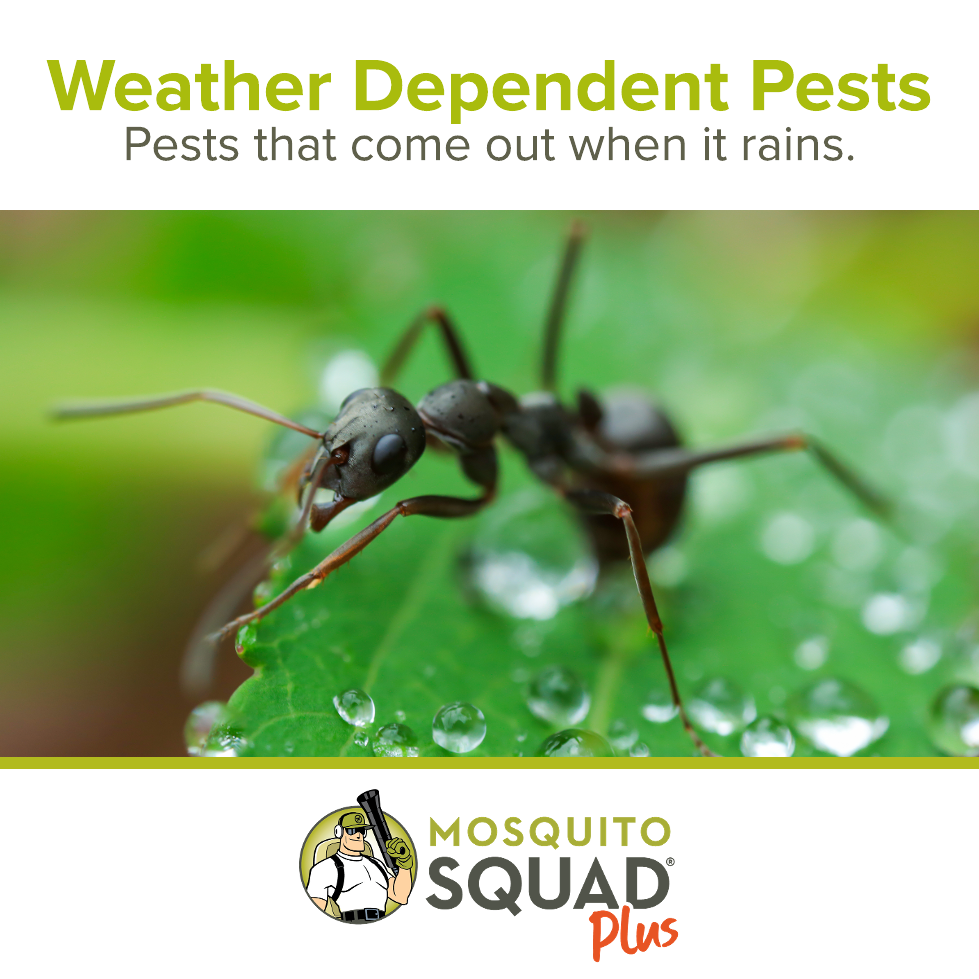
Ants are often the first visible sign that spring has arrived.
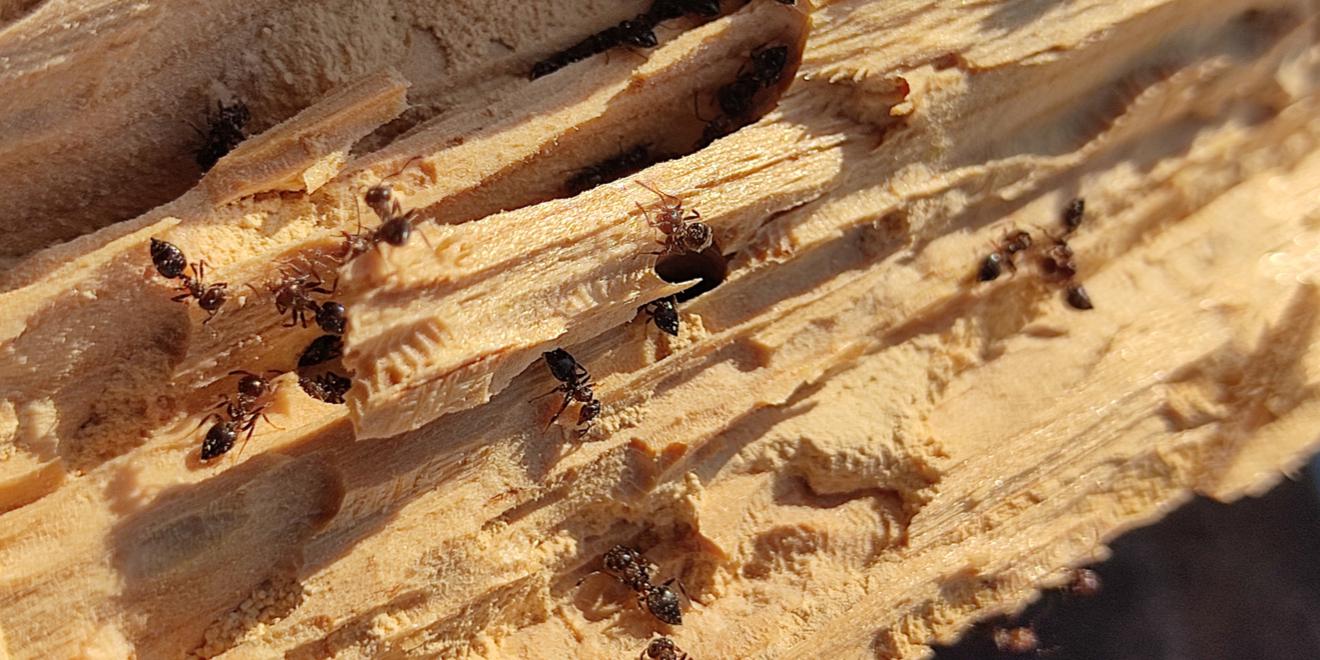
As soil temperatures warm, colonies that overwintered underground begin sending scouts out in search of food. In neighborhoods throughout Draper and Sandy, that often means small trails appearing along foundations, garage edges, and kitchen baseboards.
Spring rain and irrigation can push colonies closer to structures. What starts as a few exploratory workers can become steady indoor traffic within days.
Ant control in Draper and throughout the Salt Lake Valley is most effective before trails are fully established. Early intervention prevents colonies from settling into long-term patterns near your home.
Spiders: Already Inside, Just Waiting
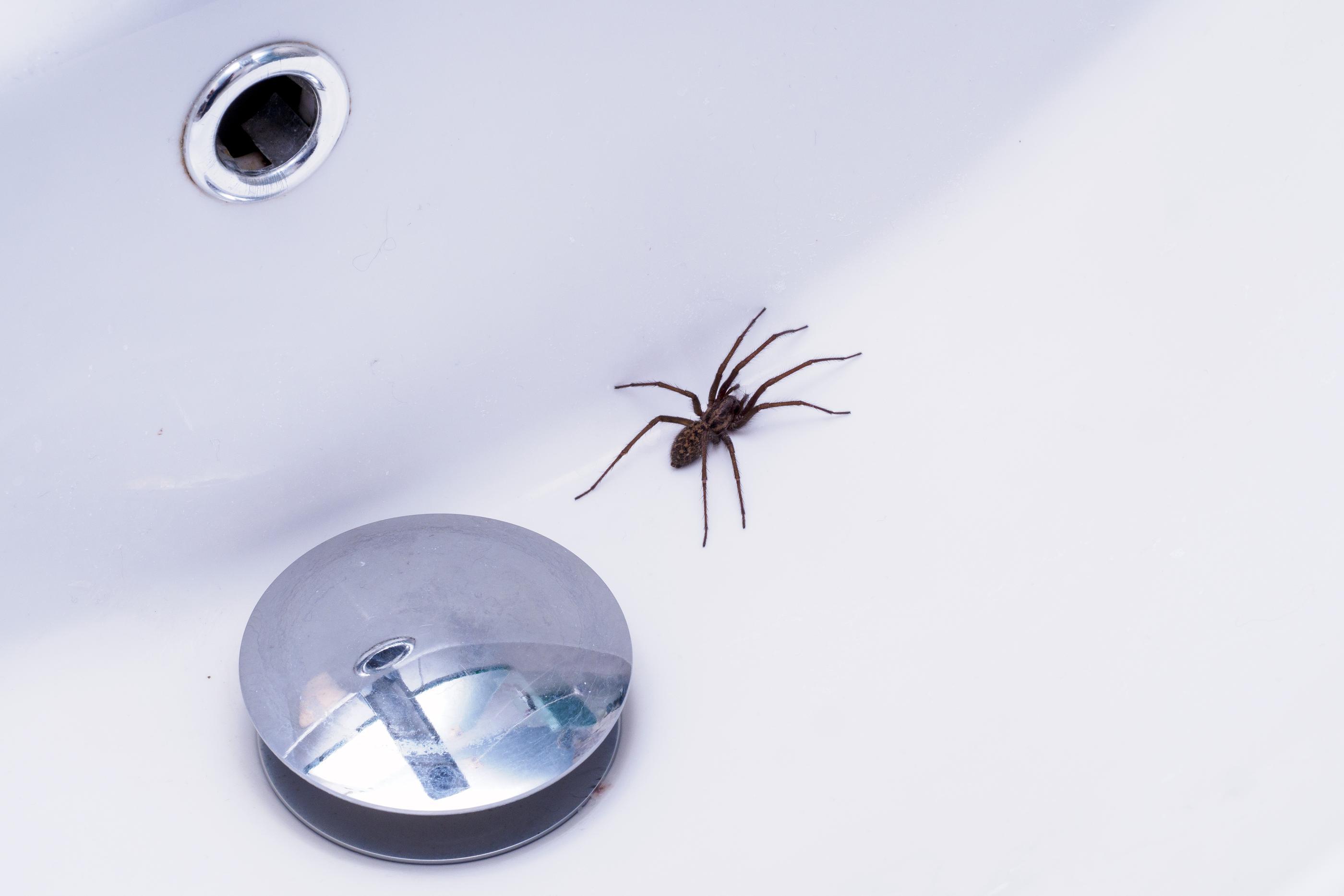
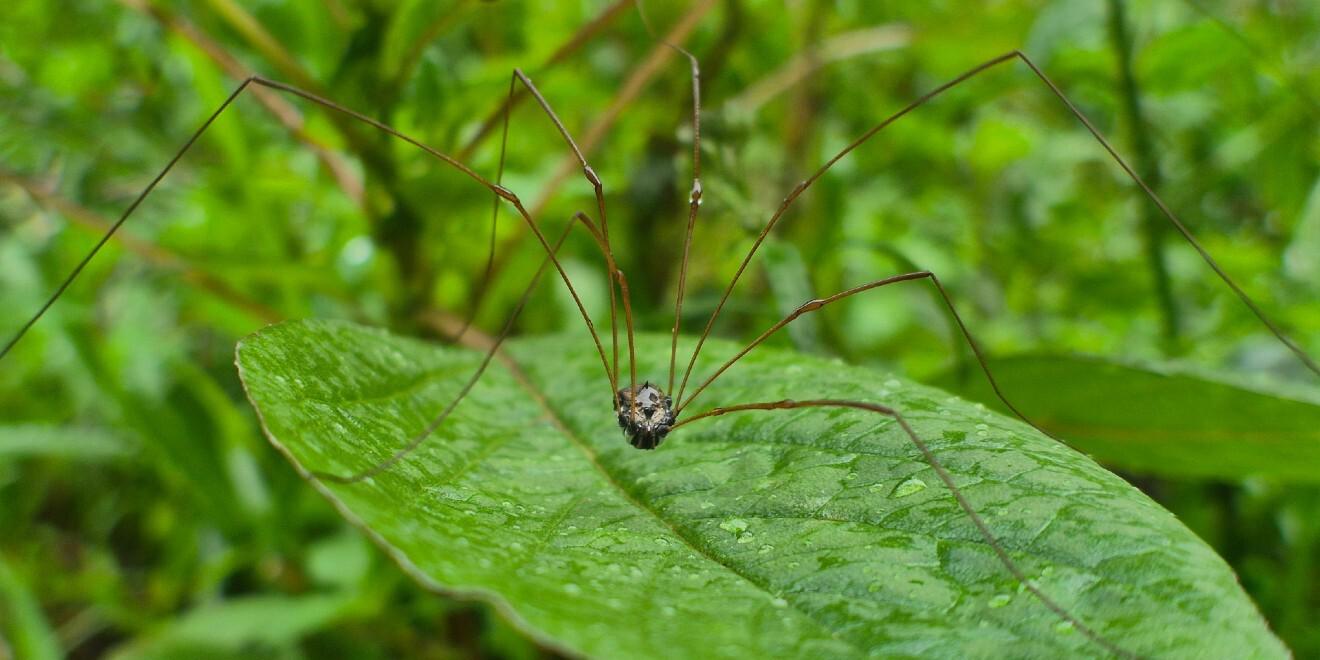
Spiders do not truly disappear in winter. Many shelter inside garages, crawl spaces, basements, and attic corners.
As insect activity increases in spring, spider activity follows. More prey means more movement. Homeowners across the Wasatch Front often notice fresh webbing around window frames, soffits, and garage ceilings once temperatures stabilize.
Winter spider control in the Wasatch Front transitions directly into spring maintenance. Addressing spiders early reduces the buildup that typically becomes more noticeable by early summer.
Boxelder Bugs: Reemerging in Utah County
Boxelder bugs are usually associated with fall clusters, but spring is when they reemerge.
Across Utah County and parts of Salt Lake City, south-facing walls warm quickly once the sun angle shifts. Overwintering boxelder bugs respond to that warmth and begin gathering on siding, window frames, and exterior surfaces.
At this stage, activity is scattered. Later in the year, it can become concentrated.
Boxelder bug removal in Utah County is often simpler in early spring before large aggregations form again in fall. Spring service reduces pressure before the next seasonal spike.
Mosquitoes: Where We Lead and Why Timing Matters
While ants and spiders are easier to spot, mosquitoes are already developing long before most homeowners notice them.
In northern Utah, floodwater Aedes species lay eggs in soil that later becomes saturated from snowmelt or irrigation. Those eggs hatch once temperatures consistently reach the low 50s. Near Utah Lake, along the Jordan River corridor, and throughout irrigated neighborhoods in the Salt Lake Valley, that window can open earlier than people expect.
At the same time, Culex mosquitoes, which are important vectors for West Nile virus in Utah, overwinter as adult females in protected areas. As daylight increases and temperatures rise, they reemerge ready to feed and begin laying eggs in standing water.
This is where mosquito control in Salt Lake City must go beyond surface treatment.
At Mosquito Squad Plus of Greater Salt Lake, our approach targets the full mosquito life cycle.
We do not just focus on adult mosquitoes resting in shaded foliage. We identify areas prone to holding water, especially low spots that flood with spring runoff or collect irrigation overspray. When standing water cannot be removed, we place larvicide treatments designed to interrupt development before mosquitoes ever become biting adults.
When water can be drained or corrected, we recommend adjustments that reduce breeding potential altogether. That might include redirecting irrigation, clearing clogged drainage areas, or addressing retention pockets that stay wet too long after snowmelt.
This two-part strategy matters.
- Reduce breeding sites when possible
• Treat development zones when water cannot be eliminated
• Target adult resting areas to reduce immediate pressure
Mosquito control near Utah Lake and throughout the Wasatch Front requires this layered approach because pressure comes from both natural wetlands and residential irrigation patterns.
If you only treat adults, you chase activity.
If you break the life cycle, you control it.
That is the difference between reacting to mosquitoes and leading mosquito control in Salt Lake City.
Rodents: Shifting From Survival to Expansion
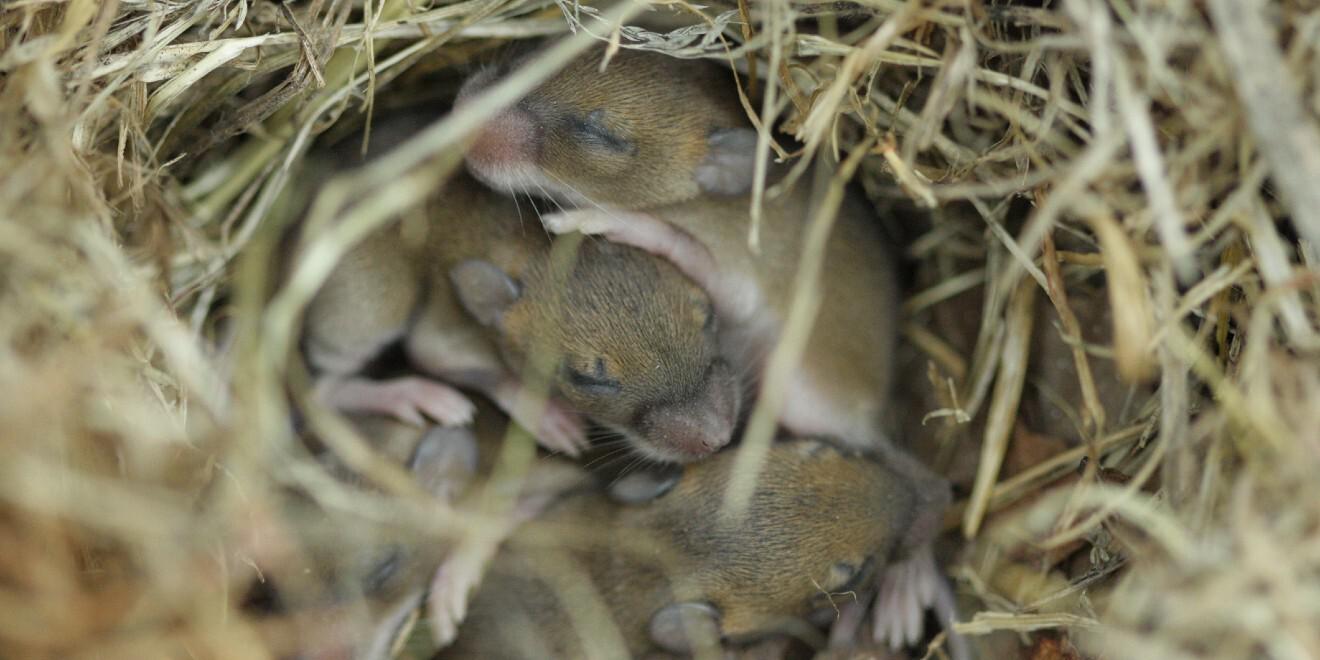
During winter, rodents focus on survival. In spring, they shift toward expansion.
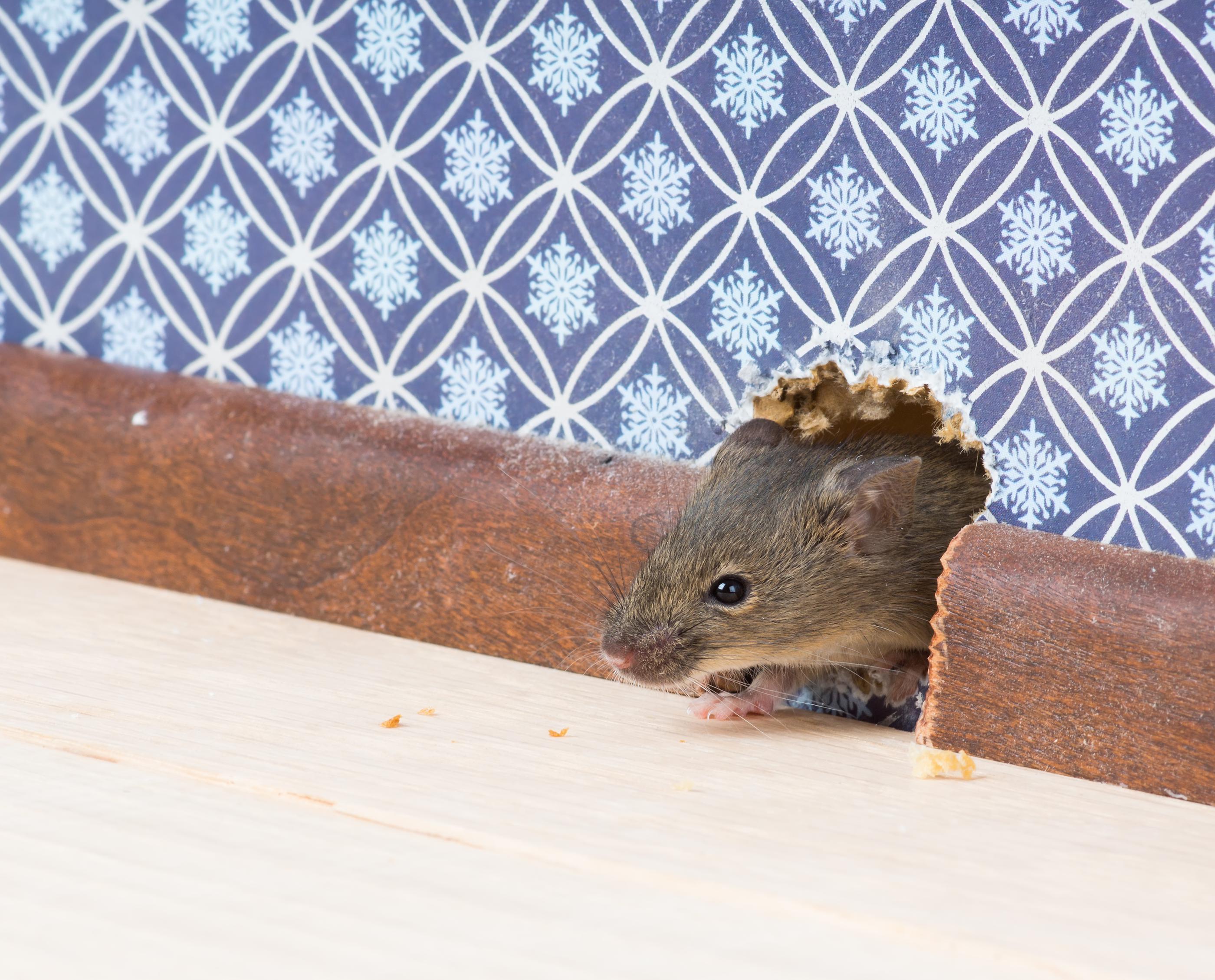
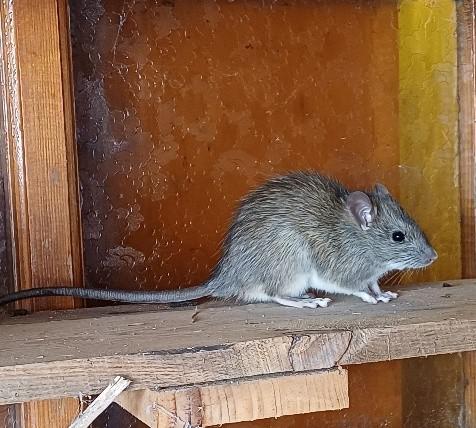
House mice that sheltered in Salt Lake homes over the winter begin exploring new nesting areas as food sources increase. Garage storage, crawl spaces, and attic insulation remain common problem zones.
Rodent control in Salt Lake homes is most effective when entry points are identified before summer breeding cycles increase activity.
If you are noticing droppings or scratching sounds now, it is likely the beginning of a seasonal pattern.
Why Spring Pest Control in Salt Lake City Matters
Spring is a narrow window.
If pest activity is addressed early:
- Ant colonies are smaller and easier to disrupt
• Mosquito development cycles can be interrupted before peak emergence
• Spider pressure remains manageable
• Boxelder bugs stay scattered instead of clustering
• Rodent entry points can be sealed before expansion
Professional pest control in Salt Lake City focuses on where pests overwintered and where they are likely to move next.
At Mosquito Squad Plus of Greater Salt Lake, our technicians arrive in clearly marked vehicles, assess moisture zones, identify structural vulnerabilities, and apply targeted treatments based on your property’s layout and surrounding environment.
Every home in the Salt Lake Valley is different. Microclimates, irrigation patterns, and nearby water sources all influence pest pressure.
Spring service sets the foundation for everything that follows.
Signs You Should Schedule Spring Pest Control
You may be ready for spring service if you notice:
- Ants appearing along interior baseboards
• Spider webs reforming quickly after cleaning
• Boxelder bugs gathering on sunny siding
• Standing water remaining after snowmelt
• Rodent droppings in garages or storage areas
Waiting until pests are fully active usually means treatments must work harder later.
Start the Season Ahead
Spring in the Salt Lake Valley brings energy, growth, and unfortunately, increased pest activity.
The earlier you address what wakes up first, the smoother the rest of your season will be.
For reliable pest control in Salt Lake City and surrounding communities, request a quote through our contact page and get ahead of spring before pests do.
We’ve got your back, neighbors.