Pest Control in Homewood, AL: What 100 Years of "Out of the Smoke Zone" Living Actually Looks Like
Posted by Mosquito Squad Plus
May 4, 2026
A spring evening on Broadway in Edgewood looks like exactly what Homewood is. People walking their dogs. Kids on bikes coming back from Little League at Homewood Park. Families pushing strollers down to Soho Square or up to the Piggly Wiggly. Couples sitting on the porches of Spanish Colonial Revival homes that have been on those streets since 1932. Joggers along Lakeshore Drive. Students from Samford University walking back across campus from Lakeshore. The Salamander Festival in winter, the Christmas Parade in December, We Love Homewood Day in May. The community is built around being outside. People here actually use their yards.
That fact is what shapes the pest control conversation in this city more than anything else. In 1926, the developer Clyde Nelson sold lots in what would become the Hollywood neighborhood with a slogan that worked well enough to be remembered a century later: "Out of the Smoke Zone, Into the Ozone." He was selling the move over Red Mountain to escape industrial Birmingham's air, into a residential community designed for actually being outside. The pitch worked. People moved over the mountain, the neighborhoods of Edgewood, Rosedale, Grove Park, and Hollywood incorporated together as a city, and Homewood became one of the most walkable, outdoor-oriented established suburbs in Jefferson County.
A hundred years later, that same character is what produces the pest pressure here. The mature canopy that came with the original development. The Spanish Colonial Revival and English Tudor housing stock from the 1920s and 1930s that still defines the Hollywood Historic District. The walkable streets where families actually walk and sit outside in the spring evenings. Shades Creek running through the southern edge of the city. Edgewood Lake, the man-made lake from 1915 that gives Lakeshore Drive its name. The collective effect of all of that, on a property in 2026, is a yard and a structure and a daily routine that mosquito biology, tick biology, and structural pest biology all find favorable.
This is a different conversation than the one we covered in our Cahaba Heights mosquito blog. Cahaba Heights sits on the Cahaba River floodplain proper. Homewood sits on Shades Creek, a tributary of the same system, on the south side of Red Mountain rather than the river side. Different terrain, different housing stock era, different lifestyle profile, and a meaningfully different pest pressure story.
What Homewood Actually Is
Homewood covers 8.3 square miles in Shades Valley with roughly 26,000 residents and a density of about 3,200 people per square mile, which makes it one of the more densely settled established Birmingham suburbs. The city is bordered by Birmingham to the north and west, Mountain Brook to the east, and Vestavia Hills to the south. Shades Creek, part of the Cahaba River system, flows through the southern portion of the city. The original communities that merged to form Homewood (Edgewood, Rosedale, Grove Park, Oak Grove, and Hollywood) each still carry distinct character.
Edgewood, centered on the Oxmoor Road and Broadway intersection, runs single-family homes on smaller lots with significant walkability. The Edgewood Highlands area was platted starting around 1909 with mature lot characteristics built up over a hundred years of residential use. Hollywood, developed in the late 1920s under Nelson's original "Smoke Zone" pitch, runs Spanish Colonial Revival and English Tudor housing stock concentrated along Hollywood Boulevard, with the Hollywood Historic District covering 412 buildings now listed on the National Register of Historic Places. Rosedale carries its own architectural character from the same era. The neighborhoods around Samford University add a different residential profile altogether. The work we do across the broader Greater Birmingham service area sees these distinctions show up in how each property's specific pest pressure presents.
What this combination of older established neighborhoods produces is not a single pest story. It is a layered one, with mosquito pressure compounded by structural pest pressure compounded by the lifestyle pattern that brings residents out into their yards and onto their porches more consistently than the average Jefferson County suburb.
What Mosquito Pressure Looks Like on a Homewood Property
The mosquito pressure on a Homewood property comes from two species working different parts of the property biology.
The Asian Tiger mosquito, Aedes albopictus, is the species most homeowners encounter first because it bites during the day rather than at dusk. The Alabama Cooperative Extension System identifies it as the dominant pest mosquito species in suburban Alabama. It breeds in extremely small water sources, a tablespoon in a clogged section of gutter, the saucer under a flowerpot, a low spot in a flagstone path that holds water for three days. On older Homewood lots with Spanish Colonial Revival or English Tudor architecture, micro-water-collection sites are particularly common: the decorative tile features, the recessed entryways, the architectural details that hold water in places newer construction does not. The species also bites aggressively in the morning and late afternoon, which matters enormously in a community where residents are walking down Broadway, jogging Lakeshore Drive, or sitting on the porch at exactly those times of day.
The Culex mosquito, the primary West Nile vector in Jefferson County, breeds in larger standing water with organic content. Shades Creek itself is too actively flowing in most reaches to support meaningful Culex production, but the storm drainage features that move water from residential streets into the creek system, the low-lying drainage zones along Lakeshore Drive, and any retention or detention features within the city all serve as breeding zones.
Both species rest during the day on the underside of leaves, in dense shrub borders, and along shaded foundation plantings that hold humidity through the afternoon. Homewood's older lots produce significantly more of that resting habitat per acre than newer suburbs with sparser landscape and less canopy. Effective mosquito control on a Homewood property has to address both the breeding sites and the adult resting zones rather than treating one or the other in isolation. A recurring mosquito barrier treatment program that runs from late February or early March through October is what addresses the actual pressure cycle in this community.
The Pest Pressure Beyond Mosquitoes
Mosquito pressure is the most visible part of the picture in Homewood, but on an established property here it is not the whole picture.
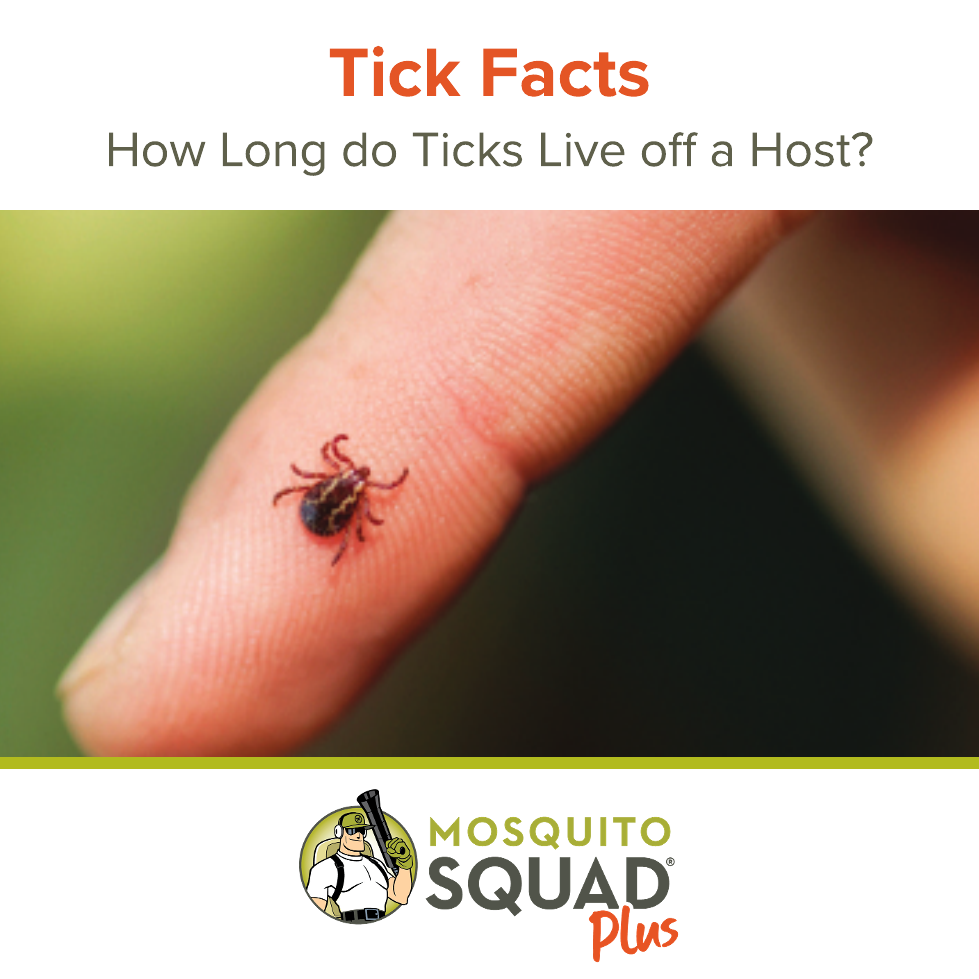
Tick pressure is genuinely real on Homewood properties that border Shades Creek, that back up to wooded common areas, or that connect to the broader Lakeshore corridor through their landscape. The Centers for Disease Control and Prevention documents that ticks attach to people during outdoor activities including walking through grass and brush, and Homewood's walkability culture means more residents spend more time in exactly those conditions than in less walkable communities. The lone star tick, the most common tick in Alabama, actively pursues hosts and crosses maintained lawn rather than waiting for someone to brush past it. A property with a wooded edge or a creek-adjacent landscape carries real tick pressure, and a homeowner who walks the tick control considerations into the conversation alongside mosquito treatment ends up with a more complete program. Our Vestavia Hills tick blog covers the tick story for the south-of-Red-Mountain corridor that Homewood shares with its neighbor.
Ant pressure on older Homewood housing stock is its own conversation. Pavement ants nest in slab cracks and patio joints common in the 1920s through 1950s housing era. Odorous house ants move into kitchens through plumbing penetrations and cabinet seams. Carpenter ants establish in moisture-damaged wood around original window frames and porch attachment points on the Spanish Colonial Revival and English Tudor homes that define the Hollywood Historic District. Treatment on a property where the foundation is ninety years old works differently than on a 2018 build.
Spider pressure, fly pressure, stink bug overwintering, and other broader pest profiles all interact with the older housing stock in ways that newer construction does not produce. Most Homewood homes benefit from a combined indoor and outdoor approach to pest control rather than treating each pest species in isolation.
What 90-Year-Old Housing Stock Specifically Produces
The Spanish Colonial Revival and English Tudor architecture of the Hollywood Historic District was built between 1926 and 1940 in most cases. Stucco exteriors, clay tile features, decorative brickwork, original wood window frames, and original mortar between brick or stone construction. None of those features were designed with modern pest exclusion in mind because modern pest exclusion concepts did not exist when these homes were built.
The architectural character that makes Homewood beautiful also produces specific conditions over decades. Stucco cracks where the underlying lath has weathered. Clay tile features that collect organic debris in their joints, which holds moisture, which attracts pests. Recessed entryways where moisture pools in the corners through long humid summers. Original mortar joints in stone foundations and decorative brickwork that have developed hairline gaps over ninety years of seasonal cycling.
The Alabama Department of Public Health tracks Jefferson County as part of Alabama's documented West Nile risk corridor, and the conducive conditions on older housing stock interact with both the mosquito side and the broader pest side of that picture. The 7 T's of Mosquito Control framework we use covers the systematic property assessment that gets applied during every inspection, and on older Homewood housing stock that assessment runs longer and finds more conducive conditions than it does on a five-year-old subdivision lot.
Newer construction in Homewood (the gut renovations, the new builds replacing teardowns, the recent townhome and condo developments) sits in a different category. Those properties carry their own pest pressure profile but it is fundamentally less compounded than what a hundred-year-old Hollywood home produces.
What Actually Works on a Homewood Property
The treatment approach that fits a Homewood property looks different from what works on newer construction. The active season runs from late February through October for mosquitoes, with structural pest pressure cycling through the year on its own schedule. Recurring barrier treatment timed to that calendar consistently outperforms reactive treatment after problems show up.
What changes on a Homewood property specifically is where the treatment goes. The architectural water-collection points on Spanish Colonial Revival and Tudor homes get attention that newer-construction protocols do not include. The shaded shrub borders along original foundation plantings get treated as adult mosquito resting zones. The plumbing and utility penetrations through ninety-year-old foundations get assessed as ant and structural pest entry points rather than ignored. The Home Shield program coordinates the indoor and outdoor pest pressure on a single recurring schedule rather than treating mosquitoes in isolation from the rest of what an older Homewood home actually deals with.
We work Homewood alongside Mountain Brook and the broader Red Mountain south-side corridor, and the patterns across these communities share enough character that a team familiar with one is genuinely familiar with all of them.
A Practical Walk Around Your Homewood Property
An hour outside with the following checklist will tell you most of what an inspection will need to address.
Walk the foundation perimeter slowly. Look at the seam where the foundation meets the wood framing. Look for hairline gaps around plumbing or utility penetrations. On the Spanish Colonial Revival or English Tudor homes in the Hollywood Historic District, the original stucco and stone work has had nearly a century to develop the conditions that pests use as entry points.
Check the gutters and downspouts. Standing water in clogged gutters produces mosquitoes on a four-to-seven day cycle. On a Homewood house with mature trees overhanging the roofline, gutter maintenance has direct mosquito implications throughout the active season.
Walk any property line that adjoins Shades Creek, a wooded common area, or naturalized vegetation. Those transitions are where ticks concentrate and where wildlife pest pressure enters the property.
Look at the architectural water-collection points specific to your home's construction era. Tile features that hold water. Recessed entryways with poor drainage. Decorative brickwork with weep holes or drainage gaps that have failed over decades. These are the points an inspection focused on a 2010 build would never check, and they matter enormously on a 1932 Hollywood home.
Check for low spots in the yard that hold water after rain. Walk the property the day after a real rain event. Anywhere water sits longer than 24 hours is producing the Asian Tiger mosquito, regardless of whether you can see the larvae.
Schedule a free property inspection to get the property evaluated by a team that knows older Birmingham housing stock and the specific conditions that an established Homewood property accumulates across decades of residential use.