The Sweetheart of Ohio Has a Mosquito Season Nobody Sees Coming
Posted by Mosquito Squad
March 20, 2026
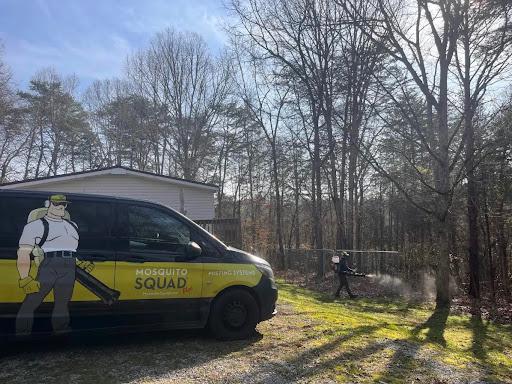
If you've ever ridden the bike trail on a Saturday morning in March when the Little Miami is running high and the trees are just starting to think about budding, you already know the feeling. The trail, the river, the historic downtown right there at the water's edge, the way the whole community is built around being outside. That's not an accident. Loveland earned the nickname the Sweetheart of Ohio for a reason, and it has everything to do with the Little Miami!
What's also true, and what most Loveland homeowners find out the hard way every spring, is that a nationally designated scenic river running through the middle of your community comes with a mosquito season that starts earlier and runs harder than anywhere else in the Cincinnati area. The same floodplain that makes the trail beautiful in April is producing the first generation of the season in late February. By the time you're planning your first warm-weather ride, the yard at home is already behind.
The River Runs on Its Own Schedule
The Little Miami River was designated Ohio's first State Scenic River in 1969, and the Ohio Department of Natural Resources has documented its watershed patterns extensively. What those patterns show is that the Little Miami rises significantly through late winter and early spring as snowmelt and rainfall drain south toward the Ohio River. That rise and recession leaves behind exactly what mosquitoes need. Shallow temporary pools along the floodplain edges, saturated organic debris in the low areas adjacent to the river, and shaded drainage corridors that stay wet for weeks after the main channel recedes.
The CDC's mosquito habitat documentation is clear that shallow, organic-enriched standing water in shaded areas is among the most productive mosquito breeding environments that exist. The Little Miami's spring pulse creates those conditions along the entire river corridor through Loveland every single year. It's not a bad year or an unusual spring. It's how the river behaves, and it means the season starts on the river's schedule, not yours.
The Trail Canopy Is Working Against You in March
The bike trail that runs through Loveland is one of the things that makes this community genuinely special. More than 100,000 people access the Little Miami Scenic Trail through the Loveland trailhead each year. The mature hardwood canopy along the trail corridor, the oaks and sycamores that make a July ride feel ten degrees cooler than it actually is, that same canopy does something else in late winter and early spring.
It slows evaporation.
Shaded areas along the river corridor hold moisture at the soil level weeks longer than open ground. Leaf litter that accumulated through fall and winter retains that moisture even when the surface looks dry. Research published in Parasites and Vectors found that decaying leaf litter in shaded areas significantly increases mosquito larval habitat by retaining moisture and creating the microenvironments that support egg development. The trail corridor through Loveland is a continuous band of exactly that habitat running right through the middle of the community.
This doesn't mean you should stop riding the trail in March. It means that if your yard backs up to the trail corridor or sits anywhere near the river, you're dealing with a breeding source that's active before most of your neighbors in Blue Ash or Madeira are even thinking about it.
What Historic Downtown Loveland Homeowners Already Know
Properties closest to the river and trail, particularly in historic downtown Loveland and along the adjacent streets, see mosquito pressure earlier than anywhere else in the community. The combination of the river's spring pulse, the trail canopy, and the natural drainage that connects residential yards to the floodplain means that by mid-March, on a warm afternoon when the trail is busy and the ice cream shop is starting to look appealing, the mosquito population is already establishing at home.
The dominant species in southwestern Ohio's riverine environments is Culex pipiens, the northern house mosquito, which breeds in organic-enriched standing water and is most active at dusk. But Loveland also sees pressure from Aedes albopictus, the Asian Tiger mosquito, which bites during the day and breeds in smaller water sources throughout residential yards. Ohio State University Extension's mosquito management guidance has specifically identified river corridor communities like Loveland as areas of elevated early-season pressure because of the combination of natural floodplain activity and residential proximity.
Getting bitten on a March afternoon while you're loading up for a trail ride isn't a fluke. Both species are active along this corridor earlier than most people expect.
Chiggers Come With the Territory Out Here
Anyone who has walked through the tall grass along the river edges or let their dog wander into the natural areas adjacent to the trail already knows this. The moist, organic-rich ground cover along the Little Miami corridor is prime chigger habitat, and Ohio State University Extension has documented chigger activity throughout the Little Miami corridor as a consistent seasonal concern for anyone spending time near the river.
Chiggers are barely visible, their bites are intensely itchy, and they tend to surprise people who don't connect them to the beautiful trail environment they love. The same treatment schedule that addresses mosquitoes handles chigger control, so there's no additional trip or separate program required. It's just making sure the whole picture is covered for a community that spends as much time outside as Loveland does.
When to Start and What to Watch For
Late February through early March is the right window for most Loveland years. Here's what tells you the season has arrived whether you're ready or not.
The river running above its normal level after late winter rain and the low areas near the trail holding water after it recedes. Gnats appearing along the path or in any shaded low area near your property. Gnats and mosquitoes share a temperature calendar, and when gnats are active near standing water, mosquito development is already underway. That first genuinely warm Saturday where you come home from a trail ride feeling great and then notice bites in the backyard you weren't expecting. That's the river telling you it started without you.
A mosquito barrier treatment program that begins before the Little Miami runs its spring pulse is the one that actually changes how the season plays out at home. The trail will still be there in March. The backyard you come home to should be worth sitting in too.
Loveland Is Built for Being Outside. Keep It That Way.
The whole identity of this community is outdoor living. The trail, the river, the downtown that exists because people come here to be outside, that's what makes Loveland worth staying in. A mosquito problem that builds from February through April turns March through May into something you avoid instead of enjoy.
Mosquito Squad serves Loveland, Madeira, Indian Hill, and communities throughout the greater Cincinnati area. We've also written about why Fairfield's retention ponds create a completely different kind of mosquito problem if you want to understand how the whole Cincinnati region's mosquito season works. The Cincinnati mosquito control team is available now. The Little Miami doesn't wait for May.