How to Help Protect Kids and Pets From Ticks in Your Yard
Posted by Mosquito Squad
March 30, 2026

Virginia is one of the highest-risk states for Lyme disease. And that’s a shame given how close Charlottesville is to the Blue Ridge Mountains and Shenandoah National Park—both some of the most beautiful places to spend time outdoors.
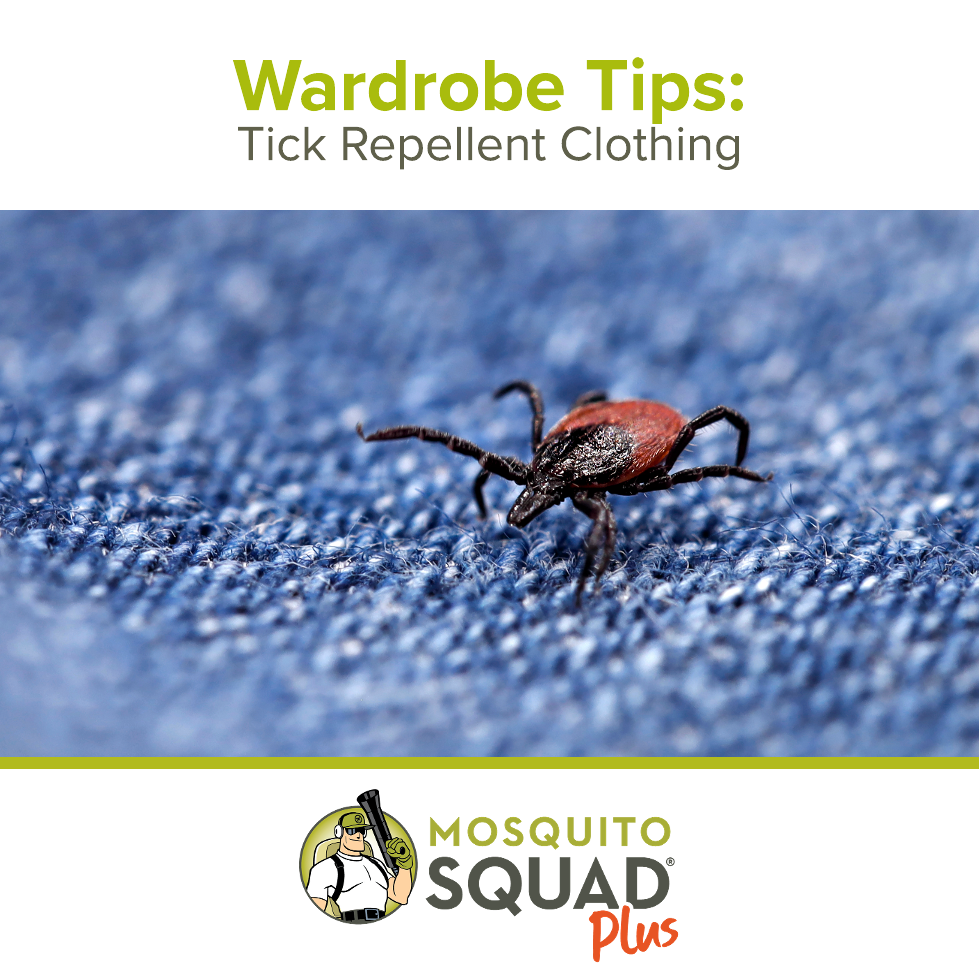
Deer ticks are everywhere here, and that means if you have kids or pets, tick exposure is something you need to take seriously. Children and pets are at greater risk of tick-borne disease for one simple reason: they spend more time in the places where ticks hang out.
Kids roll in grass and explore the woods, which is no doubt great for their development, but it does mean they spend time close to ticks. The same is true for dogs, who can sprint headlong through brush and tall vegetation where ticks are actively trying to find hosts.
That doesn’t mean everyone needs to spend spring, summer, and fall indoors. There are a few simple steps you can take to reduce the risk of tick exposure in your own yard.
How Ticks Find Their Hosts
Ticks don't jump or fly. Thank goodness for that!
Instead, they’ll engage in a behavior called "questing," where they climb to the tips of grass blades and shrub branches, extend their front legs, and wait for something warm-blooded to brush past. When a child runs through tall grass or a dog pushes through a shrubby border, ticks latch on.
With ticks, the trick is to reduce the amount of unmaintained vegetation. That means they have far fewer opportunities to quest in the first place.
Reducing Tick Habitats
Yard maintenance is your first line of defense. Keep grass mowed short, especially around play areas and patios. It’s also a good idea to clear leaf litter and brush piles. If you have firewood, stack it well away from where kids and pets will spend time.
One of the most effective landscaping strategies is creating a three-foot barrier of gravel, wood chips, or dry mulch between your lawn and any wooded edges. It’s possible for ticks to migrate from the tree line to your yard over this barrier, but it’s a good deal harder.
When in doubt, the 6 C's of tick control are a good framework to follow:
- Clear out debris
- Clean up leaf litter
- Choose the right plants
- Check for ticks regularly
- Call a professional
- Care for your pets with veterinary tick prevention
Check Kids & Pets After Outdoor Play
It’s important to be proactive about tick checks because Lyme disease, ehrlichiosis, and anaplasmosis can all be serious problems. The good news is that most tick-borne diseases require ticks to be latched on for a while before diseases can be transmitted.
That means if you take a moment to check your kids for ticks, you can take action before there’s a serious problem. Good places to check include their hairline, behind their ears, armpits, waistband, and between toes.
For dogs, focus on the ears, collar area, between toes, and around the face. Don’t forget about cats, too! They tend to be better at grooming ticks off themselves, but sometimes they miss a spot, and they can get Lyme disease too.
Need Professional Tick Control in Charlottesville?
Professional tick control treatments target the areas of your yard where ticks live: the transition zones between lawn and woods, shaded borders, leaf litter areas, and spots where wildlife travel. It works because technicians know where ticks spend time, and they make those places inhospitable. And repeated treatments make sure this remains true all season long—not something you can say about a single one-off spray treatment.
Want to help protect your family and pets from ticks in Charlottesville? Call Mosquito Squad of Charlottesville at (434) 363-9274 or contact us online for a free quote.
Ask about our 100% satisfaction guarantee.