When Do Mosquitoes Get Bad in Denver?
Posted by Mosquito Squad Plus
May 7, 2026

Mosquito season in Denver typically begins in late April to early May, when temperatures consistently reach the 50s.
If you’ve been enjoying the early summer without a lot of mosquito trouble, you might wonder: “how long could this possibly last?” And the answer is: not very long.
Denver’s mosquito season is predictable, but the intensity varies year to year depending on rainfall. Mosquitoes need warmth and standing water to breed. In the Denver metro area, egg hatching begins when temperatures hold in the 50s, which usually happens in late April or May. Early-season populations tend to be small. You might notice a few mosquitoes on evening walks, but it’s manageable.
The big surge comes in midsummer. July through September is the peak mosquito season on the Front Range. This is when Culex tarsalis and Culex pipiens, the two mosquito species most responsible for West Nile virus transmission in Colorado, reach their highest numbers. Like any mosquitoes, they breed in standing water. That can often be found thanks to irrigation runoff, storm drains, and the puddles left by Denver’s frequent afternoon rainstorms.
The summer thunderstorms are one of the bigger mosquito activity drivers. A heavy rain event creates temporary pools of standing water across the metro area. Mosquito larvae can complete their development in as little as 10 to 14 days in warm water. So a week of rain in July can produce a noticeable spike in biting mosquitoes by early August.
Colorado takes West Nile virus seriously—and it’s for good reason. In 2023, 50 people in Colorado died from West Nile virus, one of the worst outbreaks in the country that year. The Denver metro counties of Adams, Arapahoe, Boulder, Denver, Jefferson, Larimer, and Weld consistently report infected mosquito pools each summer. The risk window for virus transmission runs from roughly July through September, and peaks in August before tapering off through late September and October.
Activity tapers off in late September and October as overnight temperatures drop below 50 degrees. But in mild falls, mosquitoes can persist into October.
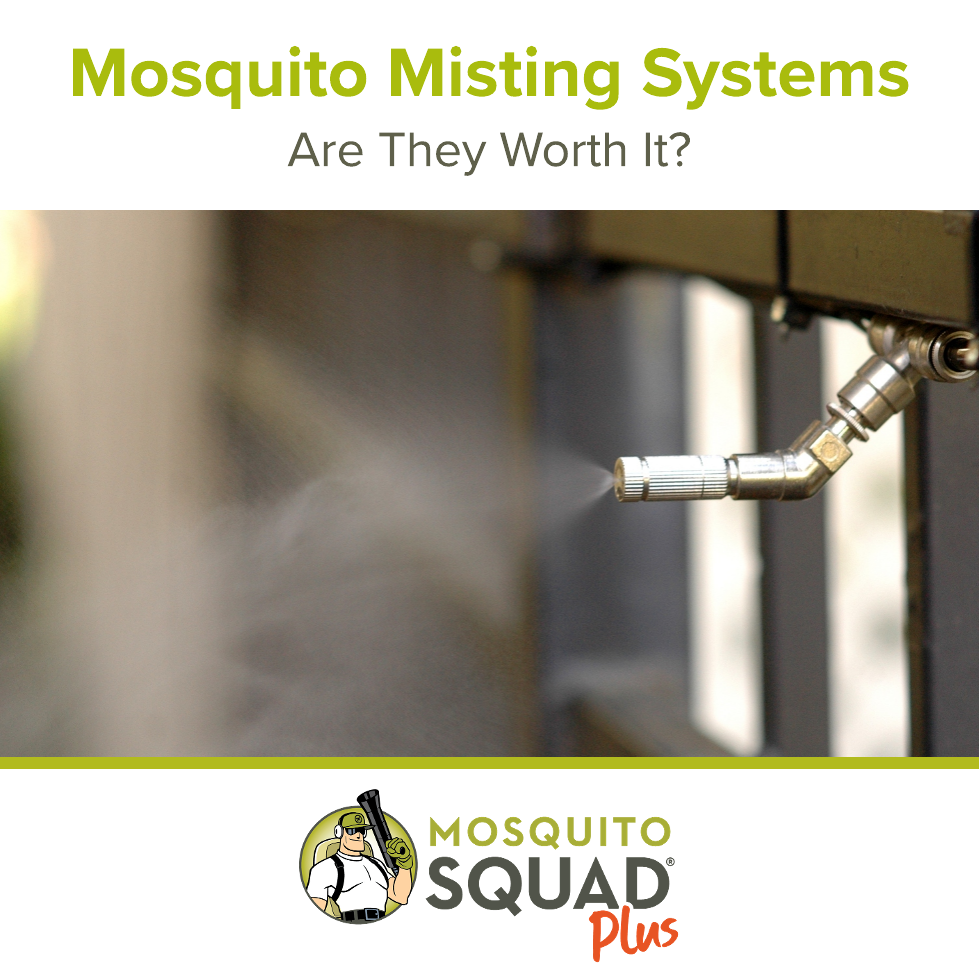
For West Denver homeowners who want to get ahead of peak season, Mosquito Squad of West Denver provides barrier treatments that help reduce mosquito populations by up to 85-90%. Starting treatments in late spring means your property will be more protected before the midsummer surge hits. Each application continues working for up to 21 days.