When a Tick Bite Turns Into More Than Just a Nuisance
Posted by Mosquito Squad
November 17, 2025
The first known fatality resulting from alpha-gal syndrome brings tick control and bite risks into sharp focus. How can we protect ourselves?
Researchers have documented what appears to be the first-ever confirmed death from alpha-gal syndrome. A 47-year-old, previously healthy man in New Jersey died after eating red meat following tick exposure. While this is believed to be an extremely rare outcome, this case sheds light on how tick bites and allergic reactions can intersect in truly surprising ways. Tick exposure awareness, especially in tick-prone areas like Middle Tennessee, is key.
What is Alpha-gal Syndrome?
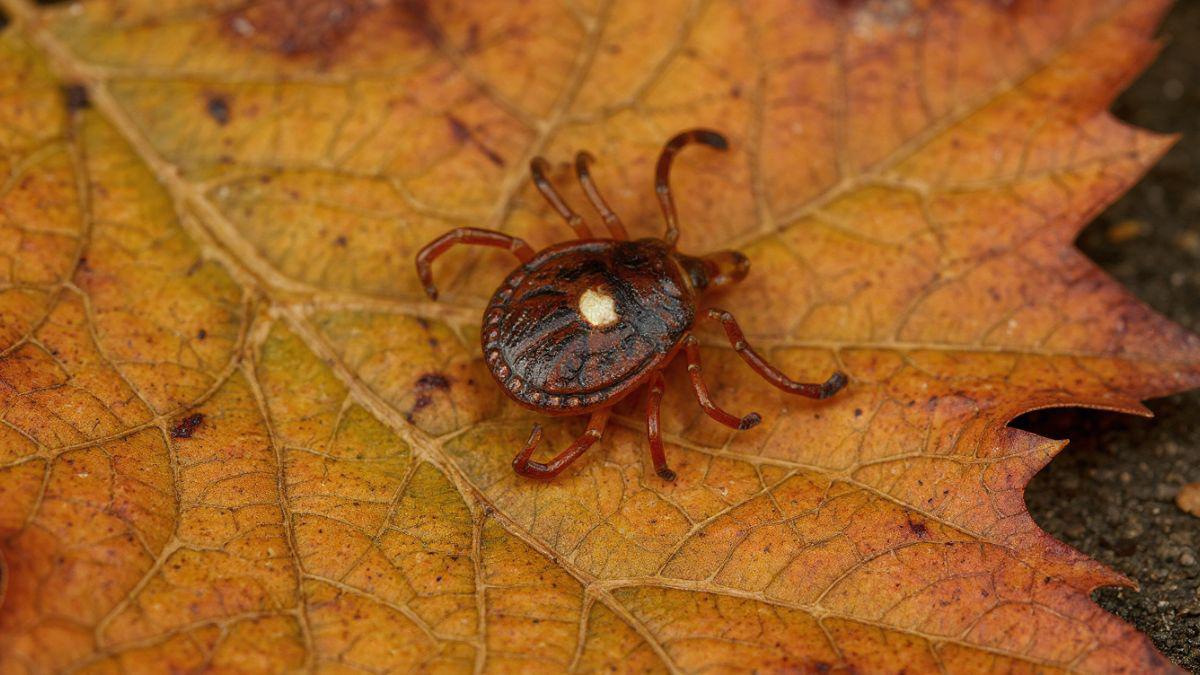
Alpha-gal syndrome (AGS) is a contracted red meat allergy, triggered by a bite from a lone star tick. The tick bite sensitizes the human immune system to a sugar molecule, called alpha-gal, which is found in most mammals – including beef, pork, lamb, and venison. The tricky part is that this allergic reaction doesn’t rear its head for up to eight hours after eating meat. If the illness occurred immediately, it stands to reason that a diagnosis might be reached much sooner.
Symptoms of alpha-gal syndrome can include hives, gastrointestinal distress, facial and tongue swelling, difficulty breathing, low blood pressure, dizziness, and shock in severe cases.
What Occurred in the New Jersey Case?
It is reported that the man went on a camping trip in 2024, where he consumed beef steak, and suffered severe stomach pain, vomiting, and diarrhea. He recovered after some time and did not seek medical attention at the time. About two weeks later, he consumed a hamburger at a barbecue. Four hours later, he was found unconscious, dying later that night. His initial autopsy listed, “sudden, unexplained death.”
However, subsequent testing found that he had severely elevated levels of tryptase, a marker of allergic reaction, as well as elevated antibodies to alpha-gal. This confirmed the AGS diagnosis. The patient is said to have reported chigger bites around his ankles earlier in the summer. Researchers believe that these were likely seed ticks – tick larvae. These tiny ticks are known to be able to transmit illness.
Why Does This Matter for Tennessee Residents?
While this is the first known/documented fatality linked to AGS, tick bite prevention still matters here in Middle Tennessee. The lone star tick is already present in our region. Tick bite risk remains high in wooded, brushy habitats.
We must also remember that delayed stomach issues after a meal doesn’t automatically alert us to a potential earlier tick exposure, which can delay diagnosis and treatment. If you or someone you know becomes ill after eating red meat, it is worth it to mention AGS to healthcare professionals.
If you are ever diagnosed with AGS, avoid mammalian meat and sometimes dairy products and gelatin. You may also be required to carry an epinephrine autoinjector.
Awareness about tick bite prevention is still one of the strongest safeguards against AGS, as well as other potential tick-borne illnesses. This includes treating camping or hunting gear with permethrin or other EPA-registered insect repellent, such as DEET or picaridin. Walk in the center of trails to avoid tall brush or deep leaf litter. Perform thorough tick checks on yourself, your children, and pets after outdoor activity – especially around the ankles, back of knees, waistband, hairline, and groin area.
Maintain your outdoor spaces with professional tick control for your yard by Mosquito Squad of Nashville from springtime through fall.
Choose Mosquito Squad for tick control Nashville!
Mosquito Squad treats mosquitoes, ticks, fleas, and many more outdoor pests throughout the Nashville TN area! Contact us today at (615) 492-3662 or fill out our online form for your complimentary Nashville pest control service assessment and treatment quote.