When Does Mosquito Season Start in Colorado?
Posted by Mosquito Squad
March 25, 2026
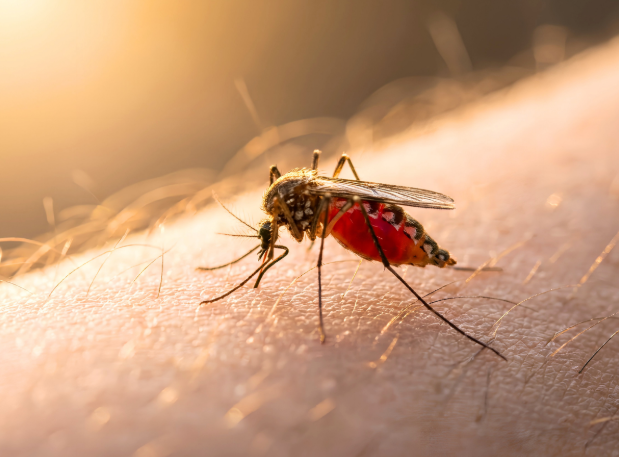
If you've moved to the Front Range from somewhere with heavy mosquito problems, Colorado might feel like a break. You’d think the dry climate and the altitude would keep the mosquitoes away, but it unfortunately doesn’t work that way.
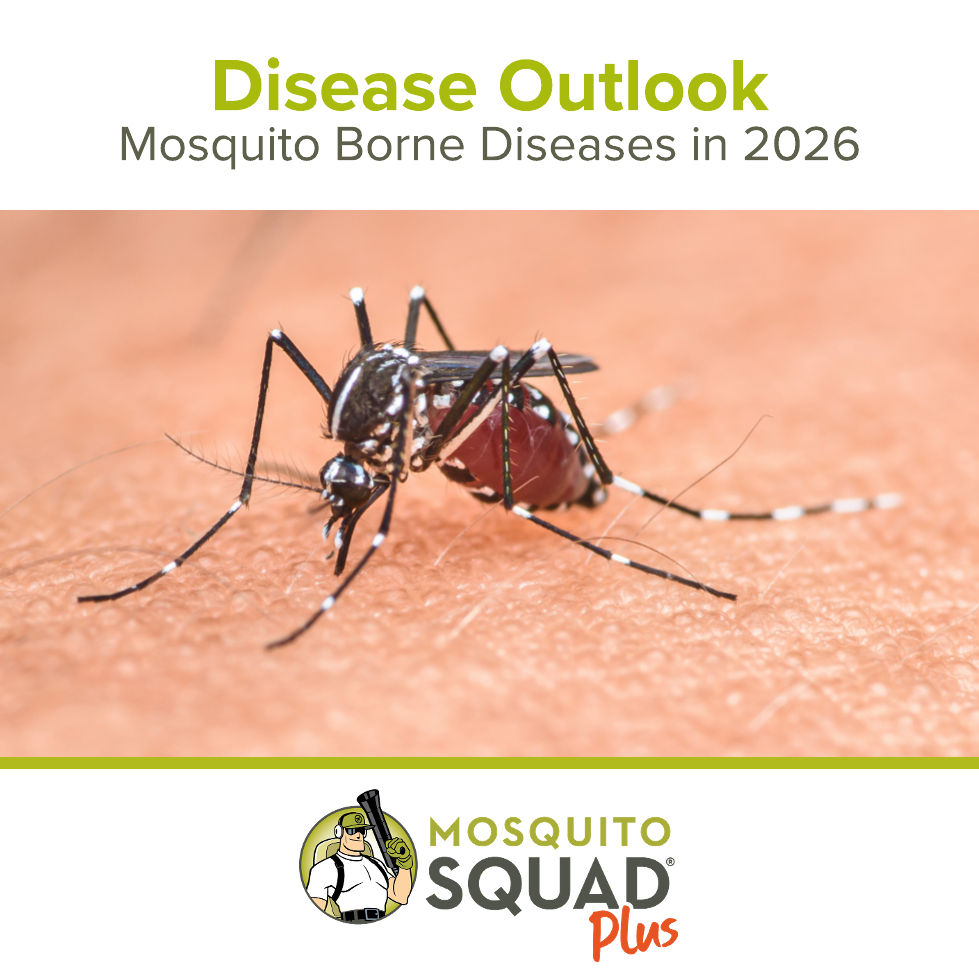
Colorado’s mosquito season runs from June through September, peaking in July and August. Along the Front Range (Fort Collins, Loveland, Boulder), the irrigation, snowmelt, and closeness to reservoirs and rivers mean mosquito populations can take off quickly once the conditions are right.
What Triggers Mosquito Season?
Mosquitoes become active when temperatures consistently exceed 50°F. But populations really spike once nighttime temperatures stay above 60°F. That’s when breeding cycles kick into high gear and adult mosquitoes become aggressive feeders.
Standing water is what mosquitoes need to breed. As snowmelt rolls down the hills in April and May, it pools in low spots, many of which contain mosquito eggs that have been overwintered. Then they start hatching.
By June, those eggs will have produced the first wave of mosquitoes. Then populations take off fast.
Why the Front Range Sees Lots of Mosquitoes
You might expect mosquitoes to be a mountain problem, given all the lakes and streams. But Front Range communities see worse mosquito pressure than higher-elevation areas, and the main reason comes down to irrigation.
Agricultural irrigation and residential watering create standing water everywhere. Over-watered lawns, flooded fields, irrigation ditches, and drainage areas can all be fine mosquito hatcheries. Even in water shortages, there’s no shortage of water from the mosquitoes’ perspective.
Add to that the pleasant evening temperatures, when the evenings stay in the low sixties, and it’s prime time for mosquitoes. That’s a shame, because that’s exactly when people want to be outside. July and August are when mosquito populations peak along the Front Range.
July and August are also when mosquito-related health concerns are at their highest. The mosquitoes that hatched in June have now had time to feed and pick up pathogens from birds and other wildlife. By mid-summer, the mosquitoes biting you are statistically more likely to carry something you don’t want. And this probably tends to continue all the way to Colorado’s first hard frost, which is most often in October.
West Nile Virus in Colorado
Itchy bites are reason enough to deal with mosquitoes. But it’s not the largest issue, as West Nile virus has been detected in Larimer County mosquito samples, and Colorado consistently ranks among the states with the highest West Nile activity.
Most people who contract West Nile Virus do not show symptoms. But in severe cases, it can cause neurological complications, often especially severe in older adults.
Professional mosquito control doesn’t eliminate the risk entirely. But reducing the mosquito population reduces your odds of being bitten, which cuts down on infection risks.
Thinking about Mosquito Treatment in Fort Collins, CO?
The best time to start mosquito treatment is before you need it. Early treatment in May prevents the mid-summer population explosion that makes July and August unbearable. Once populations get a foothold, you’ll be playing catch-up for the rest of the year.
Mosquito Squad of Greater Fort Collins & Boulder can provide your first treatment before the beginning of mosquito activity in your area, and then come back every 21 days to maintain protection through Colorado's compressed summer season. The season typically ends with the first hard frost, usually sometime in October.
Ready to get ahead of mosquito season this year? Call Mosquito Squad of Greater Fort Collins & Boulder at (970) 658-2820 or contact us online for a free quote.