How to Prep Your Home for Pest Season in Princeton
Posted by Mosquito Squad
April 3, 2026

Princeton looks like the kind of place where pest control shouldn't be complicated. The homes here are well-kept, the landscapes mature, the streets quiet. But the mature landscapes, unfortunately, are a large part of the issue. Decades-old trees create canopies that shade entire yards. Established plantings hold moisture against foundations. Canal towpath corridors and wooded lot edges put the ticks quite literally in your backyard.
It looks beautiful. It’s also a pest buffet.
So here’s what you can do about it before the summer arrives.
Remove Yard Waste
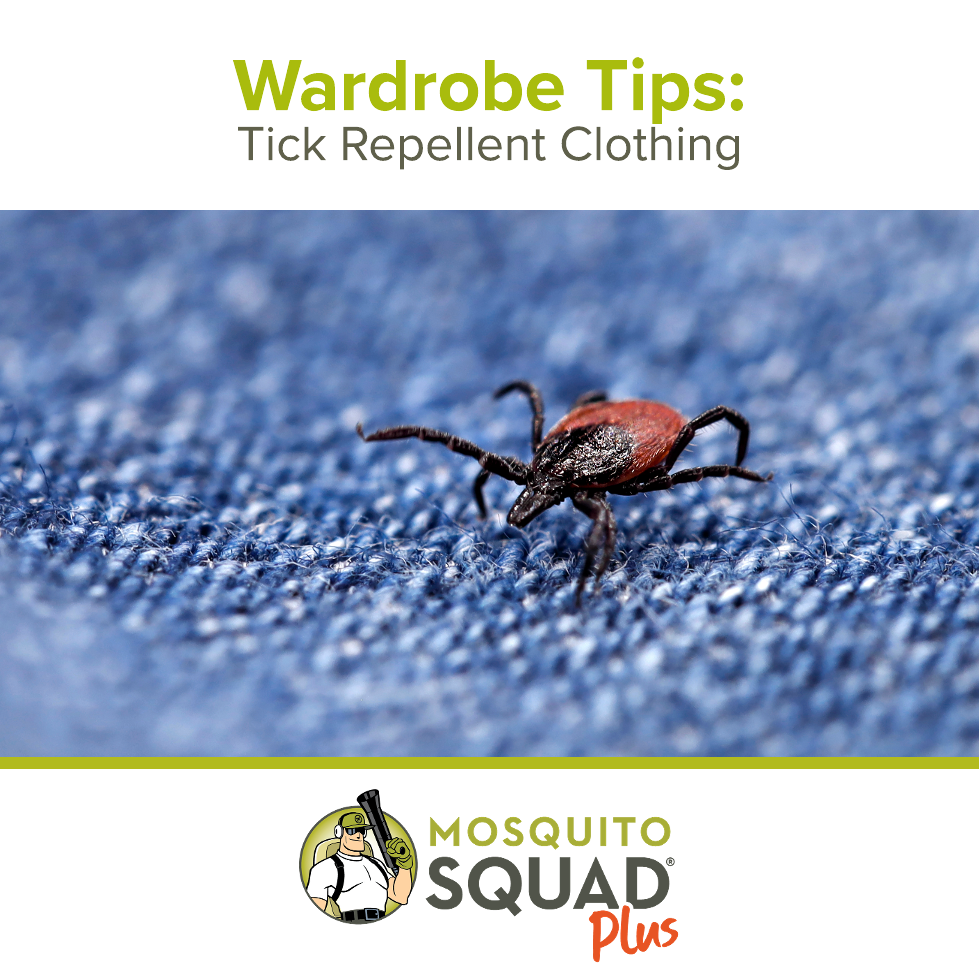
Lyme disease is a big problem in New Jersey, and ticks spread it. The most impactful thing you can do is clear leaf litter out of your yard. Leaf litter holds moisture and shade, and ticks need both. Remove the litter and you remove the habitat. That’s why the second best thing you can do is keep the grass mowed short.
If you do these two things and you still run into tick issues, you might also try adding a three-foot strip of gravel or dry mulch between your lawn and a natural area. This is simple, but it’s one of the most effective ways to stop ticks from crossing over into your backyard.
Reduce Standing Water
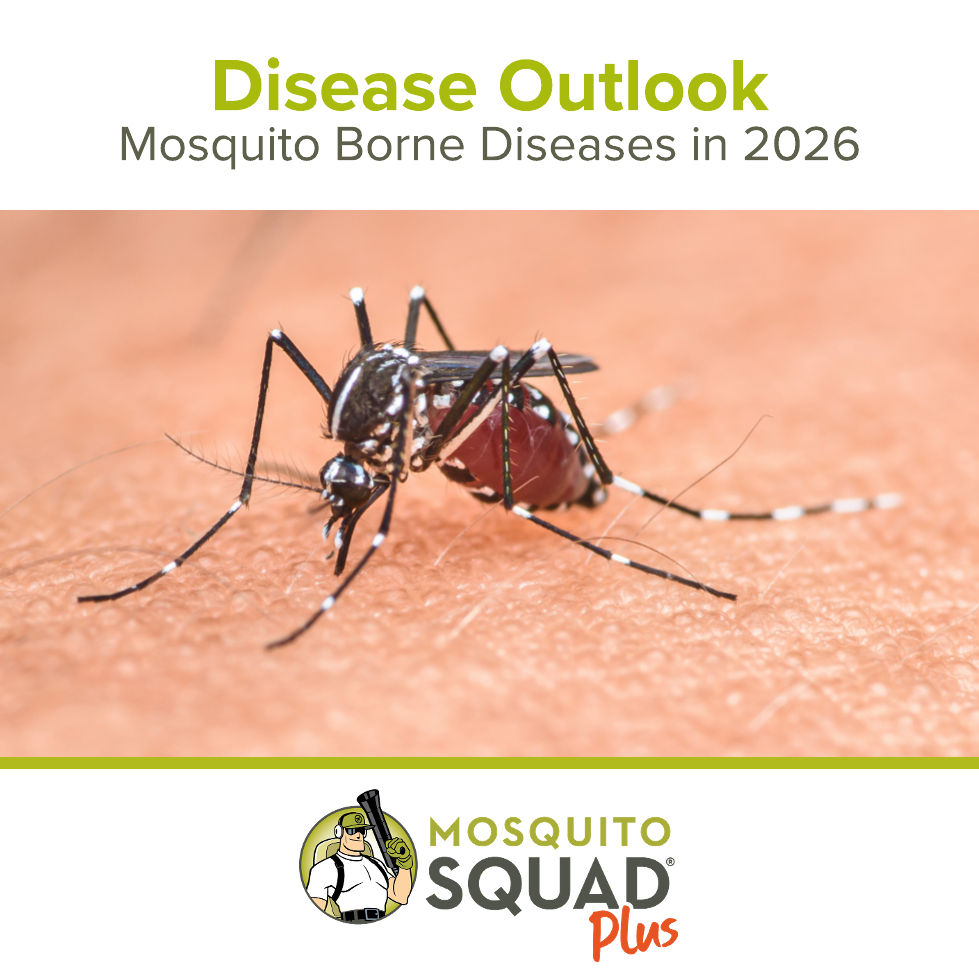
Princeton's mature tree cover means gutters clog faster than in newer subdivisions. And a packed gutter holding water may as well be a mosquito factory.
Beyond unclogging gutters, it’s also a good idea to dump anything that collects water. That includes saucers, birdbaths, tarps, and even kids’ toys. If you do this and you find there are still low spots after rain, you might want to consider improving drainage or regrading.
Watch out for Spotted Lanternflies & Wasps
Central New Jersey is ground zero for spotted lanternfly in the Northeast. The egg masses look like dried mud patches on tree trunks, fence posts, outdoor furniture, stone walls. They’re unremarkable enough to miss if you don’t know what they look like.
If you see an egg mass, scrape it off and put it in rubbing alcohol. This is a quick and easy way to destroy dozens of would-be adult spotted lanternflies before they’re an issue.
Scarier still, wasps are a big issue around here. Princeton has a lot of older homes with lovely architectural details where wasps like to build nests. If you see a small nest in April, remove it while it’s still easy. By summer, that nest will have gotten much larger and the workers are likely to get aggressive when disturbed. It’s very hard to safely remove a large wasp nest and you’ll likely need to call a professional if you find yourself in that situation.
Seal Entry Points
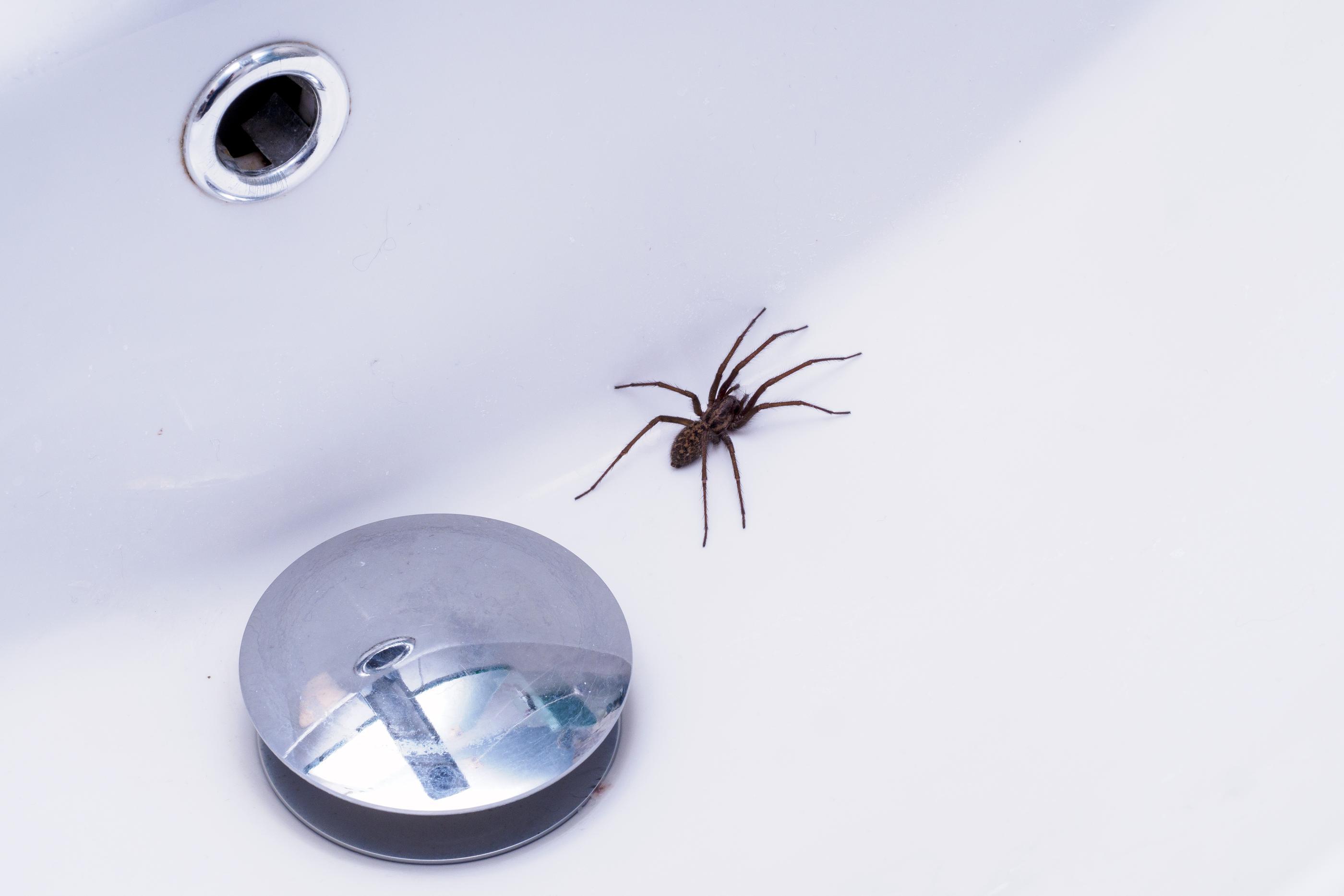
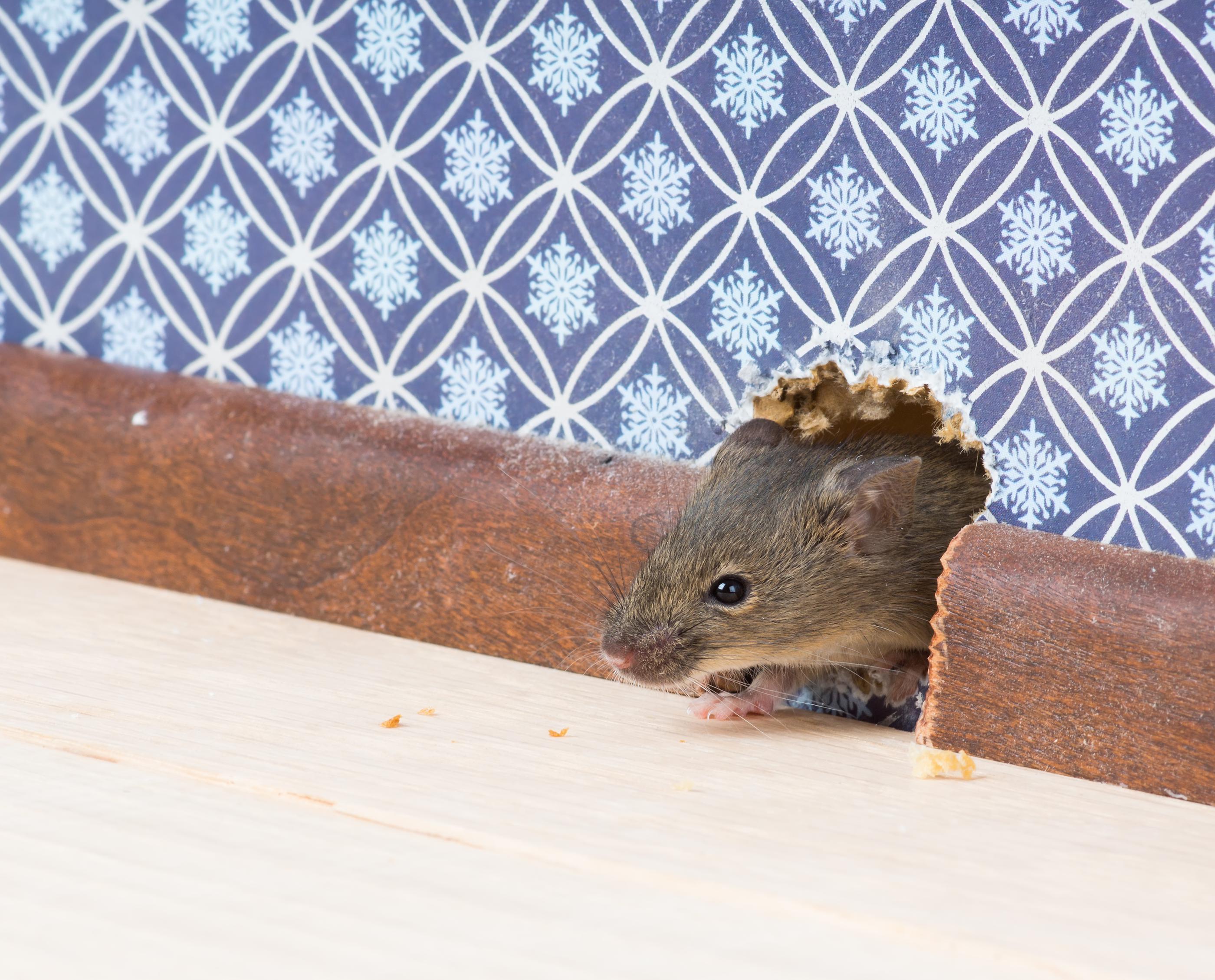
Mice, ants, and spiders all exploit the same entry points. Worn weather stripping, gaps under garage doors, and gaps where utility lines enter the home. Foundation cracks can also sometimes cause trouble.
In the spring, all three of these pests start moving at once. But if you block obvious entry points, you can prevent them from becoming a big problem.
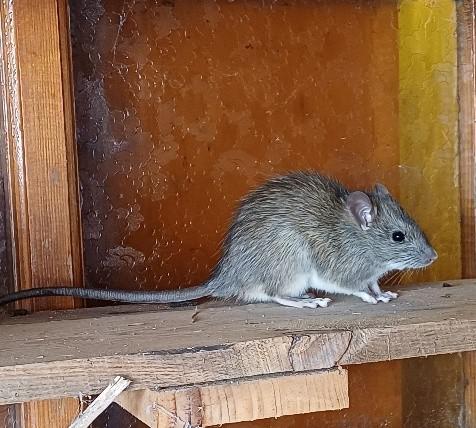
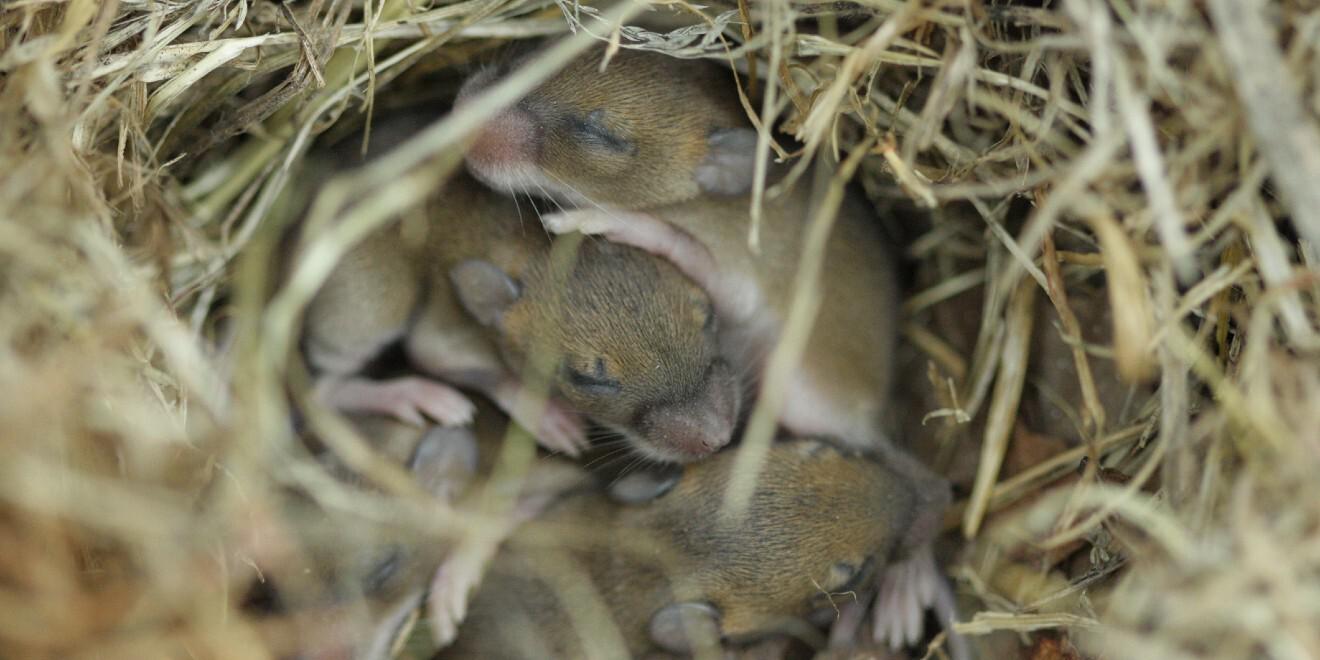
If you’re unlucky and you have mice that have overwintered indoors, you can expect them to start breeding soon. A single female produces a new litter roughly every three weeks. If you see gnaw marks, droppings, or shredded insulation (for rodent nests), it’s a good idea to call for professional rodent control. Infestations are hard to clear without help.
Consider Professional Princeton Pest Control
Mosquito Squad of Princeton offers no-contract seasonal plans that cover mosquitoes, ticks, and other pests through the warm months. A little prevention goes a long way, and spring is the perfect time to act!
Prepping your Princeton property for pest season? Call Mosquito Squad of Princeton at (609) 778-1797 orcontact us online for a free quote.