Springtime Pest Behavior in Woodbridge, CT: A Guide
Posted by Mosquito Squad
March 30, 2026

Woodbridge is one of those New Haven County towns where the forest feels like it's closing in on every property. Large wooded lots and older homes, nestled under the heavy tree canopy, are all a big part of what makes this town special. But it also means that pests are a lot more of a problem in the spring than they are in neighboring suburbs.
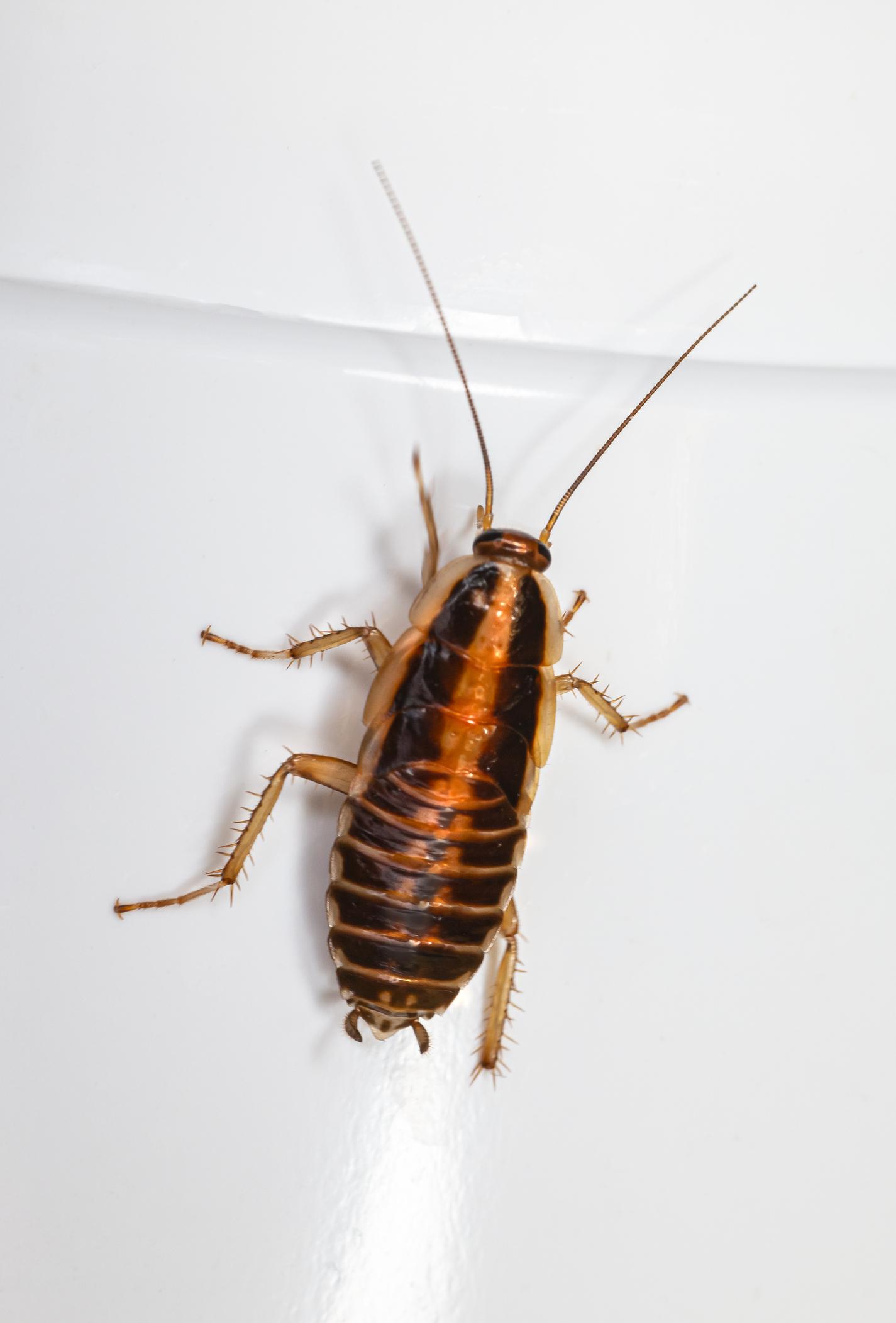
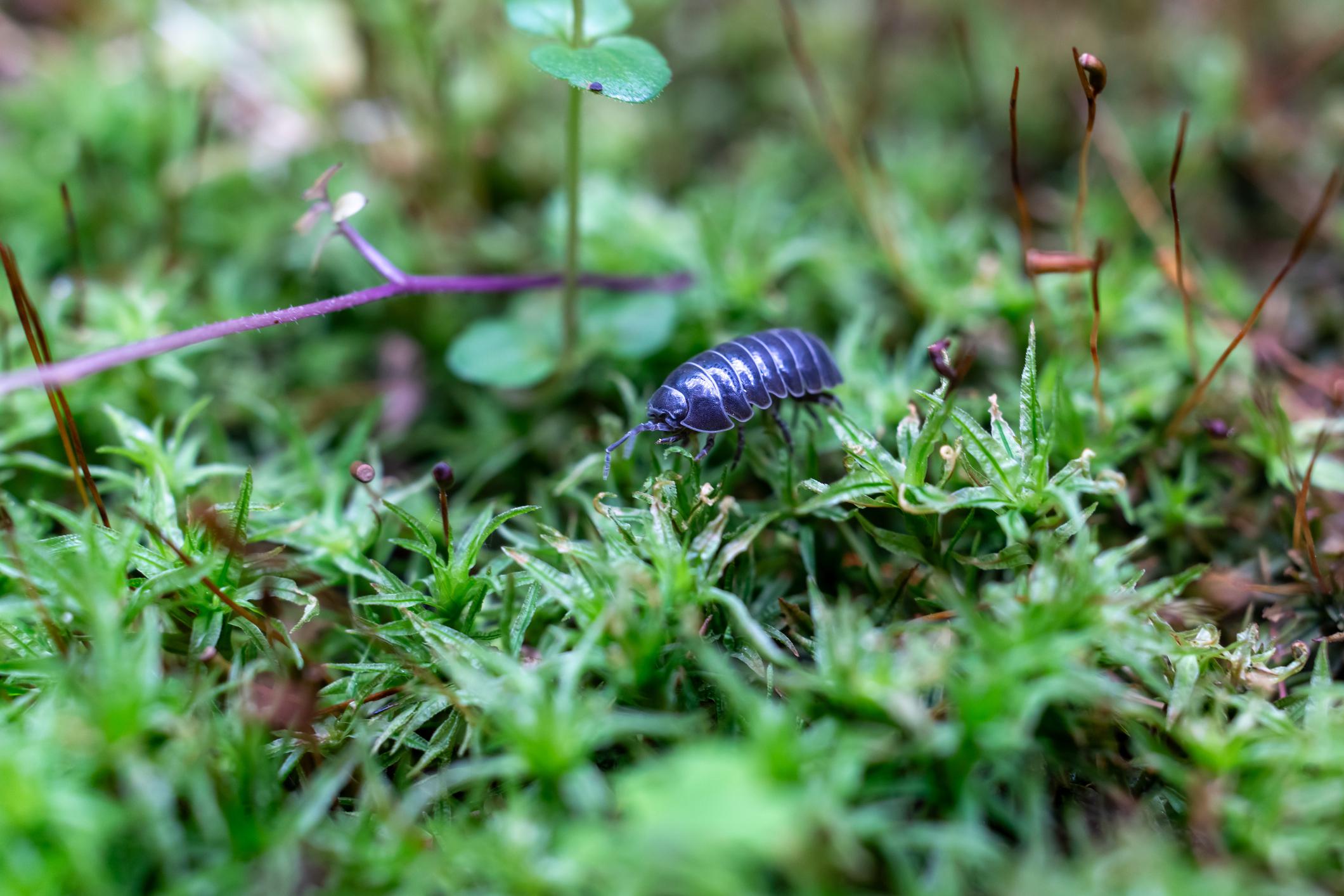
Another fact that’s not exactly comforting: Connecticut ranks second in the nation for Lyme disease. Woodbridge's wooded environment puts it at the high end of that already-high state average. And ticks are just the start of springtime pest problems. Mosquitoes, ants, spiders, and termites all start to become active around the same time.
Tick Season Starts Earlier Than You Think
Once temperatures reach and stay in the mid-thirties or higher, ticks become active. In Woodbridge, that time can come as early as March, which is long before most people start worrying about ticks. That means that by the time the weather is warm enough to enjoy your yard, the ticks might already have been active for weeks.
Ticks hide and breed in the transition zones between the woods and maintained lawns. So if your lawn borders a forested area, you should be aware that the foliage barrier is the exact spot where kids and dogs are most likely to encounter ticks. That’s why our tick control service focuses on treating these areas first.
Carpenter Ants Arrive, Especially in Woodbridge's Older Homes
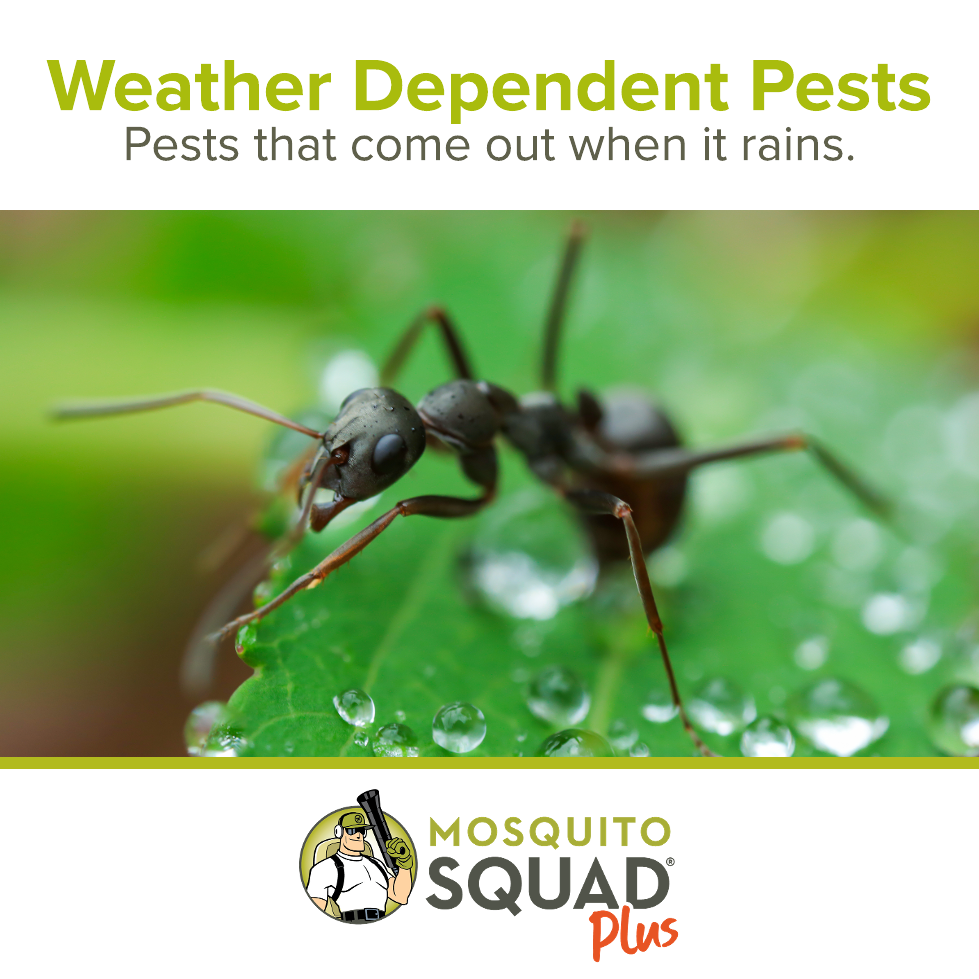
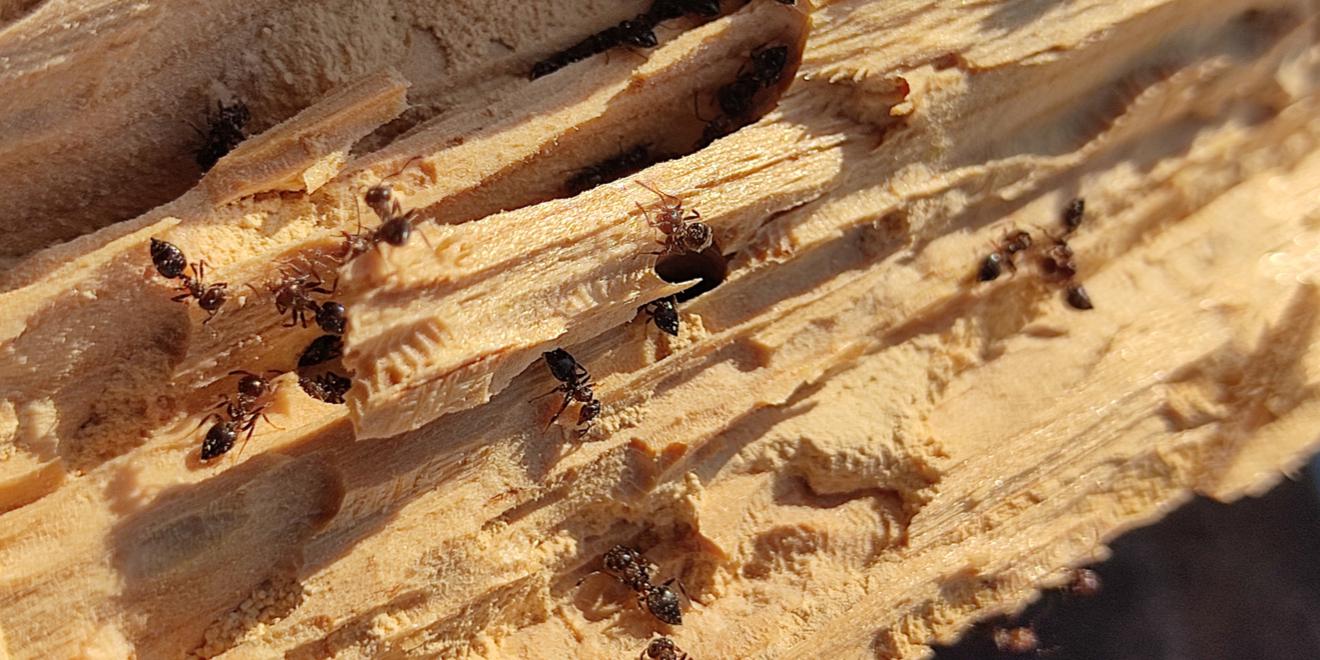
Woodbridge has its share of colonial-era and mid-century homes, and carpenter ants love them. Ants spend winter hiding in damp, old wood. So when the weather turns, you can often find them around old window frames, in attics with ventilation issues, or just about anywhere with a slow leak.
If you have a carpenter ant problem, you'll see large black ants indoors, often near kitchens and bathrooms. When spring arrives, they get to work and start excavating wood, often shaving off bits and pieces of your home’s framing.
Odorous house ants and pavement ants are also troublemakers around here. They have the good sense not to destroy the structure of your home. But they can still be annoying because they trail indoors along moisture paths. And once their trails are set up, the whole outdoor colony needs to be destroyed before the problem can be resolved.
Rodents Go From Overwintering to Breeding
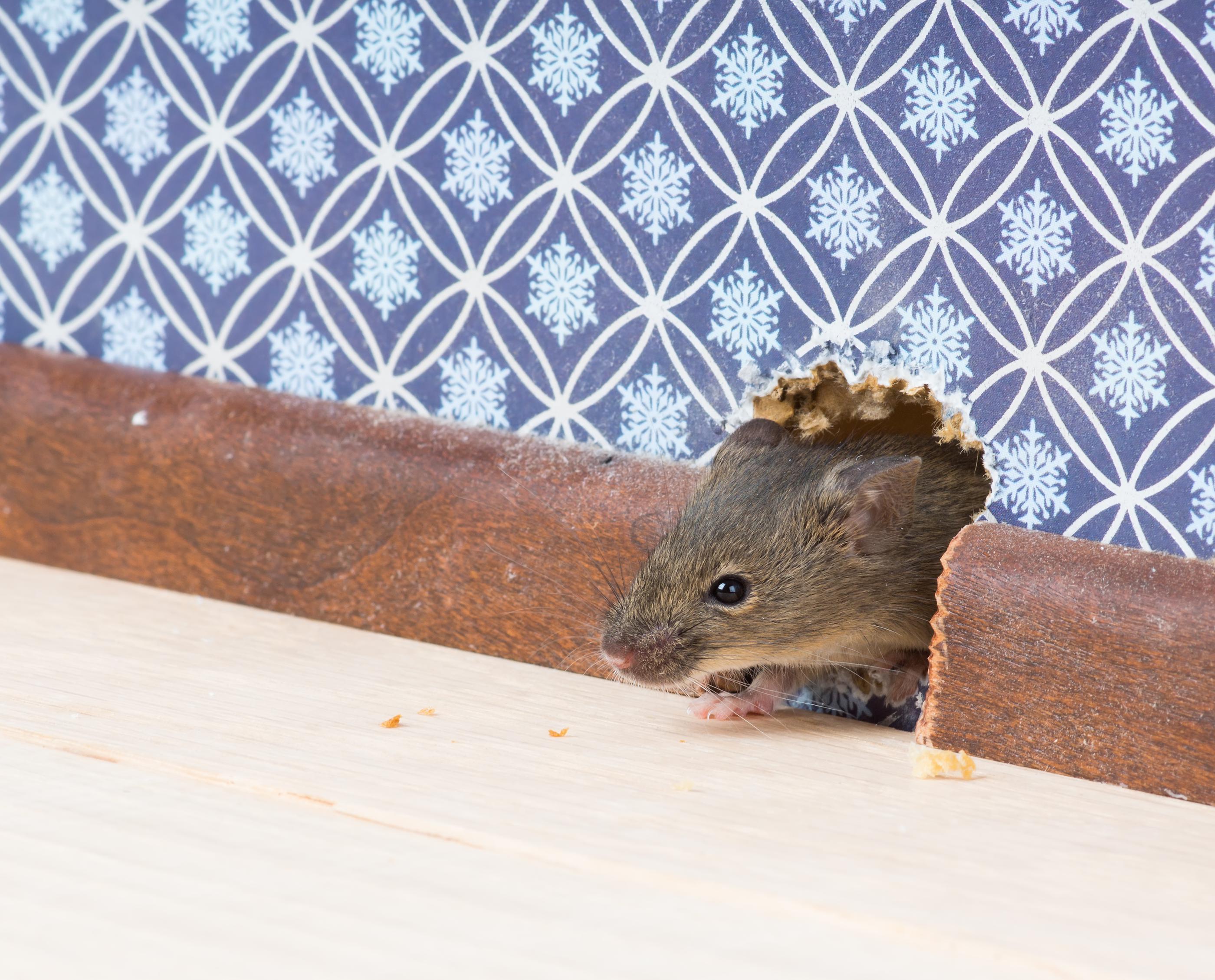
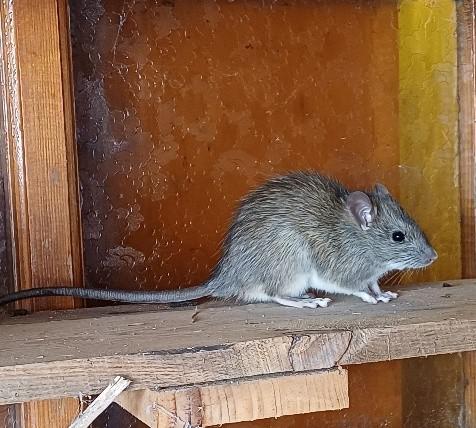
Mice and rats that spent the winter in your home don't leave when it warms up. They transition to spring breeding. A female mouse can produce a new litter every three weeks, so the quiet population that maintained itself in your attic or walls all winter is about to multiply.
If you think you might have a rodent problem, check for droppings, gnaw marks on wiring or insulation, and nesting material in undisturbed areas like attics, basement corners, or behind appliances. Any of these signs mean you have a serious infestation and likely need professional help. In the meantime, you can at least prevent new rodents from moving in by sealing up entry points. Check gaps under doors and windows and around where utility lines enter the home first.
If you have a rodent problem, now is the time to reach out for professional help. The odds are good that they’ve been there since the winter, and if you take action now, they’re less likely to cause more damage to your home.
Spiders Become More Visible
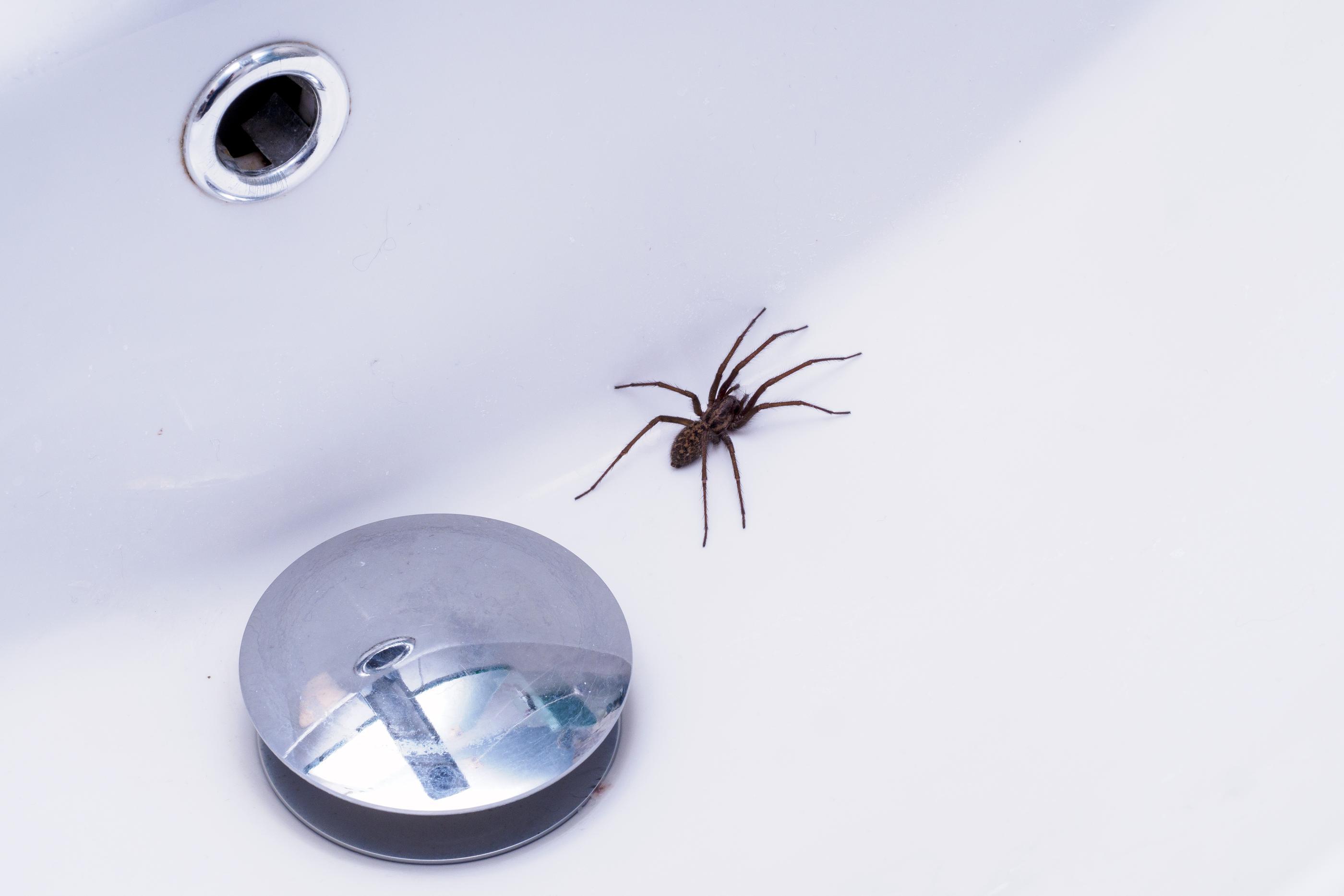
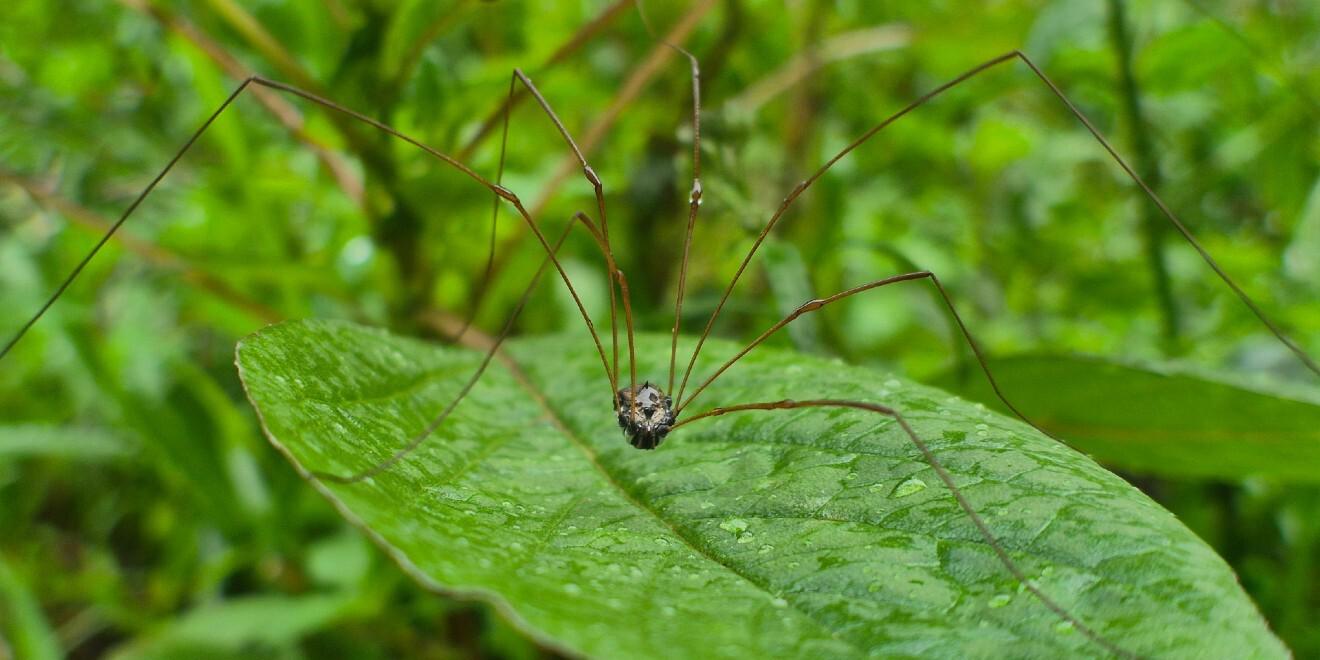
Wolf spiders, house spiders, and highly dangerous black widows all become more active as spring temperatures rise. You'll notice them more, both because they're moving and because they're following the prey insects that also wake up in the spring.
You can remove webs on your own, but that’s not a long-term fix. The best way to handle spiders is to tamp down on the insects that they eat. Once they stop finding so much free food, they’ll be less likely to come around.
Termites and Spotted Lanternflies Appear
Subterranean termites tend to swarm in April and May. Look out for discarded wings near windows and doors, as well as mud tubes on foundation walls. If you see any of these signs, you’ll want to call a professional. Termites can cause serious structural damage to homes and their handiwork is often not covered by homeowners’ insurance.
Around the same time, the invasive spotted lanternfly becomes more active. If you see egg masses on tree trunks or smooth outdoor surfaces, scrape them off before they have a chance to hatch.
Need Professional Woodbridge Pest Control?
Spring is the perfect time to focus on pest prevention. Ticks, ants, mosquitoes, and spiders all become active within a narrow window, and the best time to deal with them is before their numbers spiral out of control.
Noticing spring pest activity in Woodbridge, and don’t want to deal with it on your own? Call Mosquito Squad of New Haven & Fairfield County at (203) 275-0078 or contact us online for a free quote.