How to Prep Your Home for Pest Season in Nassau County
Posted by Mosquito Squad
April 2, 2026

You can keep a spotless property, and the person three doors down with a swimming pool cover full of rainwater could be breeding mosquitoes that end up on your patio. Dense suburban living means shared pest problems whether anyone signs up for that arrangement or not.
That reality makes spring prep more important here than in places where your nearest neighbor is half a mile away. You're managing your own property and compensating for what's happening around you. But though you can’t control the neighbors or nature, there are still lots of things you can do to prep your yard.
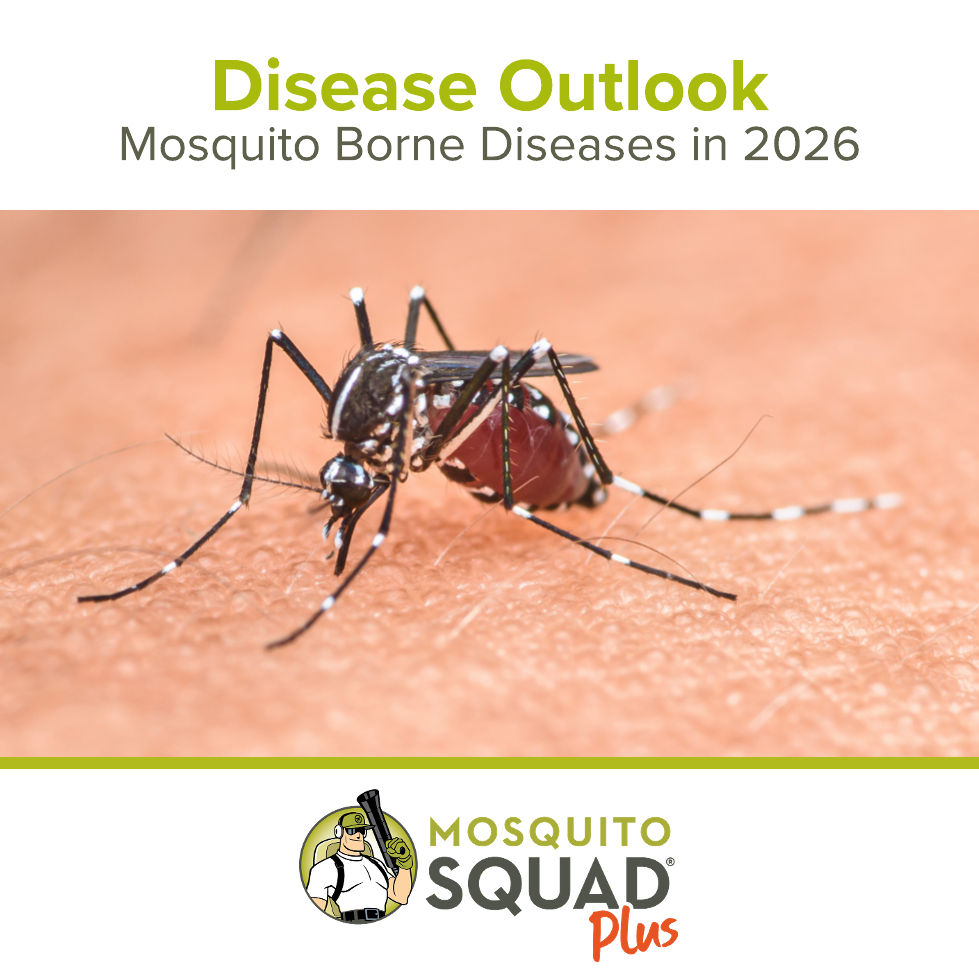
Reduce Mosquitoes by Removing Standing Water
Nassau's South Shore marsh system produces mosquitoes on an industrial scale. That's the background pressure you can't do anything about.
On top of that, every residential yard along the corridor contributes its own micro-breeding sites: clogged gutters, forgotten plant saucers, kids' sandbox covers holding an inch of rain.
Dealing with the second problem is what's in your control. Dump or drain anything holding water. Clean your gutters—truly, this one task probably prevents more mosquitoes than any other single action a homeowner can take in Nassau County.
Reduce Tick Habitats
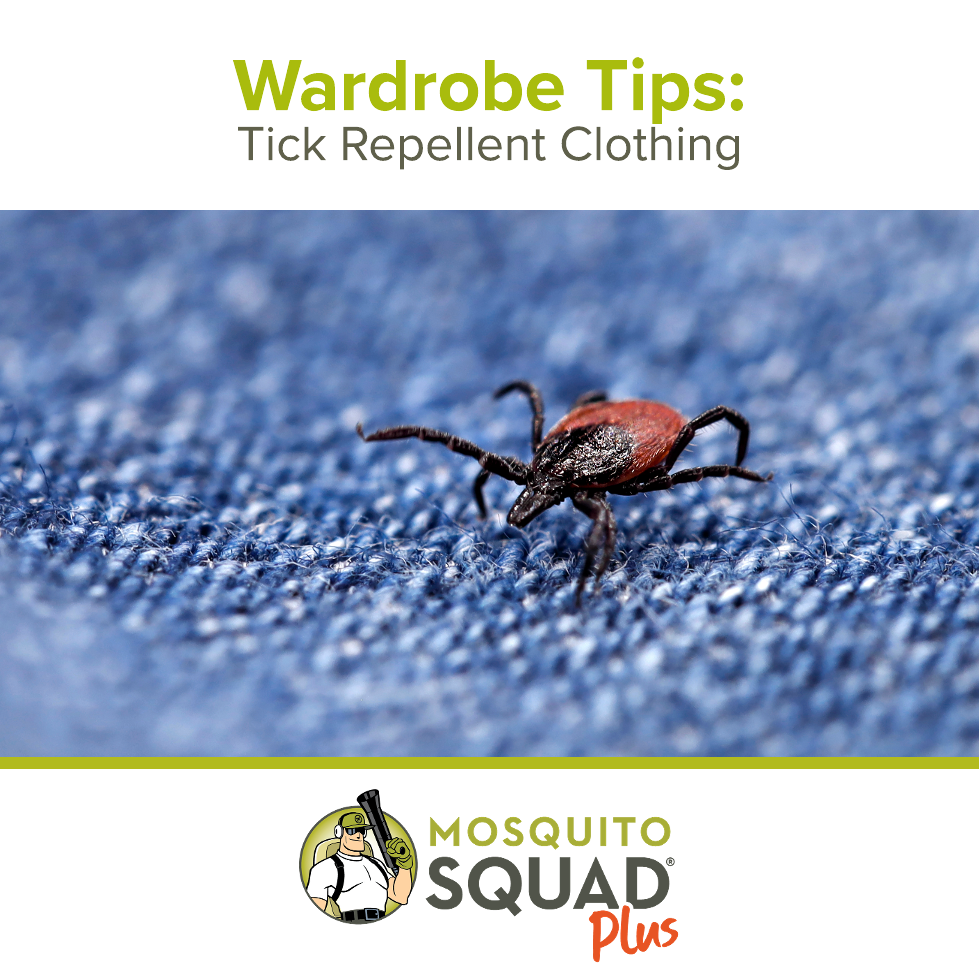
People assume ticks are a rural problem. But that’s not true, and thinking so might cause you some real trouble. Long Island is a Lyme disease hotspot, and deer ticks show up in landscape borders, leaf litter along fence lines, and yards that back up to the narrow strips of green space threading through suburban Nassau.
To help reduce ticks on your property, one of the easiest things you can do is remove leaf litter from property edges. The other big one is to keep the grass short. If your yard borders any kind of natural strip, that’s an attractive zone for ticks. A three-foot barrier of gravel or mulch laid down in this area can create a dry barrier that very few ticks will cross.
Seal Entry Points Before Rodents Breed
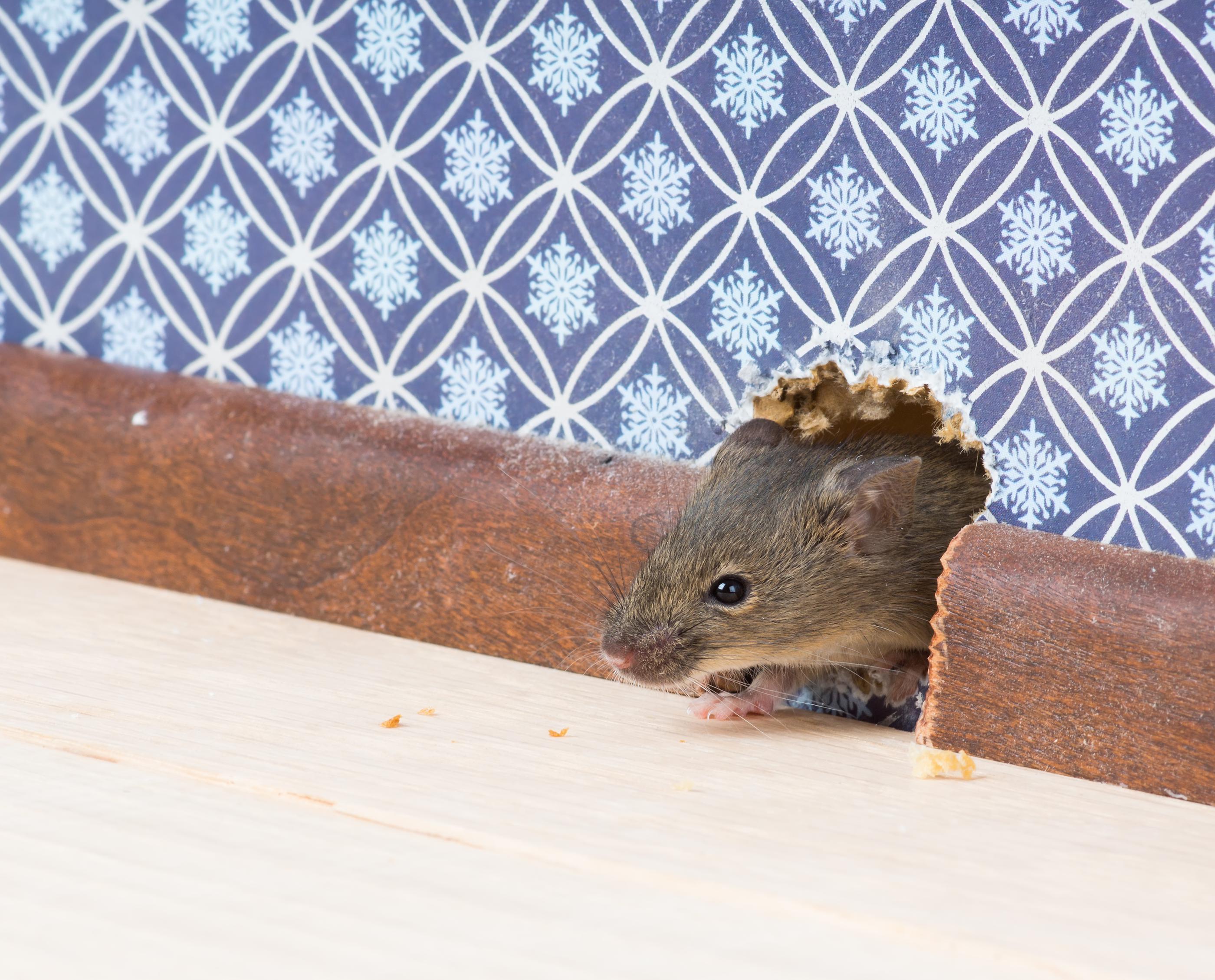
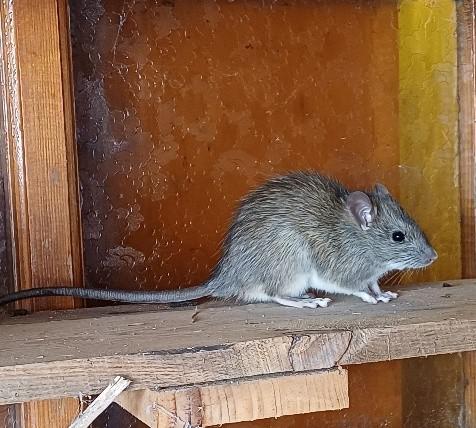
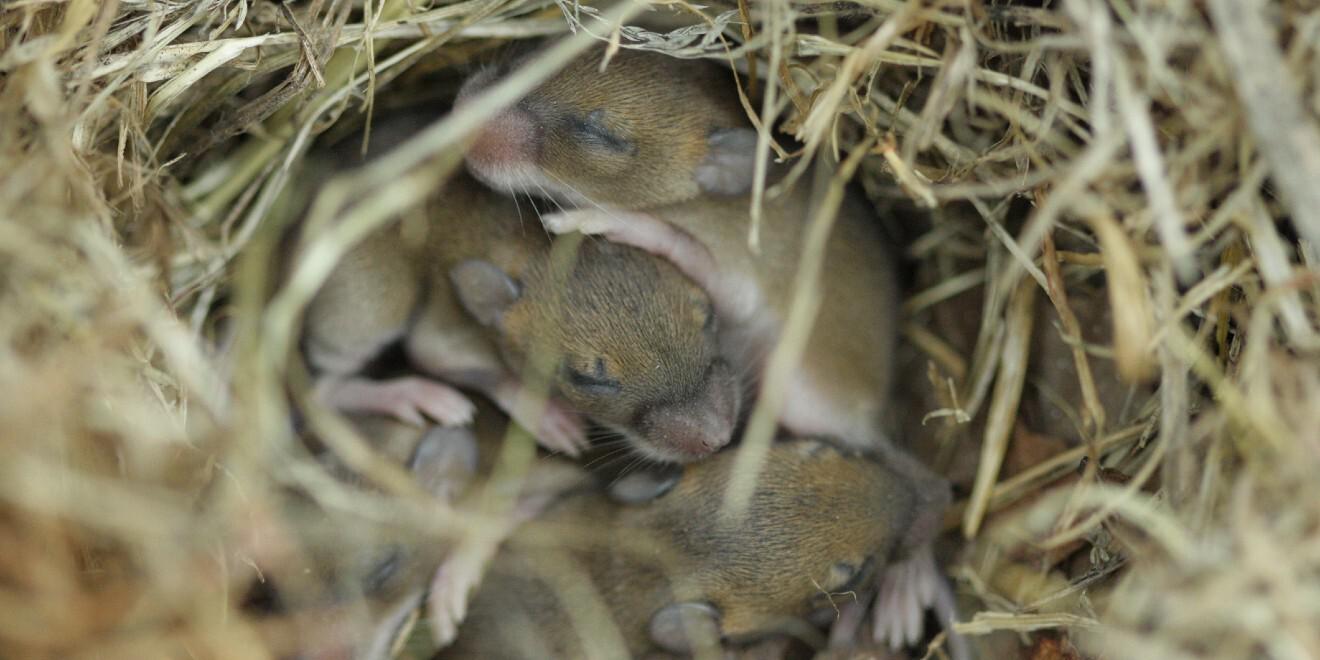
Mice and rats in Nassau County aren't seasonal. They overwintered in somebody's attic, and now they're gearing up for spring litters. This is even worse in Queens, where the population density is greater and mice and rats have more places to hide.
In suburban Nassau, mice slip in through gaps you wouldn't believe. Think the width of a dime!
If you’re not sure if you have a problem with mice and rats, check garages, attics, and basements for droppings, gnaw marks, and shredded nesting material. If you find any of these, it’s a sign you have an infestation and likely need professional control. In the meantime, you can seal any entry points you find to prevent new pests from coming indoors from outside.
It’s best not to wait if you have an infestation. A single female mouse can produce a new litter every three weeks.
Check for Wasp Nests Before They Grow
Queens, the insect not the borough, come out in the spring after overwintering. And they immediately start building. The starter nests under your eaves in April are a one-minute removal job. The established colonies with the basketball-sized nests in July are a headache you don't want.
To prevent wasps, check soffits, fence post caps, mailbox housings, and anywhere else you see a sheltered overhang.
Look out for Spotted Lanternflies
If you've been seeing these on Long Island, you're not imagining it. Check for egg masses on tree trunks, fence posts, and outdoor furniture. They look a lot like patches of dried mud and are easy to walk past. Each one holds 30-50 eggs. Scrape them off into rubbing alcohol or hand sanitizer and you can prevent dozens of adults from hatching in your yard this spring.
Consider Professional Nassau County Pest Control
Mosquito Squad of Nassau County and Queens starts seasonal treatment before peak populations build. Getting your first treatment scheduled early means you're suppressing pests as they come out of hiding. And that beats letting their numbers spiral out of control!
Ready to prep for pest season? Call Mosquito Squad of Nassau County and Queens at (516) 874-3003 or contact us online for a free quote.