How to Prep Your Home for Pest Season in Eastern Connecticut
Posted by Mosquito Squad
March 30, 2026

Most people think pest season starts when mosquitoes show up. In eastern Connecticut, it started weeks ago.
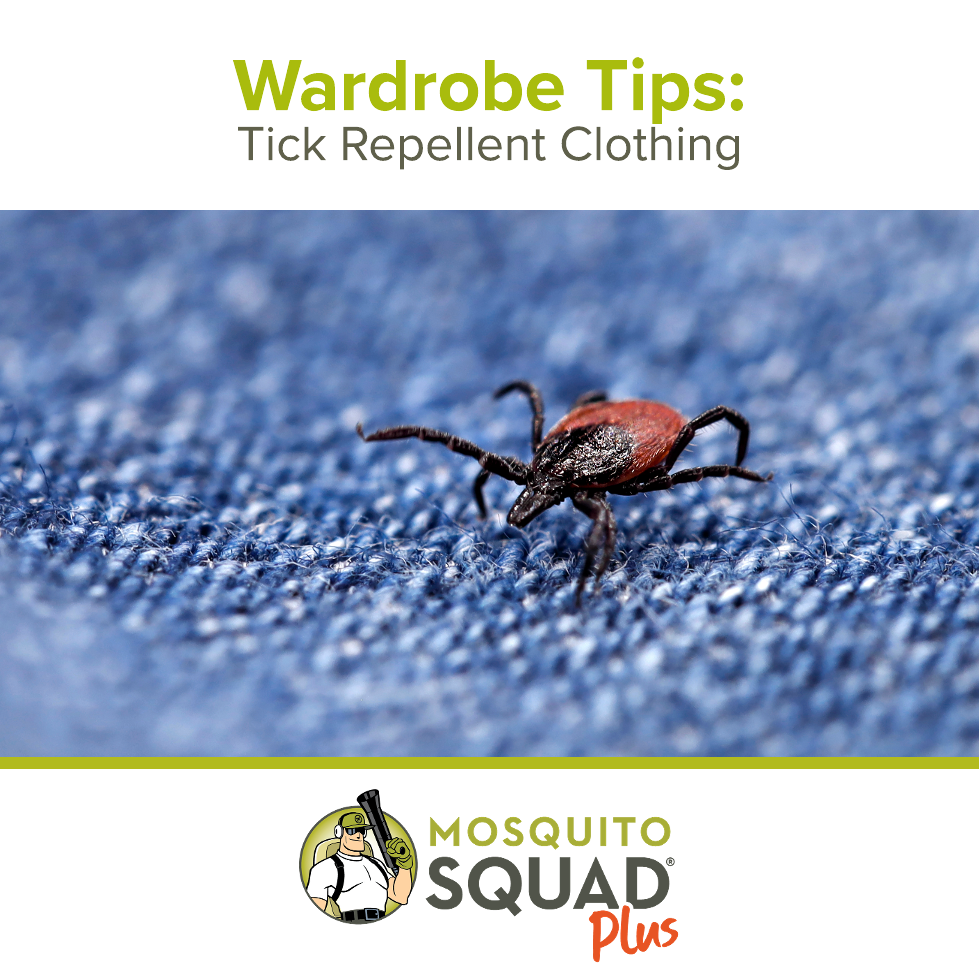
Ticks become active as soon as temperatures creep above freezing. Ask any gardener and they’ll tell you that could be as early as March. By the time you notice the mosquitoes in June, ticks have been quietly waiting in your leaf litter for two or three months. The gap between when tick season starts and when people think it starts is when a lot of Lyme disease exposure happens.
But beyond just ticks and mosquitoes, there are all kinds of nuisances just waiting to make life harder for you. There are also wasps, rodents, insects, ants, and the invasive spotted lanternflies that seem to be everywhere now.
In this guide, we’ll tell you what to look out for and what you can do to prepare.
Reduce Tick Habitats
Connecticut is a top Lyme disease state, but if you live here, this likely isn’t the first time you’ve heard this. What you might not know is that ticks don’t live in the middle of your lawn (generally). They live on the margins, next to wooded borders or shady spots. The same can be said of lush landscaping. That’s because these are all places that stay moist, humid, and shaded. This is the microclimate that ticks depend on to survive.
So start by removing leaf litter and mowing the grass. This alone gives ticks far fewer places to hide. If you’re still having trouble, you can also trim back landscaping and adding a three-foot strip of gravel or dry mulch between your lawn and the tree line gives ticks a crossing they'd rather skip.
If you only have time for one spring task, this is the one that matters most.
Remove Standing Water
Eastern Connecticut's rivers and coasts crank out mosquitoes from sources you can't control. But you can control whether your own property adds to the total.
Start by cleaning gutters. After a full winter’s load of leaves, they might very well be holding water right now. Also clear water from saucers, toys, equipment, and anything else that might be collecting water. Refresh birdbaths weekly if you keep them. If you have any low spots in your yard where water pools, consider fixing drainage issues or regrading.
This step alone can save you a lot of bites and welts.
Seal Your Home Against Rodents and Insects
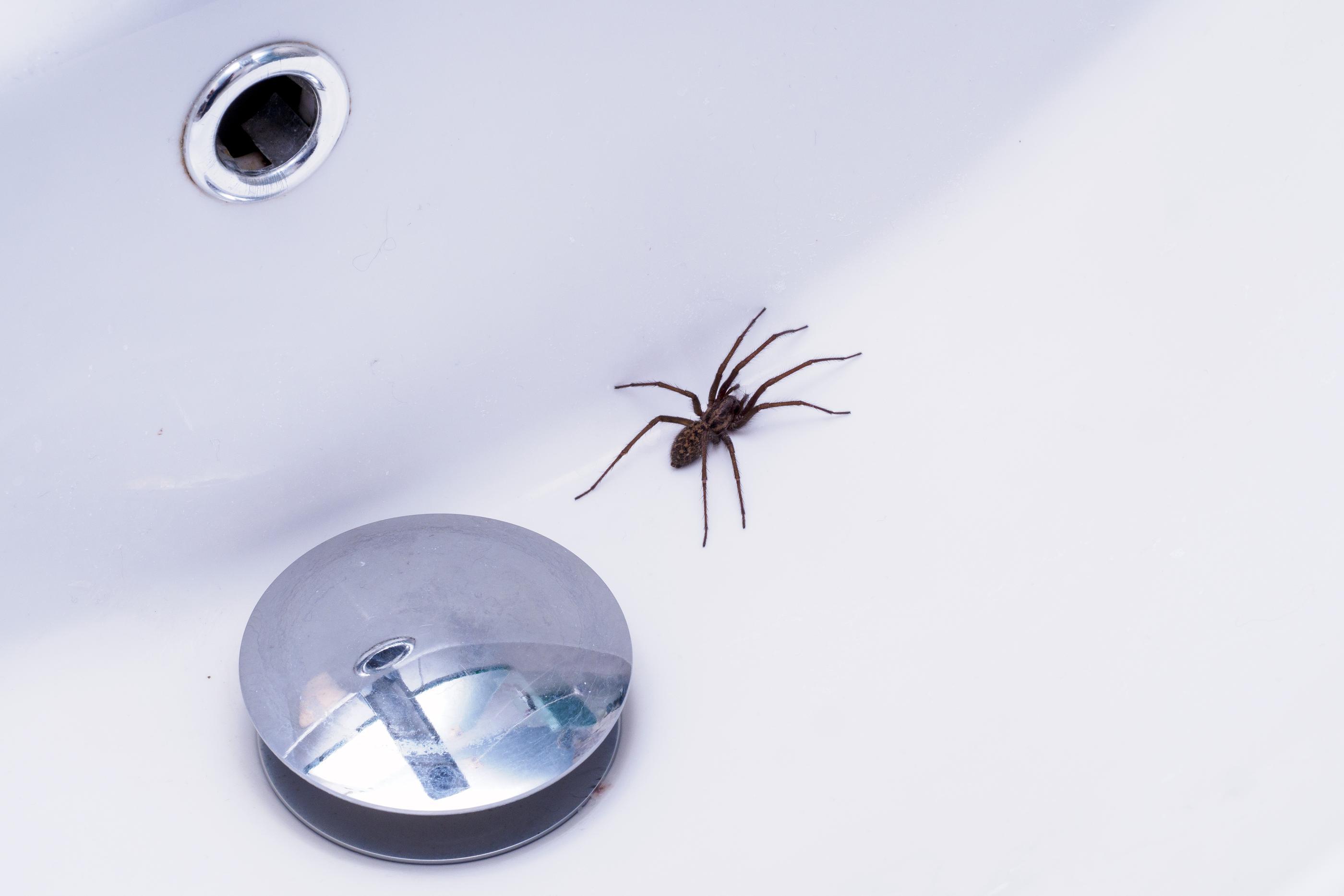
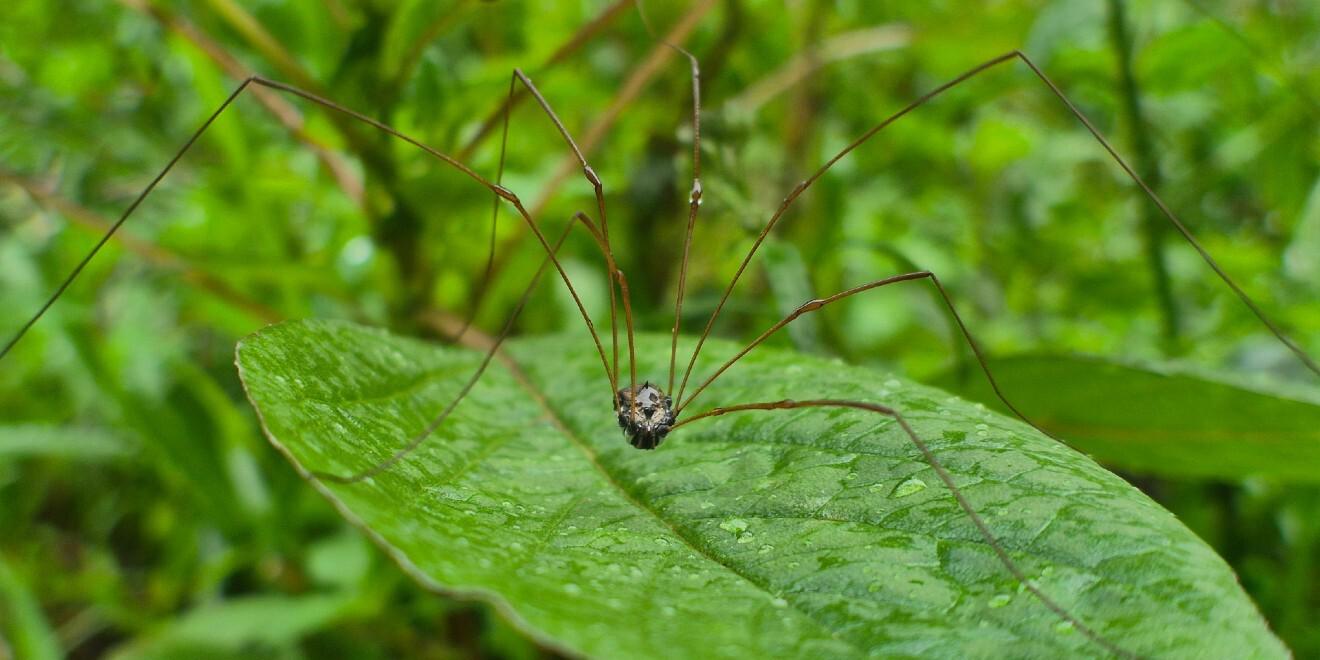
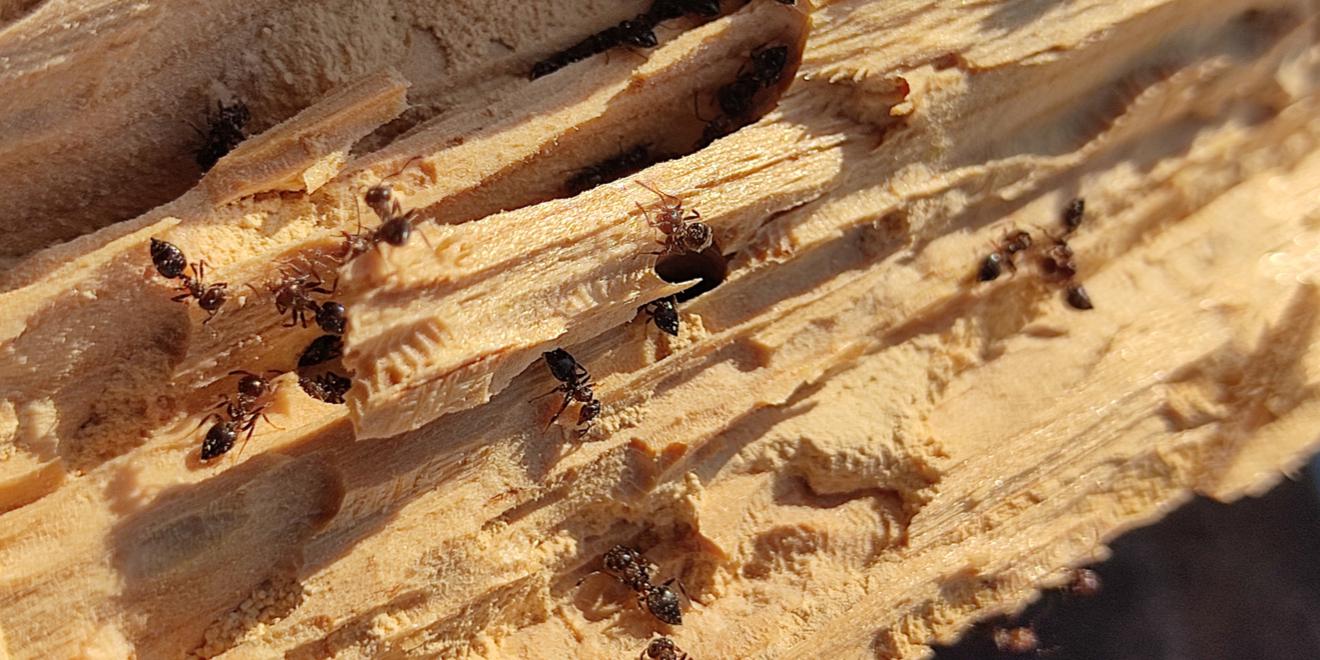
Spring is when wasps start scouting for nest sites, ants start sending foragers indoors, and spiders start showing up in places they weren't all winter. All of them get inside through the same kinds of gaps. So look for foundation cracks, worn door sweeps, utility penetrations, loose window frames.
Fifteen minutes with a caulk gun can help you seal the most obvious entry points. You can also do a lot just by replacing worn weatherstripping. Pay extra attention to where pipes and wires enter the building.
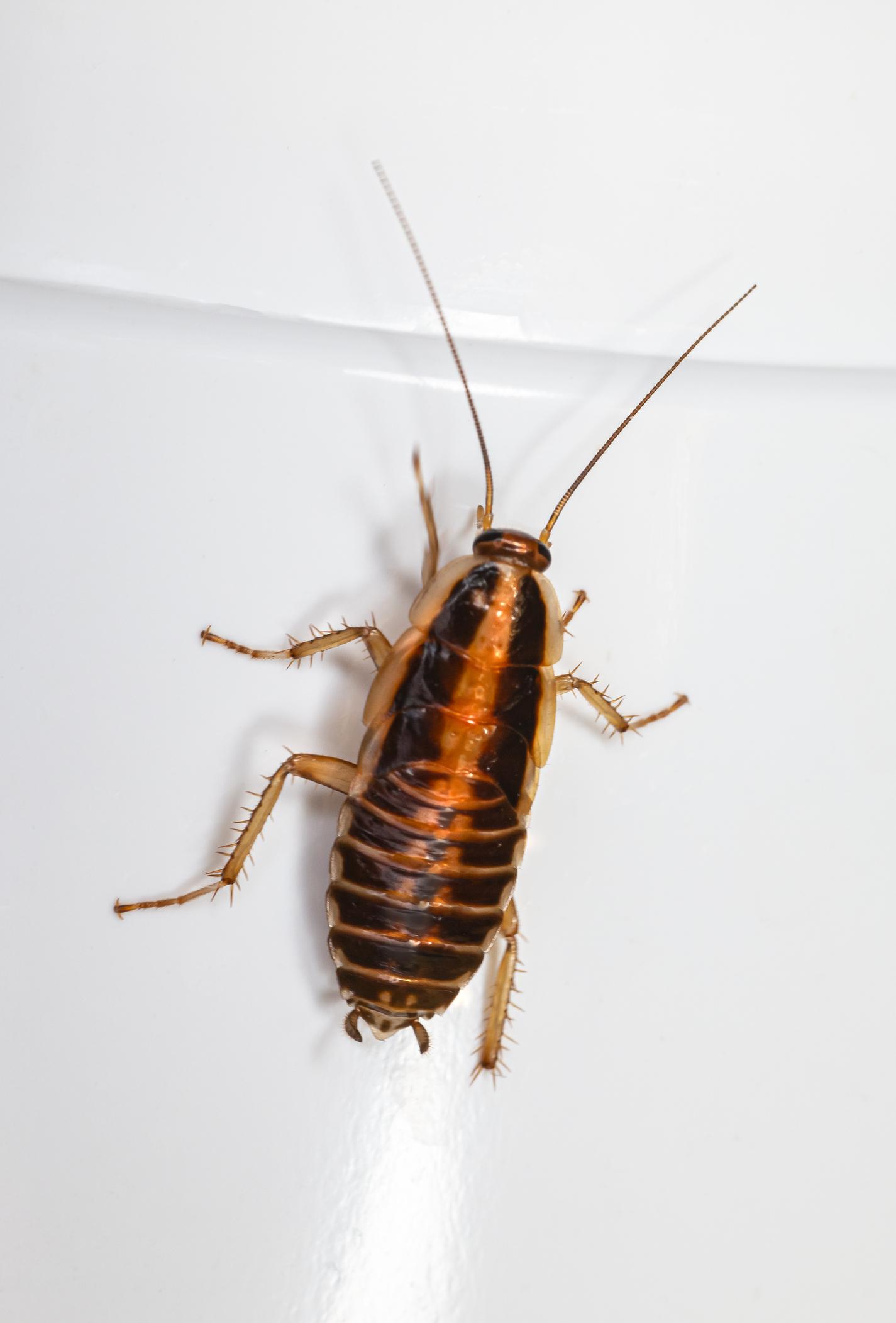
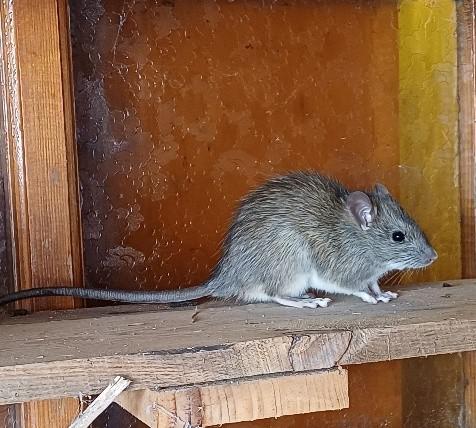
Keep an eye out for signs of mice and rats like gnaw marks or droppings. If they overwintered in your home, they might have been reproducing for a while and you may have an infestation on your hands.
Look out for Spotted Lanternflies
If you haven't dealt with spotted lanternfly yet in eastern CT, you probably will soon. Egg masses look like patches of dried mud on tree trunks, fence posts, and smooth outdoor surfaces. They're easy to miss but worth looking for. Each mass holds 30-50 eggs. Scrape them into rubbing alcohol when you find them and you can keep them from hatching dozens of adults.
Consider Professional New London Pest Control
The earlier you schedule professional treatment, the more it works in your favor. Ticks are already active. Mosquitoes aren't far behind. Treatment before May means you're reducing populations during their vulnerable early stages rather than trying to knock back huge populations mid-summer.
Mosquito Squad of Middlesex, New London & Windham County provides no-contract seasonal plans with treatment every 21 days, starting when conditions warrant and continuing through fall.
Getting your eastern CT property ready for pest season? Call Mosquito Squad of Middlesex, New London & Windham County at (860) 689-1975 or contact us online for a free quote.