Why Tick Season in Vestavia Hills Hits Harder Than Most Birmingham Homeowners Expect
Posted by Mosquito Squad
April 3, 2026
A lot of homes in Vestavia Hills back up to nothing. Not a fence line, not a neighbor's yard. A ravine. A wooded slope that drops off toward Shades Valley and keeps going. It is one of the things that makes the neighborhood feel removed from the city even though you are ten minutes from downtown Birmingham. That same terrain is exactly why tick season here is harder to manage than it is in most of the Birmingham metro.
What Shades Mountain Does to Your Backyard
The Encyclopedia of Alabama describes Vestavia Hills as sitting at the top of Shades Mountain, which forms part of the southernmost reaches of the Appalachian Mountains. That ridgeline is not just scenic. It is the reason a large share of residential lots here have wooded ravines running behind them, canopy that never fully opens up, and drainage that stays wet long after the rest of Jefferson County has dried out.
The Freshwater Land Trust documents that Shades Creek runs 55.8 miles through six cities in greater Birmingham, coursing through Shades Valley at the base of the mountain before emptying into the Cahaba River. The shallow tributary corridors that feed into that system run directly through and under the residential edges of Vestavia Hills. They stay shaded. They stay damp. And according to the Alabama Cooperative Extension System, those are exactly the conditions ticks need, moist and humid areas with leaf-litter substrate under a foliage canopy.
On a flat suburban lot with full sun exposure, that kind of environment exists only in the back corners. In Vestavia Hills, it can describe the entire rear third of your property depending on how your lot sits against the ridgeline.
Deer are the other part of this. They move freely along the wooded corridors between the ridge and the valley floor, and wherever deer travel consistently, tick populations follow. The Alabama Department of Public Health notes that ticks typically dwell in grassy, brushy, or wooded areas and that while they are more active in spring and fall, tick-borne illnesses have been reported year-round in Alabama. A home in Vestavia Hills that backs up to a ravine is the kind of property where that year-round pressure is real, not theoretical.
The Ticks You Are Actually Dealing With
Not all ticks in Jefferson County operate the same way, and understanding which ones you are dealing with matters for knowing when your risk is highest.
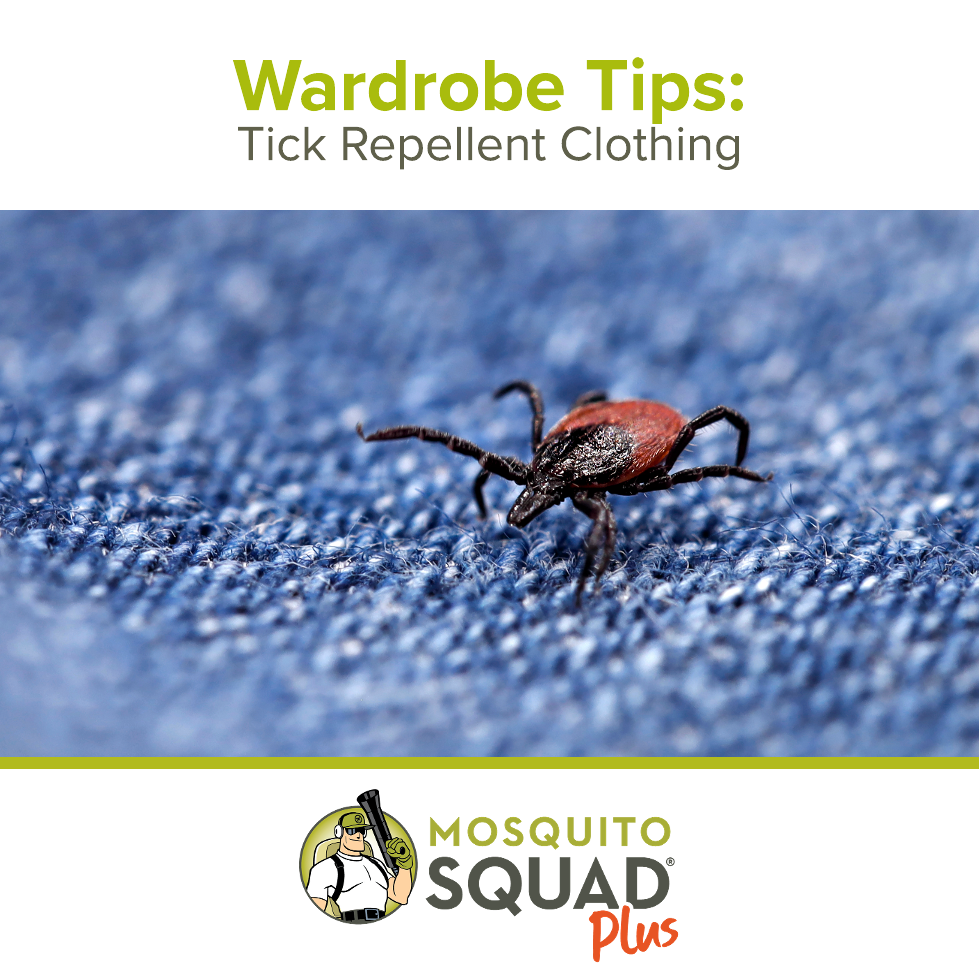
The Lone Star tick is the one most Vestavia Hills homeowners encounter first. The Alabama Cooperative Extension System identifies it as the most abundant tick species in Alabama. Adult females are easily identified by a single white dot on their brown bodies. What sets them apart from other species is behavior. They do not wait passively on vegetation for a host to pass by. They actively pursue human and pet hosts, which is why people find them in maintained yards near the tree line, not just on wooded trails. The diseases they can carry include ehrlichiosis, spotted fever, tick paralysis, and the alpha-gal red meat allergy, a condition where a tick bite reprograms the immune system to reject red meat permanently.
The black-legged deer tick works on a different schedule. UAB News has reported on the growing tick-borne illness risk in Alabama, noting that the black-legged tick is capable of transmitting Lyme disease, Rocky Mountain spotted fever, ehrlichiosis, and tularemia. Its nymphs are active in spring and early summer and are small enough to go unnoticed for days. Their preferred habitat is shaded woodland edges and ravines, which is a description that fits the terrain running behind a large share of Vestavia Hills neighborhoods for most of the year.
Then there is the American dog tick. The Alabama Cooperative Extension System notes it commonly attaches to both human and pet hosts and tends to show up in the yard itself, particularly at the edge where maintained lawn meets wooded vegetation. Anyone with dogs that go in and out of a wooded back area in Vestavia Hills is dealing with this one regularly whether they realize it or not.
Our Birmingham tick control blog covers the broader disease picture for Jefferson County if you want more detail on what these species are transmitting locally.
What Homeowners Try and Why It Rarely Solves the Problem
The standard first response is landscape work. Mow more frequently, pull the brush back from the fence line, clean up the leaf accumulation against the back of the property. The CDC recommends those steps along with placing a three-foot barrier of wood chips or gravel between lawn and wooded areas to restrict tick migration. It is not bad advice. It helps at the margins.
The problem specific to Vestavia Hills is that the tick pressure is not originating in your yard. It is moving through your yard from the wooded ravine behind it. Research referenced by the CDC found that 82 percent of deer ticks on residential lawns are recovered within nine feet of the lawn edge adjacent to woods. You can manage your side of that edge perfectly and still have a significant tick problem because the source is on the other side of your fence line and it is not going anywhere.
Natural sprays are usually the next attempt. Cedar oil, essential oil blends, diatomaceous earth along the perimeter. The CDC is direct that natural products are not proven effective against ticks. In a drier climate that gap might be less significant. In Vestavia Hills, where ravine-adjacent lots stay humid well into summer and the canopy slows evaporation considerably, anything without real residual staying power breaks down before it does meaningful work. Neighbors in Homewood and Mountain Brook deal with the same Shades Creek corridor conditions and arrive at the same conclusion.
What Tick Treatment Actually Does
Here is the part most people do not know going in. Ticks are not spread evenly across your yard. They are concentrated in specific zones, and treating the wrong places does almost nothing.
The Alabama Cooperative Extension System is specific about this. Applications need to go low into ground-covering vegetation and the lower branches of shrubs, where most ticks are found within 12 inches of the ground. The open lawn is not where they live. Spraying it is largely a waste of time and product.
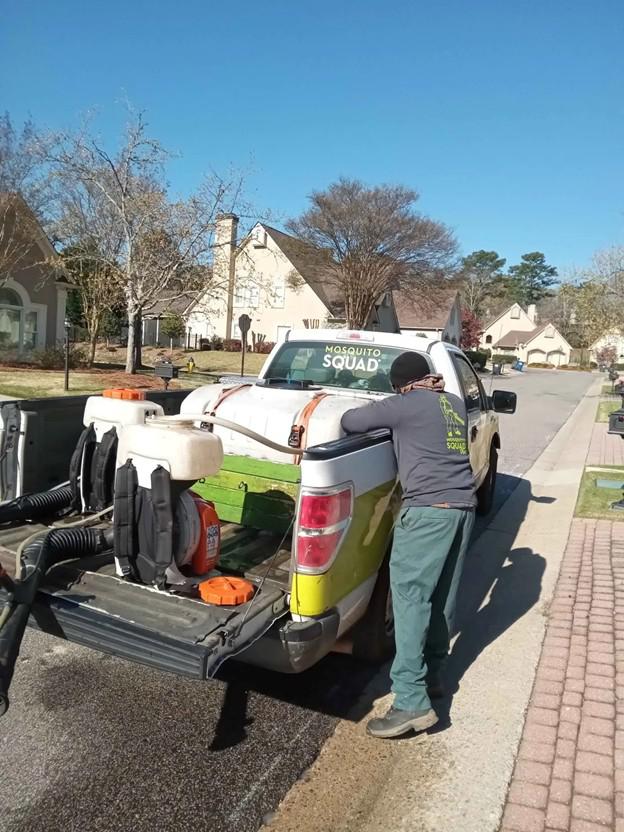
Our tick treatment program for Vestavia Hills is built around the zones that actually matter. The shrub beds along the back fence. The shaded drainage areas where moisture collects after rain. The transition line where your mowed lawn gives way to the slope dropping toward the ravine. That is where the population lives and that is where the treatment goes. Visits run on a recurring schedule through the active season so there is no window between appointments where ticks can quietly re-establish.
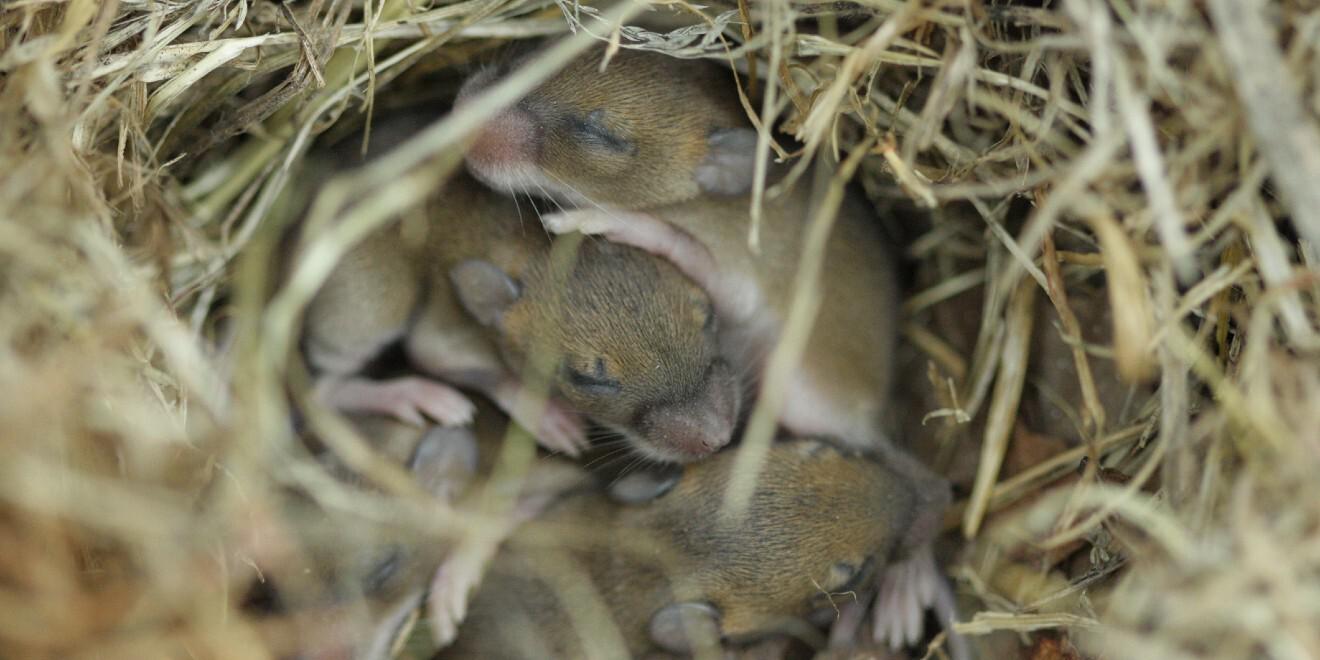
For properties with a serious wooded boundary, tick tubes can add a second layer. They work by getting insecticide-treated material into small rodent nests, killing larval ticks before they ever make it into your yard. The Alabama Department of Public Health recommends staying vigilant and conducting tick checks after any time outdoors. A layered treatment program reduces what those checks find. You can also see how homeowners in Acton and the broader Shelby County corridor approach the same terrain-driven tick challenge through our Chelsea blog and Meadowbrook blog.
When to Start
Most people call us after they find a tick on a child or a dog. That is usually when the problem feels urgent enough to do something about. By that point the season is already running and the population is established.
The Alabama Department of Public Health notes that tick-borne illnesses have been reported year-round in Alabama. In Vestavia Hills specifically, the wooded ravine terrain behind residential lots stays humid and shaded enough that tick populations do not fully shut down the way they do on open flat lots in winter. A stretch of mild January or February temperatures is enough to bring Lone Star activity back before most homeowners have thought once about it.
Getting a treatment program in place before April means you are managing the season. Calling in May after the first bad discovery means you are chasing it. For properties in Vestavia Hills that back up to the ridge terrain, that difference is not small.
Get a free quote for tick control in Vestavia Hills and let us walk the property before the season is already underway.