New Tick-Borne Illness Concern: What Just Happened
Posted by Mosquito Squad
November 18, 2025
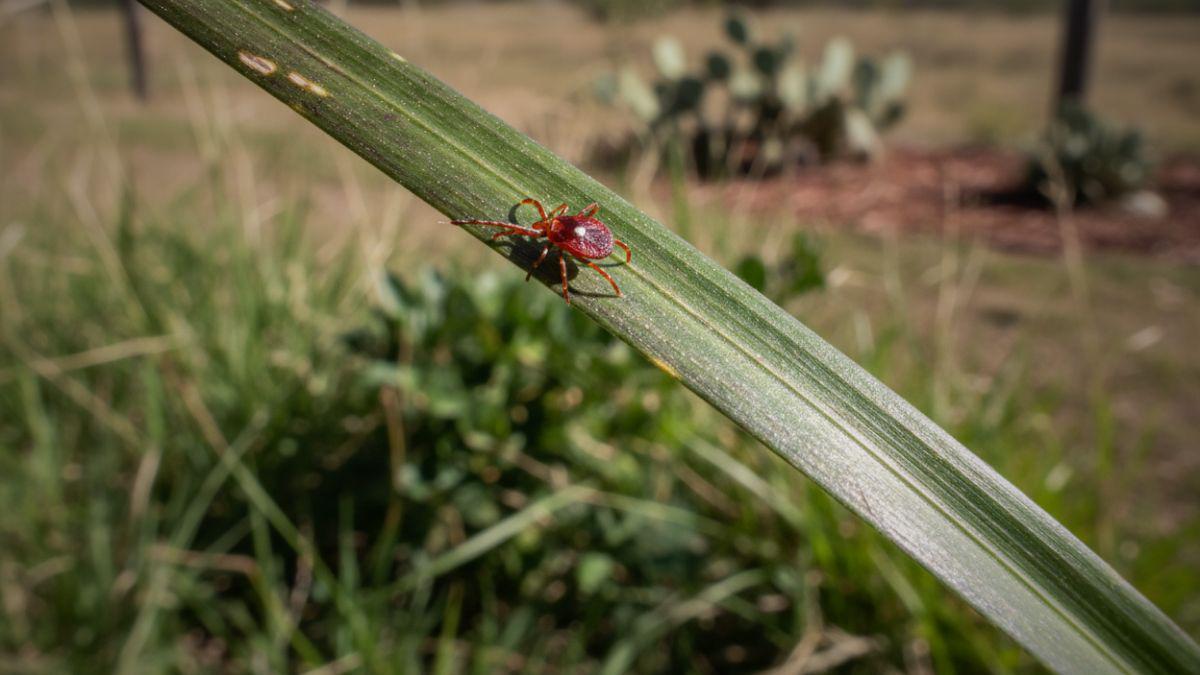
A recent medical case has set our sights on a tick-borne illness, alpha-gal syndrome (AGS), a delayed allergic reaction to mammalian meat consumption.
While alpha-gal syndrome has been known for years now, this new report marks the very first documented fatality associated with the tick-borne allergic response. The goal of this blog is not to create fear, but instead to keep our El Paso community informed about AGS. What it is, how it develops, and why simple tick bite prevention habits can make a meaningful difference.
What Is Alpha-Gal Syndrome?
Alpha-gal syndrome has long been thought to be a troublesome condition, but altogether a manageable one. Sufferers of AGS have been afflicted from the bite of a lone star tick, where a sugar molecule is passed into their blood stream. Their bodies subsequently develop antibodies to the sugar molecule, which is found in mammalian meats, like beef, lamb, venison, and pork. It might also be found in these meats’ by-products. When a person with alpha-gal syndrome consumes one of these foods, they have a delayed allergic reaction, often mimicking a stomach bug. The response, because it is delayed for up to eight hours, makes alpha-gal difficult to diagnose – or can lead to a misdiagnosis of botulism.
In severe cases, the response might include swelling of the lips and tongue, hives, and trouble breathing, that are more akin to typical food allergies. The newly reported fatality reinforces the importance of being aware of signs and symptoms, especially for anyone that spends time outdoors or has a history of known tick exposure.
Why This Case Matters – Without the Fear Factor
Alpha-gal syndrome remains an uncommon affliction and severe cases are even less common. Fatal cases, numbered only one so far, are rarer still. However, being informed equates to being prepared. Many people with AGS diagnoses live full, normal lives by simply avoiding red meat and working closely with doctors to avoid symptoms.
This case highlights the value of tick bite awareness, something especially relevant for families who enjoy time in the great outdoors, and those with pets.
Distribution of the Lone Star Tick
Historically, the lone star tick is prevalently found in the southern, southeastern, and midwestern United States, expanding into to new territories over the last 10 years or so. It’s important to know that this tick has established its habitat across many parts of Texas, even if not yet in the El Paso area. El Paso’s drier desert climate makes lone star ticks less common here than in more humid, greener parts of Texas. The risk is low for encountering a lone star tick here, but with changing climate patterns and animal migration, it’s never zero. Therefore, tick prevention is recommended.
- Keep your landscaping tidy, free of leaf litter or tall grass
- Use gravel or stone to create borders around your yard
- Call Mosquito Squad of El Paso vector control treatments for ticks in your yard
- Protect your pets with vet-approved tick prevention, as they are common tick carriers
- Perform tick checks after spending time outdoors
- Be alert to delayed reactions after eating red meat if you believe you might have had or have known tick encounters
Search for pest control El Paso and call Mosquito Squad of El Paso.
Mosquito Squad is ready to serve you with effective vector control in El Paso TX, including mosquito and tick control, other vector control services, as well as a variety of outdoor pest control services, including residential and commercial mosquito control , fire ant control , fly control , and scorpion control .
Get in touch with Mosquito Squad today by filling out our form online or calling us at (915) 800-0343 for a free pest assessment and quote.