When Does Mosquito Season Start in Colorado?
Posted by Mosquito Squad
March 25, 2026
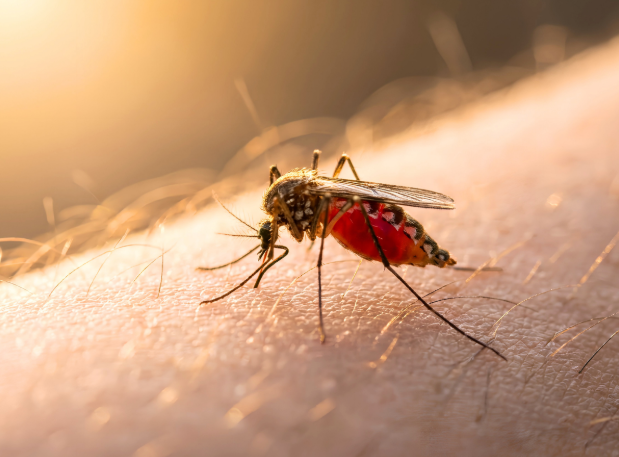
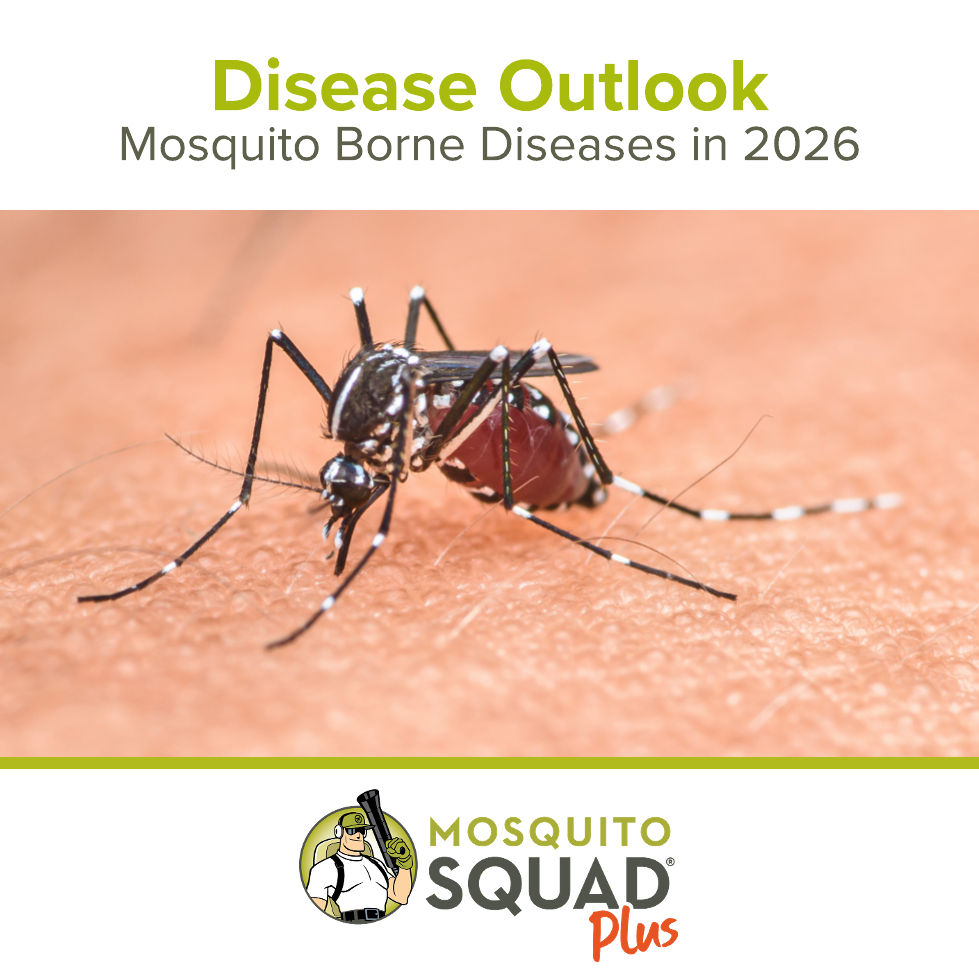
Denver is dry, and that gives people the idea that mosquitoes aren’t much of a problem here. That impression only lasts as long as it takes to be bitten, though. All it takes is one warm evening in June, then you step onto your patio and realize you’re wrong.
In Colorado, mosquito season usually runs June to September. The worst of it is usually July and August. Even in the most built-up parts of Denver, you’ll still run into mosquito problems. And in fact, the irrigation infrastructure and nearby waterways are likely to make it worse.
What Starts Mosquito Season in Colorado
Mosquitoes become active when temperatures consistently reach the fifties, but the real population surge comes once nighttime temperatures stay above 60. That's when breeding cycles kick into high gear.
When spring begins, snowmelt and rains bring more water to the area. Around April and May, this leads to temporary pooling in low-lying areas and drainage channels. When that water reaches overwintered mosquito eggs, it kicks off the first major hatch of the season. Those mosquitoes then mature by late May or early June. Sometimes, it’s a little earlier in the warmer urban parts of Denver.
Why Denver Has a Mosquito Problem
In a city this dry, you'd think mosquitoes would struggle. But Denver's mosquito problem is largely human-made. Residential irrigation, park watering systems, and community green spaces create artificial breeding habitat throughout the metro. Every over-watered lawn, clogged gutter, and neglected planter is a potential mosquito nursery.
Then there are the waterways. Cherry Creek, the South Platte River, and ponds at City Park and Washington Park all give mosquitoes places to hatch. If your property is anywhere near these corridors, the mosquitoes can fly to your property, drop a payload of eggs, and then you’re dealing with a mosquito problem of your own.
When it’s summer in Denver, evenings tend to stay in the sixties to low seventies. That’s great for spending time outside, but it does make the mosquito problem worse too since mosquitoes tend to be most active at those times.
Mosquito Season & West Nile Virus are Worst in July and August
By mid-summer, multiple generations of mosquitoes have hatched and matured. Irrigation is running at full capacity across the metro. Evening temperatures sit in the sixties almost every night. And the waterways that feed Denver’s parks and green spaces are producing mosquitoes constantly.
July and August are when you'll see the most mosquito activity and when health risks are highest. Mosquitoes that have been feeding since June are more likely to carry pathogens picked up from birds and other wildlife.
West Nile virus has been confirmed in Denver-area mosquito samples. And Colorado regularly ranks among states with the most West Nile activity, including in the metro area. Most infections, thankfully, don’t result in symptoms, but severe cases can lead to neurological problems, particularly in older adults.
Reducing the mosquito population on your property doesn't eliminate the risk, but it lowers your exposure meaningfully.
Want to Get Ahead of the East Denver Mosquito Season?
Early treatment in May or June makes a world of difference. Starting before populations peak means you're suppressing mosquitoes as they emerge rather than trying to knock down an established population mid-summer.
Mosquito Squad of East Denver begins treatment when conditions are right and returns every 21 days to maintain protection through the season. The first hard frost, typically in October, tamps down on mosquito activity for the year.
Want to get ahead of Denver's mosquito season? Call Mosquito Squad of East Denver at (720) 500-8064 orcontact us online for a free quote.