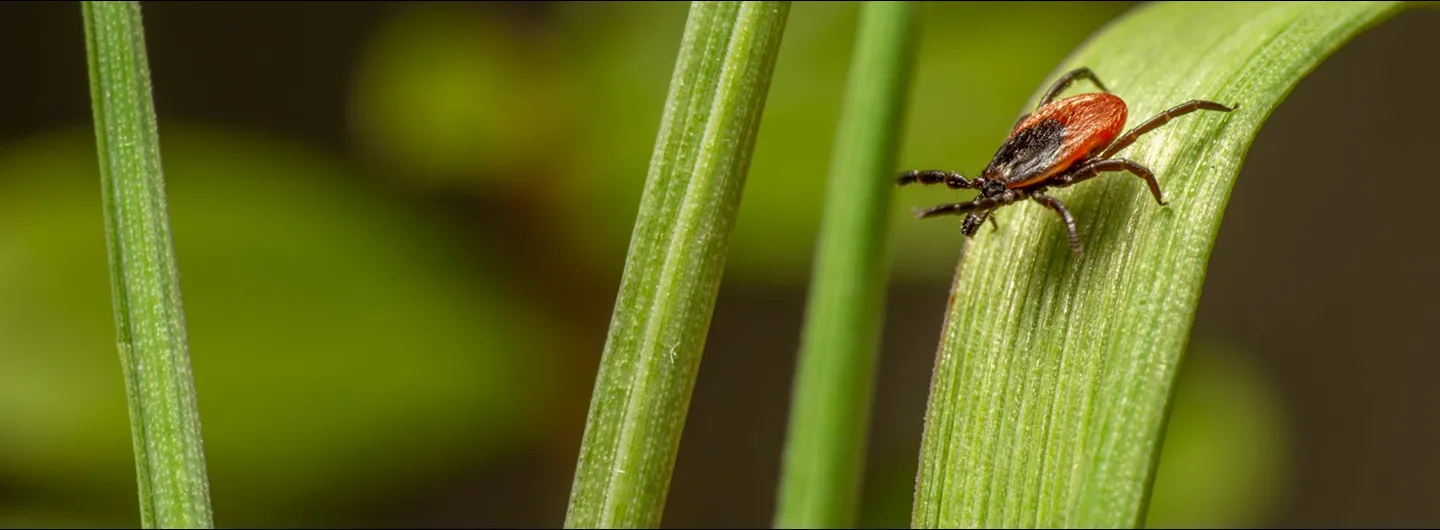
Were you bitten by a tick recently? See below for a list of tick-related diseases and their corresponding symptoms.
Alpha-gal syndrome (AGS) symptoms can range from mild to severe and typically occur 2–6 hours after eating red meat or other mammal-derived products. Mild symptoms may include hives or an itchy rash, nausea, vomiting, diarrhea, severe stomach pain, heartburn, or indigestion. In more serious cases, individuals may experience coughing, shortness of breath, difficulty breathing, dizziness, faintness, a drop in blood pressure, or swelling of the lips, tongue, throat, or eyelids. A combination of severe symptoms can lead to anaphylaxis, a potentially life-threatening allergic reaction requiring immediate medical attention.
Symptoms set in within 1-2 weeks of being bitten by a tick and can include fever/chills, headaches, nausea, vomiting, diarrhea, loss of appetite, and muscle aches. If symptoms are ignored and treatment is not sought out, more severe complications include respiratory failure, bleeding, organ failure, and death.


Ticks that transmit this disease:
Western Blacklegged Tick, Brown Dog Tick, Asian Longhorned Tick, Blacklegged Tick
Most people show no symptoms with Babesiosis, but others may experience fever, chills, headaches, body aches, sweats, nausea, loss of appetite, and/or fatigue. However, Babesiosis can lead to hemolytic anemia.
Bovine theileriosis is a tick‑borne illness in cattle that causes a variety of physical symptoms. Affected animals often develop weakness, fever, reduced appetite, reluctance to walk, and difficulty breathing. Many also show a drop in milk production, foamy nasal discharge, or, if pregnant, may experience abortion. As the disease advances, it commonly leads to anemia, which can make the gums and eye membranes appear pale or yellow and cause increased lethargy.
Canine ehrlichiosis mainly affects dogs and often causes fever, lethargy, reduced appetite, and weakness in the early stages. Infected dogs may show bleeding issues such as nosebleeds or small pinpoint bruising, as well as swollen lymph nodes, lameness, or muscle and joint pain. More severe cases can involve respiratory distress, weight loss, neurological signs, pale gums, and prolonged bleeding due to anemia and low platelet counts.
Most individuals will experience mild symptoms such as fever, chills, body aches and headaches. In some cases, fatigue and tiredness can last for weeks.
Individuals who contract Ehrlichiosis often experience early symptoms such as fever, chills, headaches, muscle aches, nausea, vomiting, diarrhea, confusion, and, in some children, a rash. If treatment with antibiotics is delayed, the illness can become much more serious. In advanced stages, Ehrlichiosis may lead to complications affecting the brain and nervous system, including inflammation of the brain and surrounding tissues (meningoencephalitis). Severe cases can also involve respiratory failure, uncontrolled bleeding, organ damage, and, in rare instances, can be fatal.
Heartland virus infection typically causes fatigue, loss of appetite, nausea, diarrhea, fever and muscle pain.

Ticks that transmit this disease:
Western Blacklegged Tick, Blacklegged Tick, Asian Longhorned Tick
Lyme disease symptoms can appear anywhere from a few days to months after a tick bite. Early signs often include fever, chills, headache, fatigue, muscle and joint aches, and swollen lymph nodes, with many patients also developing an expanding erythema migrans (EM) rash—present in most cases—which may reach over 12 inches wide and sometimes forms a bull’s-eye pattern. As the infection progresses, people may experience additional EM rashes, severe headaches, neck stiffness, facial palsy, arthritis in large joints (especially the knees), intermittent muscle and bone pain, heart palpitations or irregular heartbeat, dizziness, shortness of breath, nerve pain, numbness, tingling, or inflammation of the brain and spinal cord.
Symptoms include headache, fever, weakness, and vomiting. Older adults, children, and/or individuals with a weakened immune system may experience more severe symptoms such as difficulty speaking, confusion, balance problems, and seizures.
Symptoms may include headache, muscle aches, fatigue, and fever. The most common and first sign of Rickettsioses is a dark scab at the site of the bite, known as an eschar.
Ticks that transmit this disease:
American Dog Tick, Brown Dog Tick, Rocky Mountain Wood Tick
Common symptoms include headache, rash, and fever, but can also include nausea, loss of appetite, stomachaches, and muscle pain. Rashes appear 2-4 days after the fever begins and can have a splotchy red or pinpoint dot-like appearance.
Ticks that transmit this disease:
Lone Star Tick
Symptoms may include headache, muscle aches, fatigue, and fever. The most common sign is the STARI rash, which typically appears about seven days after the tick bite. This rash often expands to roughly three inches in diameter and may develop a characteristic “bull’s-eye” pattern.
Symptoms include weakness, breathing difficulties and/or paralysis that spreads throughout the body slowly. Upon tick removal, these symptoms should disappear within 24 hours.
Tularemia symptoms from a tick bite can vary by form. Ulceroglandular tularemia causes a skin ulcer at the bite site along with swollen lymph nodes in the armpit or groin. Glandular tularemia also involves swollen lymph nodes but occurs without a skin ulcer. Pneumonic tularemia, the most serious form, presents with cough, chest pain, and difficulty breathing.
Test answer
Test answer
Test answer