Termites are wood-boring insects that can cause thousands of dollars in damage before most homeowners even realize they have a problem. These small and quiet invaders feed on the wooden structures that support your home, weakening floors, walls, and foundations. At Mosquito Squad® Plus, we don’t just get rid of termites, we help you protect your home long-term with proven treatments and proactive prevention strategies.
Why Prevention Matters
When threatened, kamikaze termites (Neocapritermes taracua) express specialized glands to create an explosive reaction. This self-sacrifice results in a toxic substance that deters predators from their colony. 💥
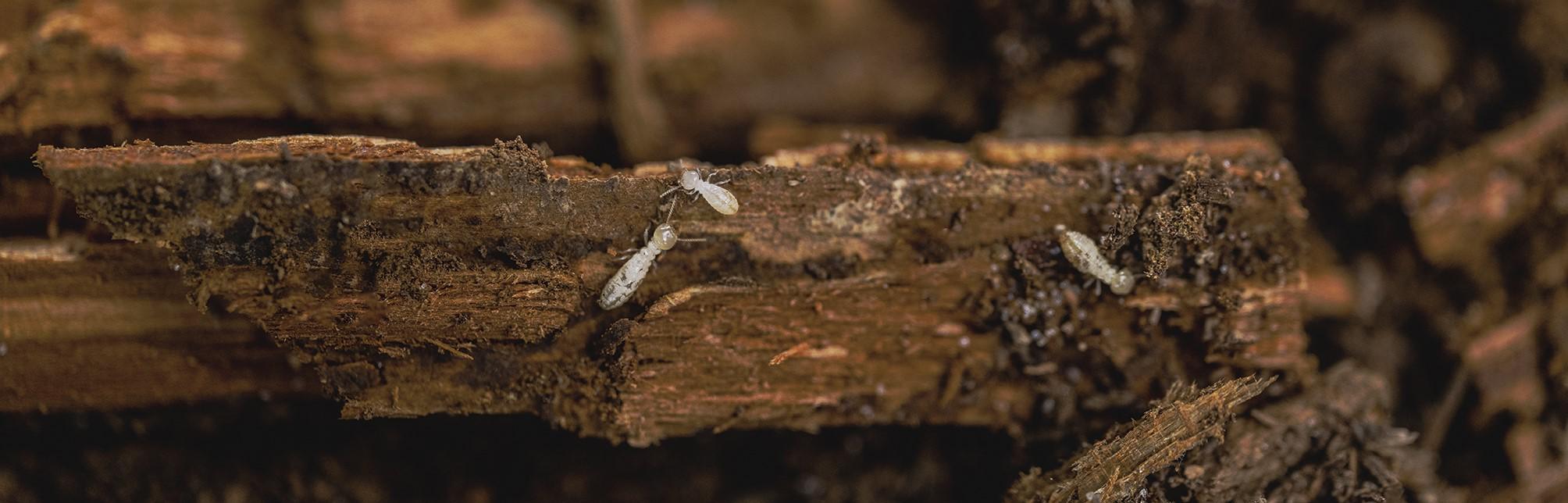
Termites are small, soft-bodied insects that live in large colonies. They are usually between ¼ and ½ inch long and worker (non-reproductive termites) are lightly colored, ranging from white to light brown. While most do not have wings, reproductive flying termites, called termite swarmers, have wings. Termites with wings are darker in color and have two pairs of wings, which they use during mating season to find mates and start new colonies.
Termites thrive in warm, humid environments and build their nests either underground or in wood, including inside building walls, furniture, and other structures! Termites feed on cellulose found in wood, paper, and plant cell walls. Moisture makes these food sources softer and easier to chew through. Most termites also require high levels of moisture to survive and can quickly dehydrate and die in dry environments. Moisture-prone areas like basements and crawl spaces, along with mulch and decaying wood, are especially vulnerable to termite infestations.
Subterranean termites are one of the most common types of termites. They live underground in soil and in other moist environments and then build mud tubes to access above-ground food sources. Because subterranean termite colonies live underground and are less confined by space, their colonies can grow to have over two million termites. Having a subterranean termite colony on your property can quickly lead to significant damage if left unmanaged.
Unlike most types of termites, drywood termites live directly inside dried-out wood structures. They do not require high moisture levels and are more common in warmer, coastal regions. Because drywood termites create their nests inside wood, they typically have less space to create massive colonies and there are usually around 2,000 to 5,000 termites in a colony.
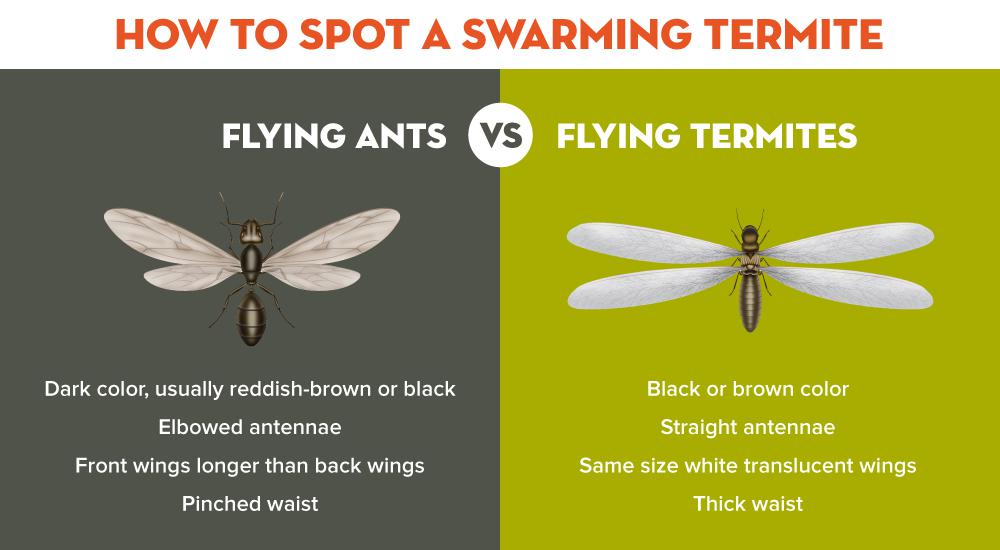
Due to their similar size and body shape, termites are often confused for ants. Some key distinctions are their coloring and shape; termites are lighter and have a more rectangular shape.
Use this chart to help identify distinctions between ants vs. termites:
| Termites | Ants | |
| Shape and waist | Straight, broad, or rectangular body without a defined waist | Clearly segmented body with a pinched and narrow waist |
| Antennae | Straight or slightly curved | Bent or "elbowed" |
| Wings (on reproductive ants and termites) | Two pairs of wings that are all equal length and longer than their body | Two pairs of wings that are unequal sizes and shorter |
| Color | White or light brown (workers), dark (swarmers) | Black, brown, or reddish-brown |
If you are not fully satisfied with your service, contact your Mosquito Squad office and we will make it right!
Our Guarantee
Most protection
Targets: Mosquitoes, ants, roaches, ticks, spiders, fleas, and 40+ other pests – both indoors and outdoors
Service Duration: 12 months
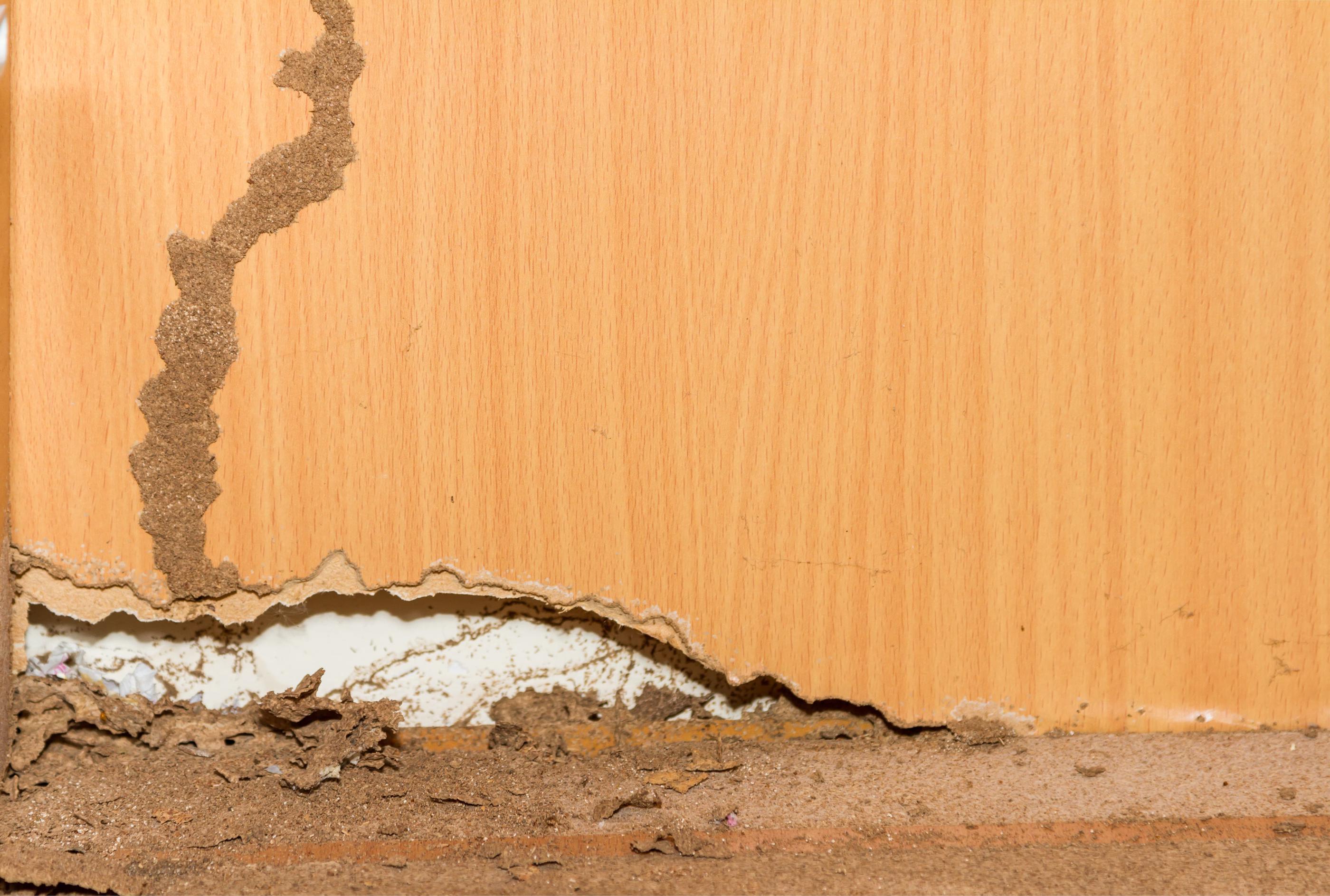
Because they often work hidden within walls or under flooring, termite infestations can go unnoticed for years, making regular inspections and moisture control key to termite prevention. If you suspect termites, look for these common signs of damage:
 If you notice termite signs, professional intervention is the most effective solution, especially for large infestations. To help mitigate damage before your scheduled professional termite control service, house termite management methods may include placing a dehumidifier in damp spaces or applying boric acid to mud tubes.
When you contact your local Squad for professional termite treatment, you’ll get:
Discreet termite control services from Mosquito Squad® Plus help manage existing termites, but this termite system isn’t just for active treatment. Our targeted treatments can also help prevent termites from returning or moving into your home in the first place, so you can reclaim and protect your space with ease! Professional termite systems are easily installed and maintained through recurring visits.
Taking preventative steps to avoid pest damage is the best way to protect your home and property. Deter termites from making a home in your space with these termite prevention methods:
Don’t let termites infest your space and damage your home! For effective termite pest control, Mosquito Squad® Plus is the best local termite control solution.
Call us today at (877) 332-2239 or request a free quote online.
Termite mud tubes are narrow, tunnel-like structures made from soil, wood particles, and termite saliva. They are protective passageways that allow subterranean termites to travel safely between their underground nests and food sources, such as wooden beams or flooring. These tubes help termites maintain the moist environment they need to survive. Mud tubes can often be found along foundation walls, crawl spaces, or concrete slabs, where they appear as thin brown or tan lines about the width of a pencil.
Queen termites are long, pale, and swollen, often resembling a creamy white or translucent brownish tube due to their enlarged abdomen, which is filled with termite eggs. While their head and legs are small, their abdomen can grow several inches long as they mature (some types of termite queens can grow up to 6 inches long!). The termite queen spends her life inside the nest where she lives for many years and lays up to 30,000 eggs each day.
Termites do not typically bite humans. Their jaws are designed for chewing wood and plant material, not skin. While termites can technically bite in defense, termite bites aren’t harmful or venomous. If you find termites in your home, any irritation or marks on your skin are likely caused by another insect that is equally attracted to undisturbed, moist spaces. The real concern with termites is the structural damage they cause to wood.
Yes, termites make noise, but the noise is usually faint and hard to hear. When disturbed or working inside wood, termites can produce a soft clicking or tapping sound. Soldier termites in charge of protecting a colony bang their heads against tunnels or shake their bodies to warn the colony of danger. You might also hear a rustling noise as worker termites chew through wood or move within walls. These sounds are most noticeable in quiet areas or when infestations are very large.
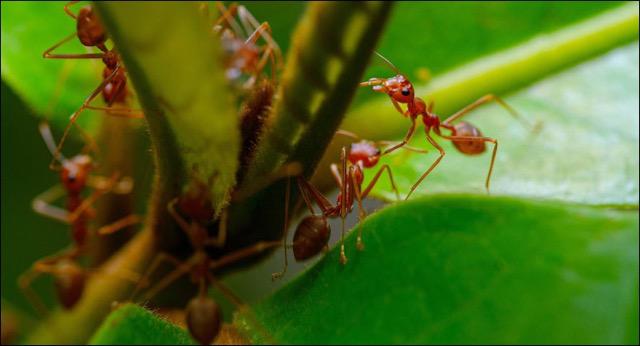
Though most ants aren’t dangerous, fire ants can be a serious nuisance and danger to you and your pets. Mosquito Squad is here to protect you from invasion, but you can also follow some simple steps to help keep the ants at bay as a precaution.
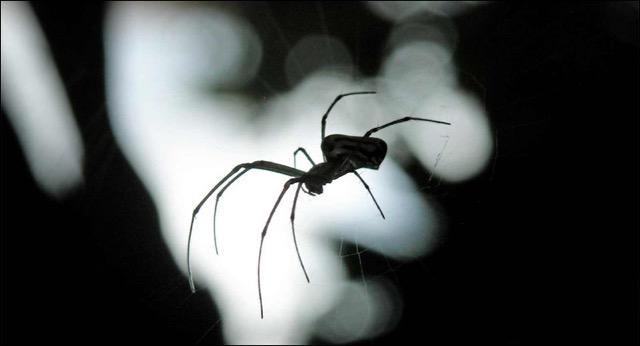
Learn About Fire AntsIt's essential to seal potential entry points and reduce clutter where spiders might hide in your home in order to keep them from invading. Maintaining a clean environment and managing outdoor vegetation can also help deter them from approaching your living spaces.
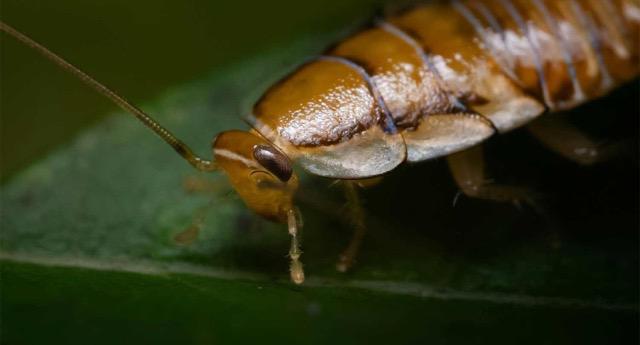
Learn About SpidersTo prevent cockroaches from entering your home, ensure that all potential entry points are sealed and maintain a clean environment to eliminate food sources. Regularly inspect and address any plumbing leaks or standing water, as these can attract pests.
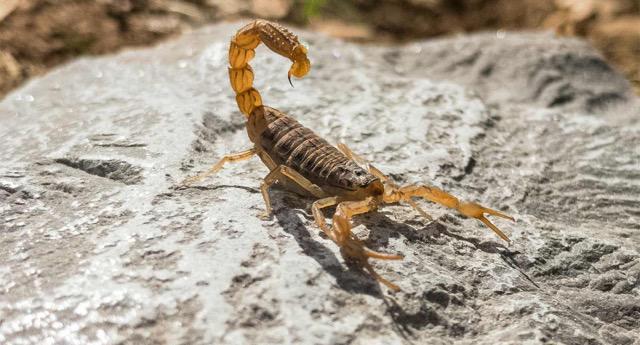
Learn About CockroachesTo protect your home from scorpions, ensure that potential entry points are sealed and maintain a tidy outdoor environment. Regularly remove debris and keep vegetation trimmed to reduce their hiding spots and discourage them from approaching your home.
Learn About Scorpions"Marcus and Maliek came to do my yard today and did such an amazing and thorough job! Both were very hard working and awesome to work with! :)"
"I happen to be home when the two gentlemen arrived at my house. They were personable, professional, and explain what they would be doing on the visit."
"Scottie and David did excellent, and i will be recommending yall in the future!"
"Highly recommend Mosquito squad. They service my yard every 3 weeks and we’re now able to enjoy our back patio year round. Marcus and Maleik checked in to see if I had any areas that needed extra attention and did a thorough job 👏👏"
"Marcus and Maliek did great work on my property! Very communicative ahead of time as well"
"Mosquito Squad staff are always so friendly and do such a thorough job. Owen was here today and taught me things I didn’t know about the company. He was super helpful and so kind."
"Did great and very friendly! Thank you!"
"This has been our first season of using Mosquito Squad of North Central Minnesota. We have ben very pleased with the service, application, communication and working with office personnel to affirm billing and payment information. The service is effective in keeping us free from mosquitos and the reassurance of prevention of ticks has been so helpful. We will definitely be signing up for this service in years to come."
"We were home with Tavarez arrived and he asked if we needed anything. I mentioned the flies being so bad because of the heat and he immediately said he’d make sure to add something else to help with that. He was very friendly and helpful. Great job!"
"They were on time super efficient neat clean, and we are now bug free"