
What Smells do Mice Hate – Natural Repellents that Work
Posted by Emma Grace Crumbley, Entomologist
February 4, 2026
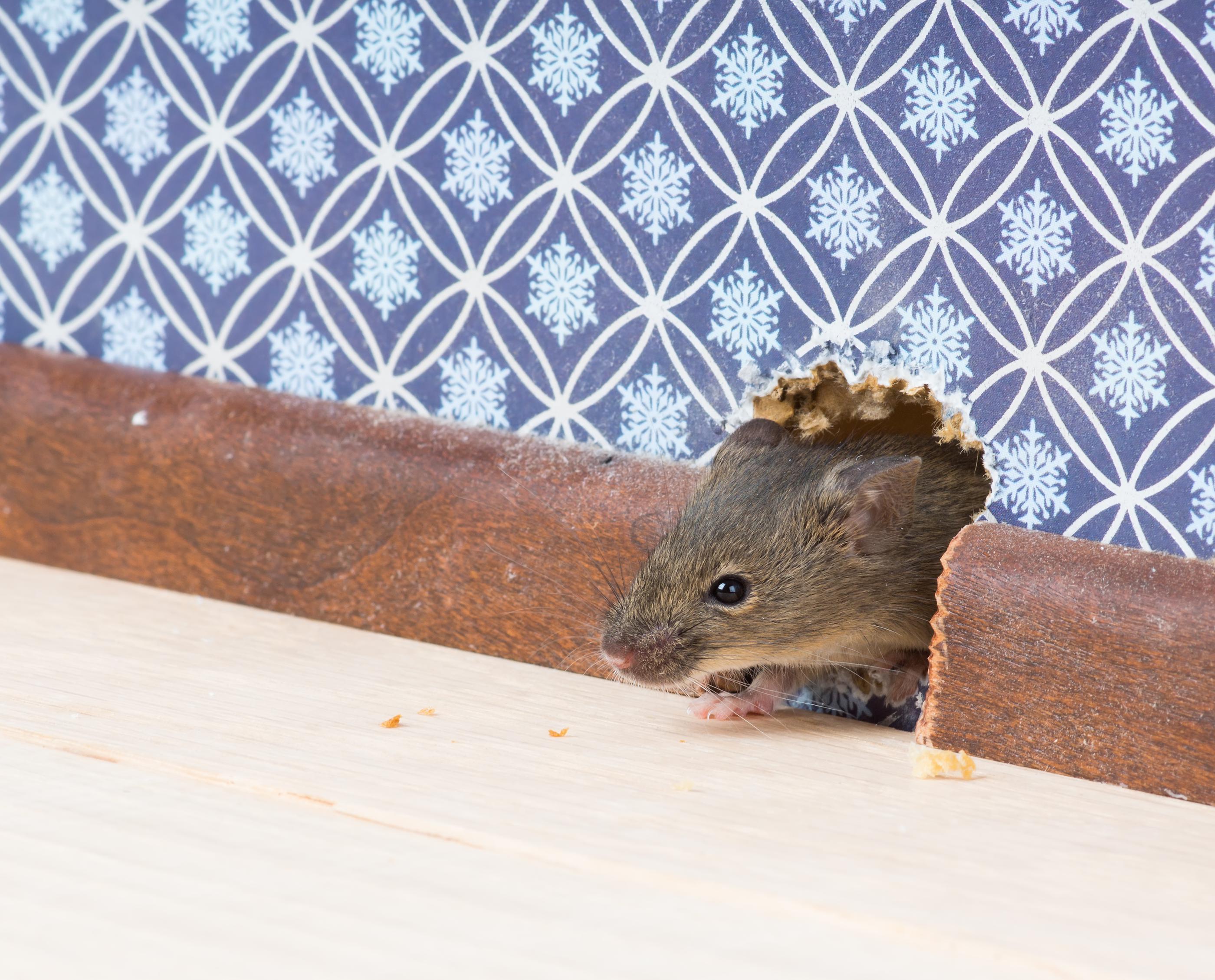
If you read our latest blog on pest misconceptions, you learned that, unlike the cartoons, mice don't actually love cheese. While they'll eat cheese if it’s available, they mostly prefer carbohydrate-rich foods such as grains, seeds, crackers, and cereals. Mice can track down food sources and find entry points into our homes thanks to their exceptional sense of smell. And unlike rats, mice are not neophobic – they are highly curious and motivated by exploration, foraging, and survival.
When looking for a natural repellent to try against mice, a few scents have a track record of repelling them. However, these natural agents really only provide short-term solutions to mouse problems, and each one has its own drawback:
Ammonia – is regularly cited as a mouse deterrent. To us, ammonia might smell like rotting fish, but to mice, ammonia closely resembles the smell of predators (specifically their urine). Some people leave out a small dish of ammonia near mouse entry points.
Pros: Cheap, easy to apply, strong odor.
Cons: Highly toxic to children and pets, requires reapplications, makes your home smell…
Cayenne Pepper and Garlic – Some sources suggest making sachets of spicy herbs, such as cayenne pepper and garlic, to deter mice. These herbs have especially strong odors that interfere with and overwhelm a mouse's sense of smell.
Pros: Cheap, easy to apply, more pleasant aroma than ammonia
Cons: Requires frequent reapplication, as herbs can lose potency within 24-72 hours.
Peppermint Oil – This is probably the frontrunner of our natural repellent list. Peppermint oil is cited in many reputable sources for its repellent nature against a variety of pests, including insects and rodents. The overwhelming odor of peppermint is irritating to mice, and daily applications at high concentrations yield the best repellency.
Pros: Easy to apply, proven effectiveness from reliable sources
Cons: Requires frequent reapplication and can be a skin, nose, and eye irritant when used at high concentrations.
Predators – As crazy as it sounds, having cats and birds around actually does affect whether mice will want to explore your home and yard. Natural predators release scents like hormones, skin odors, and proteins secreted in saliva, urine, and sweat that can linger and repel nearby mice.
Pros: Hands-free solution if you have indoor cats or natural predators in your yard.
Cons: Not effective for people with cat allergies or in densely urban areas with less predator activity.
Vinegar – has a strong, sharp smell that can repel mice and other insect pests. Some people leave rags soaked in vinegar near entry points, while others spray vinegar-water mixtures along baseboards and kitchen cabinets.
Pros: Cheap, easy to apply, and fairly odorless to us.
Cons: Requires regular reapplications as vinegar evaporates quickly.
Natural scents and repellents can work for short-term strategies. However, for long-term mouse control and prevention, focus on finding and sealing the entry points mice are using to get inside and increasing sanitation in kitchens and trash areas. Making small changes, like keeping a clean kitchen and removing gaps around doors, can have a huge impact on any rodent problems you may be dealing with.
Mosquito Squad Plus Rodent Control
Rodents multiply quickly, spread diseases, and damage structures and belongings. Don't let mice and rats turn your home into theirs. Mosquito Squad Plus offers a comprehensive rodent control service that helps manage existing infestations and prevent future problems. Call today to schedule your next service and receive a free quote! Services vary by location.