
How to Identify a Mouse Infestation – Spot the Signs Early
Posted by Emma Grace Crumbley, Entomologist
December 3, 2025
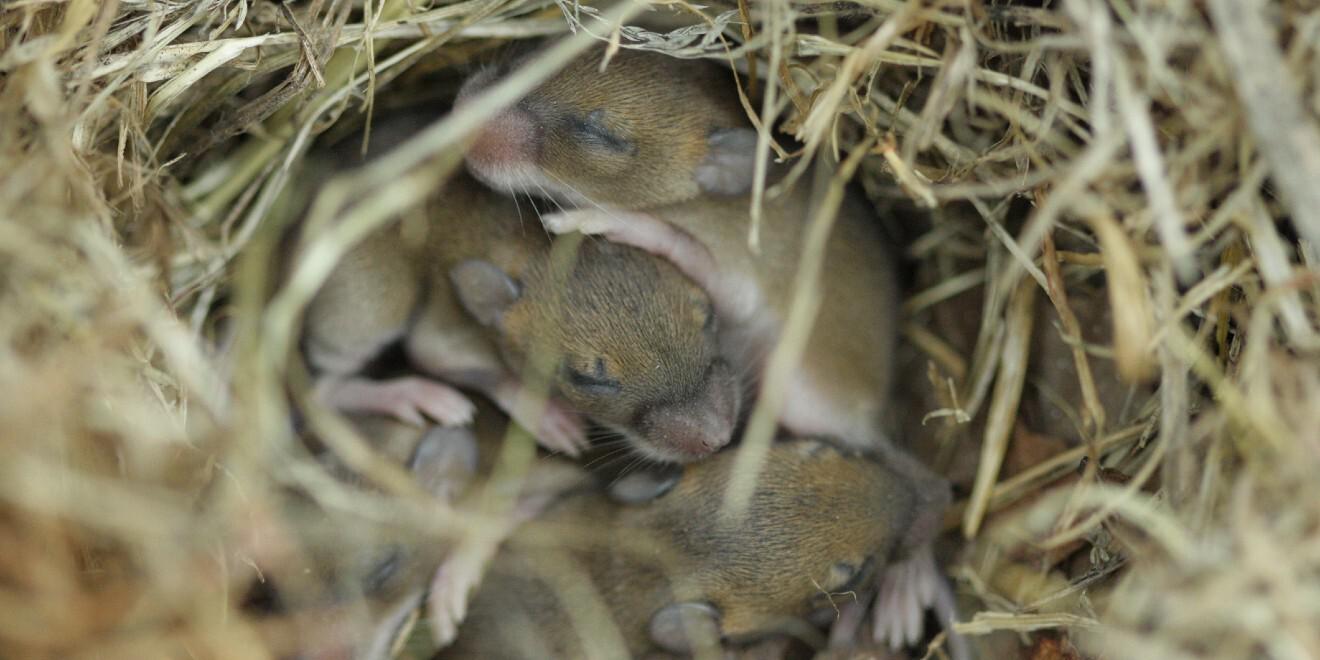
While we love to visit the mouse at Disneyland, it isn't so fun when the mouse visits us. Mouse infestations are annoying and can lead to serious health and sanitation concerns. Spot an infestation early to prevent these pests from taking over your home!
Know The Pest: The House Mouse
The house mouse (Mus musculus) is aptly named for its affinity to infest houses. Of the three commensal rodents, mice are the smallest, usually measuring about 4 to 6 inches from snout to tail with pointy snouts, large, round ears, and a long tail. Using their small bodies and determination, house mice can squeeze through gaps as small as a dime to reach areas with food, water, or shelter. This means that gaps around doors and windows, holes around utility penetrations, and cracks in your home's foundation can all provide entry ways for mice to get inside.
Though mice are good climbers, house mice tend to infest lower levels of the home. Their priority is to find food, which is usually found in kitchen and dining room areas, and nesting material, which can come from paper, fibers, and plant material in recycling bins or trash cans. In severe infestations, mice may make themselves at home throughout the house. But for small infestations, one or two mice in the home, they are likely sticking to the main level of the house.
Signs of an Infestation
Mice leave many signs behind to let you know they're there.
- Gnawing – Mice chew at things to make existing holes bigger or get into a food source. If you see gnaw marks on trash cans, food packaging, or wires, it’s a sign.
- Noises – Mice are noisy. Scurrying, scratching, and squeaking sounds in the house are common signs of mice moving about as they forage.
- Droppings – You can tell a lot about a rodent from its droppings. As mice are the smallest commensal rodent, their droppings are also small, resembling brown or black rice.
- Grease Marks – Rodents have greasy bodies, and when they run along walls and baseboards, their grease rubs off, leaving a stain.
- Nesting Material – Other than food, mice hunt for nesting materials. If you notice paper debris, packing materials, or fabric scraps strewn about the house, it may be a sign of a mouse problem.
Preventing the Pest
The most important way to keep a mouse infestation at bay is to keep mice out in the first place. Inspecting your home for cracks and gaps, and sealing any unwanted entry points, can go a long way toward mouse (and general pest) management. If inspecting your home feels overwhelming, I recommend starting with doors and windows. Check that the doors in your home (front door, porch doors, garage doors) and windows (including crawl space vents and attic windows) create a complete seal when closed. Then move outside and inspect the hookups for HVAC, plumbing, and electrical. If there are significant gaps around the holes these utility lines pass through, rodents can get inside.
Other actions you can take to prevent mice include removing nesting material from around the home and sealing any exposed food sources. Mice can make nests in woodpiles, leaf piles, and unused appliances like old grills or flipped wheelbarrows. Moving these items away from the house creates distance between these potential nesting areas where mice may be coming from and your home. Sealing exposed food sources also helps reduce mouse infestations. Mice can feed on human food stored in pantries and kitchens, but they can also eat dog food, bird feed, and garbage. Keeping food items in tightly sealed, rigid plastic or glass containers drastically reduces a mouse's ability to get into them, discouraging the mouse from foraging in and around your home.
Mosquito Squad Plus Rodent Control
Rodents multiply quickly, spread diseases, and damage structures and belongings. Don't let mice and rats turn your home into theirs. Mosquito Squad Plus offers a comprehensive rodent control service that helps manage existing infestations and prevent future problems. When you work with Mosquito Squad, our trained technicians will thoroughly inspect your property to identify evidence of rodent activity near the foundation of your home and potential entry points. Then we’ll develop a customized plan to address a current rodent problem and prevent a future one.
Enjoy peace of mind knowing your home is protected from rodents and the damage they can cause. Services vary by location.