
What Are Daddy Long Legs?
Posted by Mosquito Squad
December 1, 2025
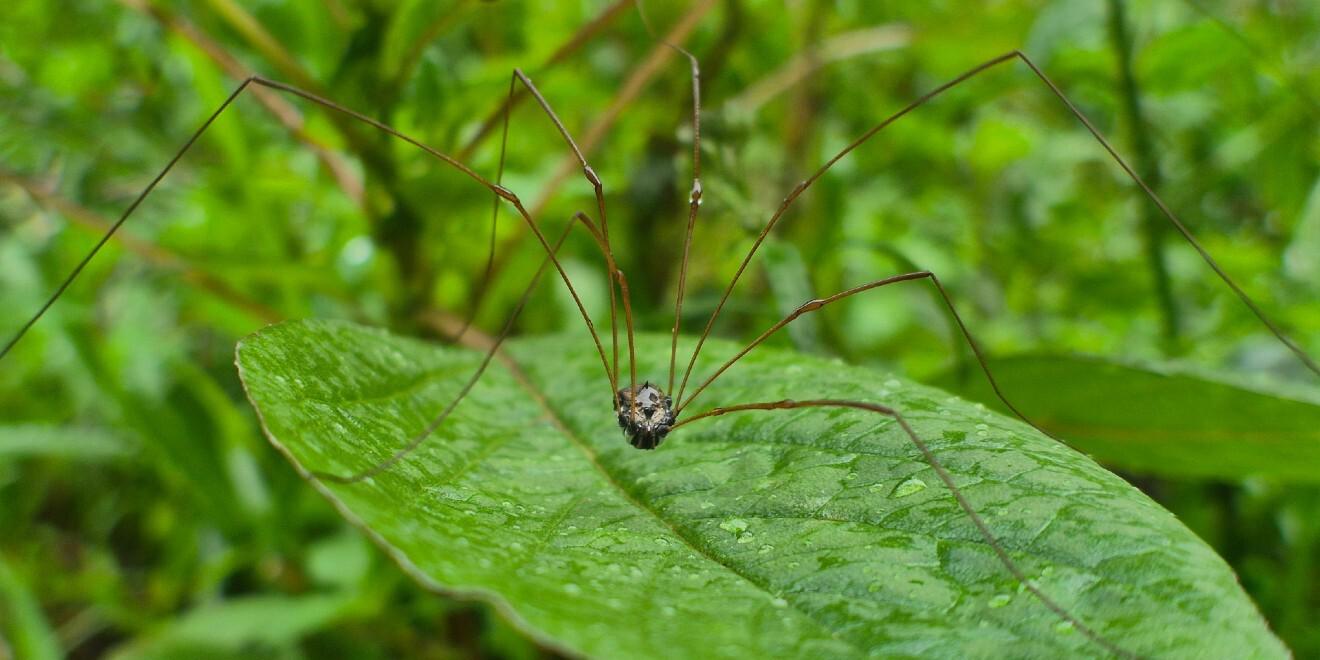
When you see long-legged, spider-like creatures in dark corners, you probably call them “daddy long legs spiders.” But what really are these pests? Many people think they are spiders with extra-long legs, but that’s only sometimes true. “Daddy long legs” is a blanket term for a few different bugs, most often harvestmen and cellar spiders. Get to know these common types of daddy long legs, and learn why harvestmen aren’t spiders at all!
Are Harvestmen Spiders?
Harvestmen (of the order Opiliones) are arachnids, but they aren’t spiders. Like spiders, they have eight legs and no antennae or wings. Unlike spiders, harvestmen have a single, fused body segment instead of two distinct parts, and they lack silk glands and venom. Instead of spinning webs and primarily hunting prey, harvestmen scavenge for food and rely on their long legs and camouflage for protection. Despite their spooky looks, these daddy long leg arachnids are helpful around your home and garden. Harvestmen are opportunistic omnivores, meaning they’ll eat almost anything they can find. They eat small insects, decaying plant matter and fungi. Because they scavenge as much as they hunt, harvestmen play an important role in cleaning up organic waste.
While harvestmen aren’t spiders, they are commonly confused for cellar spiders, an arachnid with equally long legs in proportion to a small body.
What Are Cellar Spiders?
Cellar spiders are found in dark, damp areas such as basements, garages, and crawl spaces. These daddy long leg spiders are known for their delicate, spindly legs and small bodies. They build loose, messy webs where they capture petite insects and other spiders.
Cellar Spiders vs. Harvestmen
Comparing cellar spiders and harvestmen can help you determine the type of arachnid you have in your home, and what to do about it.
- Body shape: Cellar spiders have thin bodies with a distinct separation between the head and abdomen. Harvestmen have one continuous body. Because harvestmen spend their lives on the ground, they’ve adapted to have thicker bodies that keep them more durable.
- Webs: Cellar spiders build messy webs in dark corners or basements. Harvestmen don’t spin webs at all and wander freely.
- Movement: Cellar spiders hang upside down and move delicately. Harvestmen scurry along the ground and use their long legs to navigate and sense vibrations.
- Eyes: Cellar spiders have eight eyes, and harvestmen only have two.
- Habitat: Cellar spiders are commonly found indoors in dark and undisturbed areas. While harvestmen are sometimes seen indoors, they tend to stay outside where they have more scavenging opportunities.
Are you interested in learning about more long-legged insects? Meet the crane fly, a gentle giant!
Are Daddy Long Legs Poisonous?
A popular myth claims that daddy long legs are highly poisonous, but this is false. Daddy long legs (all types) are not dangerous to humans. Harvestmen do not have venom glands and are harmless to people. While a cellar spider bite is possible, cellar spiders have very weak venom, and their fangs are typically too small to penetrate human skin.
Although cellar spiders don’t pose a direct threat, if left unmanaged, they can quickly become a nuisance as they abandon old webs and spin new ones; the old webs collect dust and debris. Keep reading for tips to discourage cellar spiders from settling in the same spots.
How to Get Rid of Daddy Long Legs
While harvestmen and cellar spiders aren’t dangerous, no one wants creepy crawlies lurking throughout their home and yard! If you’re finding daddy long legs around your home, the best approach is prevention and targeted removal. Harvestmen and cellar spiders both appear when food sources, like small insects, are around, and their presence can signal a larger pest issue. Key steps to keeping them away are regularly cleaning, sealing cracks, and controlling moisture.
One of the best ways to control daddy long legs – and the pests that attract them – is a Complete Home & Yard treatment from Mosquito Squad® Plus. Our technicians target areas in your yard where pests are likely to hide, thrive, and sneak into your home. Treatments help to kill pests on contact and continue to deter them for up to 21 days after treatment.
Specific Tips: How to Get Rid of Cellar Spiders
Cellar spiders thrive in dark, quiet, and damp areas such as basements, attics, and crawl spaces. To get rid of them, start by removing their webs with a vacuum or duster. Pay close attention to corners and ceilings. Reduce clutter to limit hiding spots, and use a dehumidifier to make the space less inviting. Sealing entry points around windows, vents, and foundation cracks also helps prevent new spiders from entering. If infestations persist, try using sticky traps in problem areas.
Specific Tips: How to Get Rid of Harvestmen
Harvestmen are typically found outdoors but can wander inside through open doors or gaps in the building envelope. Since they don’t build webs, the best way to control them is through habitat management. Keep outdoor lights off when not needed, as lights attract insects that harvestmen feed on. Clear leaf litter and debris near your home’s foundation, and trim vegetation touching exterior walls. Seal potential entry points. Indoors, maintain dry and clean spaces free of food crumbs, dirt, and other small insects to make your home less appealing to these arachnids.
If you spot harvestmen inside, catching and releasing them outside or vacuuming them up is usually a sufficient control measure. Harvestmen won’t try to hide and breed in your home; they usually get inside by accident in search of a quiet, moist space with things to feed on. Show them out!
Take Control of Arachnids
Next time you see a daddy long leg creeping by, you’ll know what you’re looking at and the best ways to get rid of it. Whether it’s a web-spinning cellar spider or a wandering harvestman, it’s not a direct threat and helps maintain balance in nature by eating other pests and decaying matter.
An abundance of cellar spiders and harvestmen may signal a larger pest problem. Learn more about professional pest control when you contact Mosquito Squad® Plus at (877) 332-2239 or request a free, no-obligation quote online.