Mosquito-Borne Diseases to Watch in 2026
Posted by Emma Grace Crumbley, Entomologist
March 30, 2026
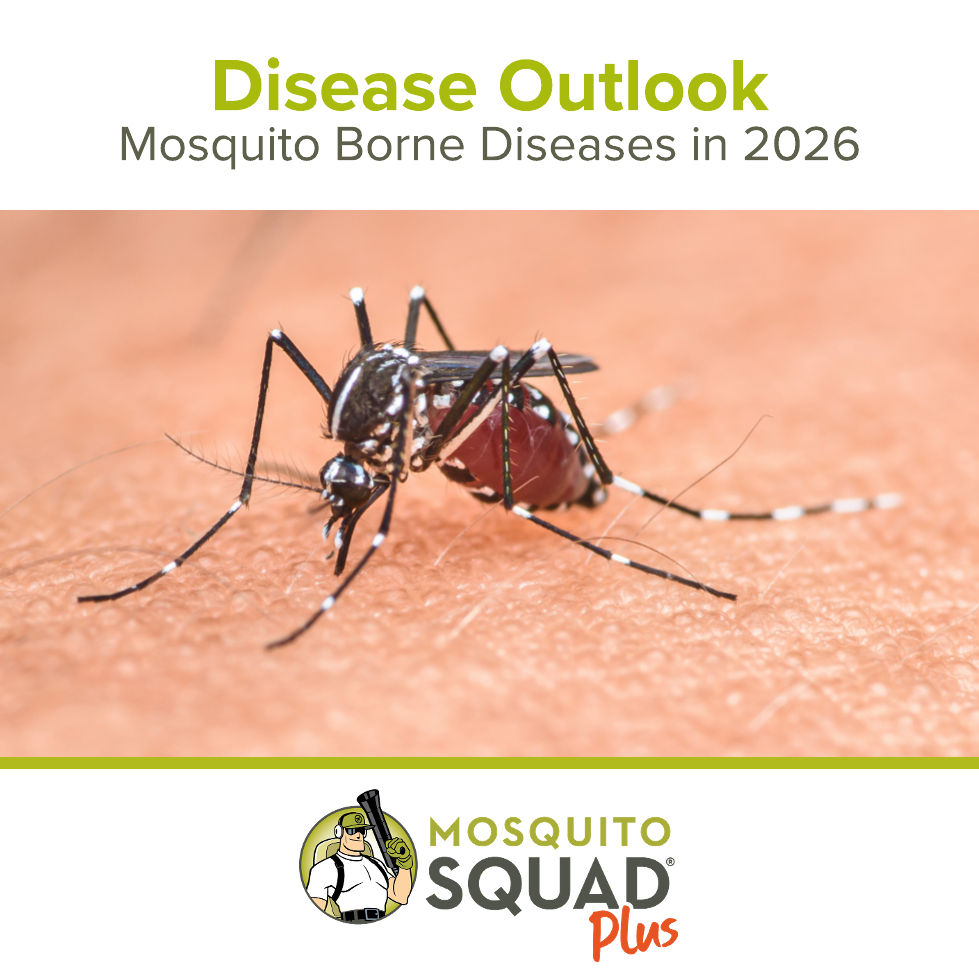
Mosquitoes aren't just annoying; they're dangerous. When a mosquito bites a host to drink its blood, sometimes it also picks up a disease to pass along to its next victim. Protozoans, bacteria, and viruses can all be spread through mosquito bites and transmitted to us when we get bitten. As you make your mosquito management plans for this year, be aware of these four mosquito-borne diseases.
West Nile Virus
West Nile Virus (WNV is the leading cause of mosquito-borne disease in the continental United States. In 2025, the United States saw a surge in WNV cases, with the CDC reporting over 2,000 cases across 47 states. As its name suggests, WNV is a virus transmitted through mosquito saliva when mosquitoes feed on different hosts. Though most people who contract WNV do not experience symptoms, roughly 20% develop flu-like symptoms, including fever, headaches, body aches, and nausea. Severe cases of WNV are rare and can lead to neurological complications, including meningitis or encephalitis.
There is no vaccine for West Nile Virus. Mosquito control is a crucial step to preventing the spread of WNV.
Dengue
Dengue (deng·gay) is a viral disease spread to humans through the bites of infected mosquitoes. Typically, dengue fever is acquired during travel to areas with high dengue transmission rates. However, warmer temperatures and increased precipitation from climate change have caused mosquito-borne diseases typically found in the tropics to begin appearing in the United States. As of the time this blog was published, the CDC has reported over 500 dengue cases across the United States in 2026. Symptoms can range from none to flu-like to severe and life-threatening, and the World Health Organization (WHO) notes that individuals infected with dengue a second time are at a greater risk of developing severe dengue with intense symptoms.
While there are vaccines available to protect against dengue, they often require multiple doses for full protection. The next best way to protect yourself from dengue is to prevent mosquitoes from taking over your yard.
Eastern Equine Encephalitis
Eastern Equine Encephalitis (EEE) is a virus transmitted by infected black-tailed mosquitoes (Culiseta melanura), which are found throughout the eastern and southeastern United States. Relative to other mosquito-borne diseases, EEE is rare to contract. However, severe EEE cases have a 30% fatality rate, and survivors of EEE have ongoing neurological problems that can greatly impact cognitive functions and quality of life. For horses that contract EEE, fatality rates are closer to 90%.
In 2024, the CDC reported a spike in EEE cases relative to years past, with 19 cases and 5 deaths occurring throughout the northeast. There is no human vaccine available for EEE, but highly effective vaccines do exist for horses. Mosquito control protects you and your horses from this dangerous disease.
Heartworm (Pets)
Mosquitoes don’t just bite us - they also target our furry friends. Heartworm disease is a serious and potentially fatal illness that affects pets that are bitten by infected mosquitoes. The heartworm itself is a parasitic worm (Dirofilaria immitis) that lives and reproduces inside the heart, lungs, and blood vessels of infected animals. When mosquitoes bite an infected animal, they pick up the “baby” version of these worms, small, microscopic worms called microfilaria. After a mosquito bites a healthy animal, the microfilaria spreads to the new host and, over the course of 6 months, grows from microscopic worms to large parasites, some measuring up to a foot long. If left untreated, heartworm disease can lead to chronic damage to an animal’s quality of life, and severe cases can lead to death.
Thankfully, heartworm is detectable through lab testing and preventable through medication prescribed by veterinarians. There is currently no vaccine for heartworm disease, but reducing the mosquito population in your yard can also greatly reduce the risk of heartworm disease spreading to your pets.
Prevention and Protection
The best way to protect yourself from any mosquito-borne illness is to prevent mosquito bites. Wearing EPA-registered bug sprays and long clothes to cover exposed skin makes it harder for mosquitoes to bite you. Avoiding high-risk areas for mosquito-borne illnesses and staying inside during peak mosquito hours (dawn and dusk) also decreases your risk of being bitten. Finally, protecting your outdoor spaces by working with a professional mosquito control company, like Mosquito Squad Plus, helps ensure your yard isn't harboring mosquitoes.